TL;DR
Framework for Evaluating IFRS 9 Regulatory Reporting Vendors
Selecting the right IFRS 9 regulatory reporting vendors is a high-stakes choice for any bank. The decision impacts your financial stability, audit readiness, and long-term compliance costs. Many institutions struggle to find a partner that balances technical depth with regulatory agility. This guide provides a rigorous framework to help you choose the best fit for your team. We focus on reporting accuracy, system integration, and future-ready update protocols.
What Are IFRS 9 Regulatory Reporting Vendors?
These specialized companies provide the technical infrastructure needed to calculate Expected Credit Loss (ECL). They offer automated tools to manage large datasets and generate complex disclosure reports. Banks remain the dominant end-user segment in this market, representing over 55% of demand in 2024 01. These vendors bridge the gap between raw financial data and final regulatory filings. Most solutions now live in the cloud to support rapid updates and global accessibility.
The global regulatory reporting and compliance market will reach USD 9.17 Billion by 2033 02. This growth shows how much institutions rely on third-party expertise for technical compliance. Vendors do more than provide software; they offer a structured path to meeting global standards. Choosing a vendor means trusting them with your most sensitive risk and finance data.
Key Criteria for Evaluating IFRS 9 Regulatory Reporting Vendors
You must start with a scoring rubric that prioritizes functional depth over flashy interfaces. The first pillar is the vendor’s ability to handle the specific nuances of your portfolio. Look for a framework that treats data as a strategic asset, not just an input. Each crit
erion should have a weight based on your unique institutional risk profile.
Regulatory Reporting Coverage and Disclosure Support
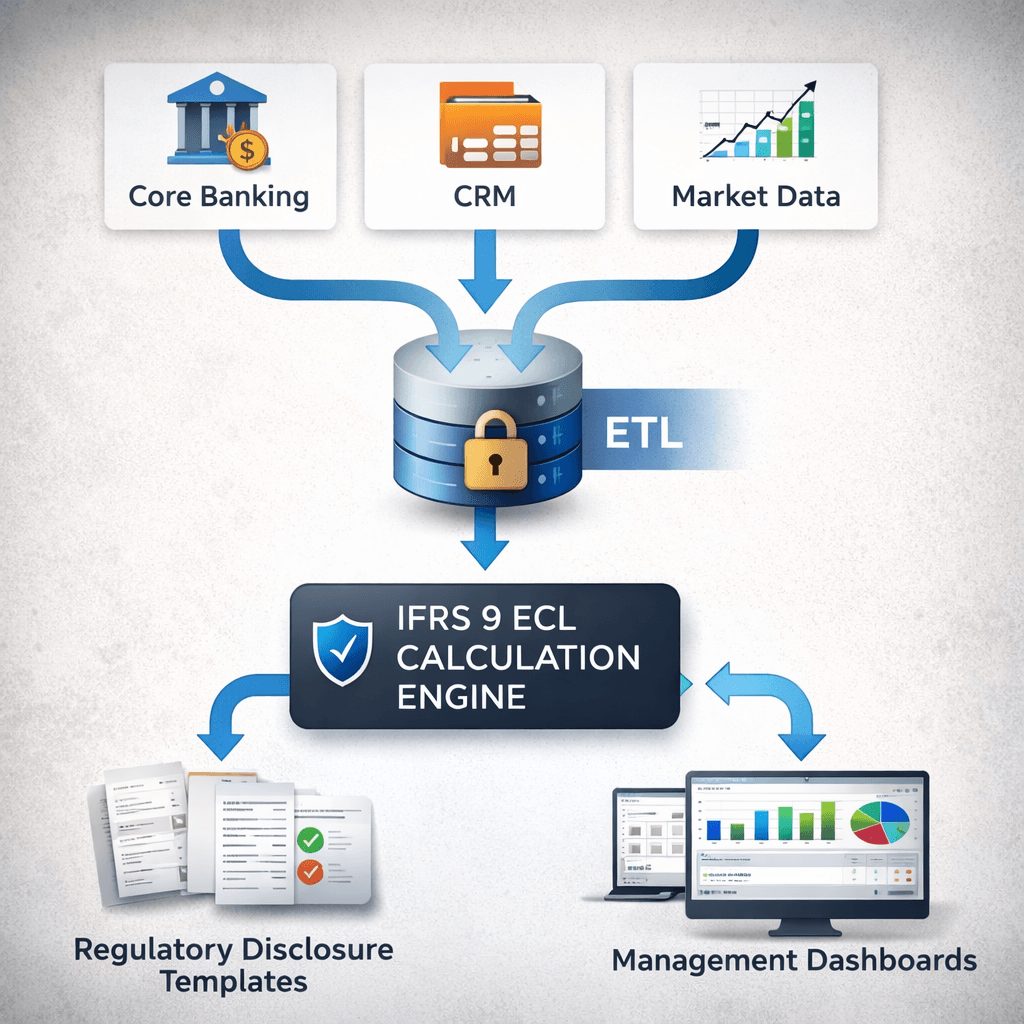
Your chosen vendor must support all mandatory IFRS 9 disclosures out of the box. This includes detailed reconciliations of the loss allowance from opening to closing balances. The system should track movements between stages and explain the reasons for those shifts. Effective ifrs 9 ecl software for banks provides automated templates for these specific requirements. Check if the tool allows for custom disclosures required by your specific local regulator.
ECL Modeling and Methodology Flexibility
A rigid model is a major risk when economic conditions change suddenly. Vendors should offer multiple modeling options like Probability of Default and Loss Given Default. You need the ability to adjust these parameters as your internal data matures over time. Flexibility ensures the software grows with your bank rather than becoming a technical bottleneck. Verify if the vendor supports both collective and individual assessments for impairment.
Data Integration and System Architecture
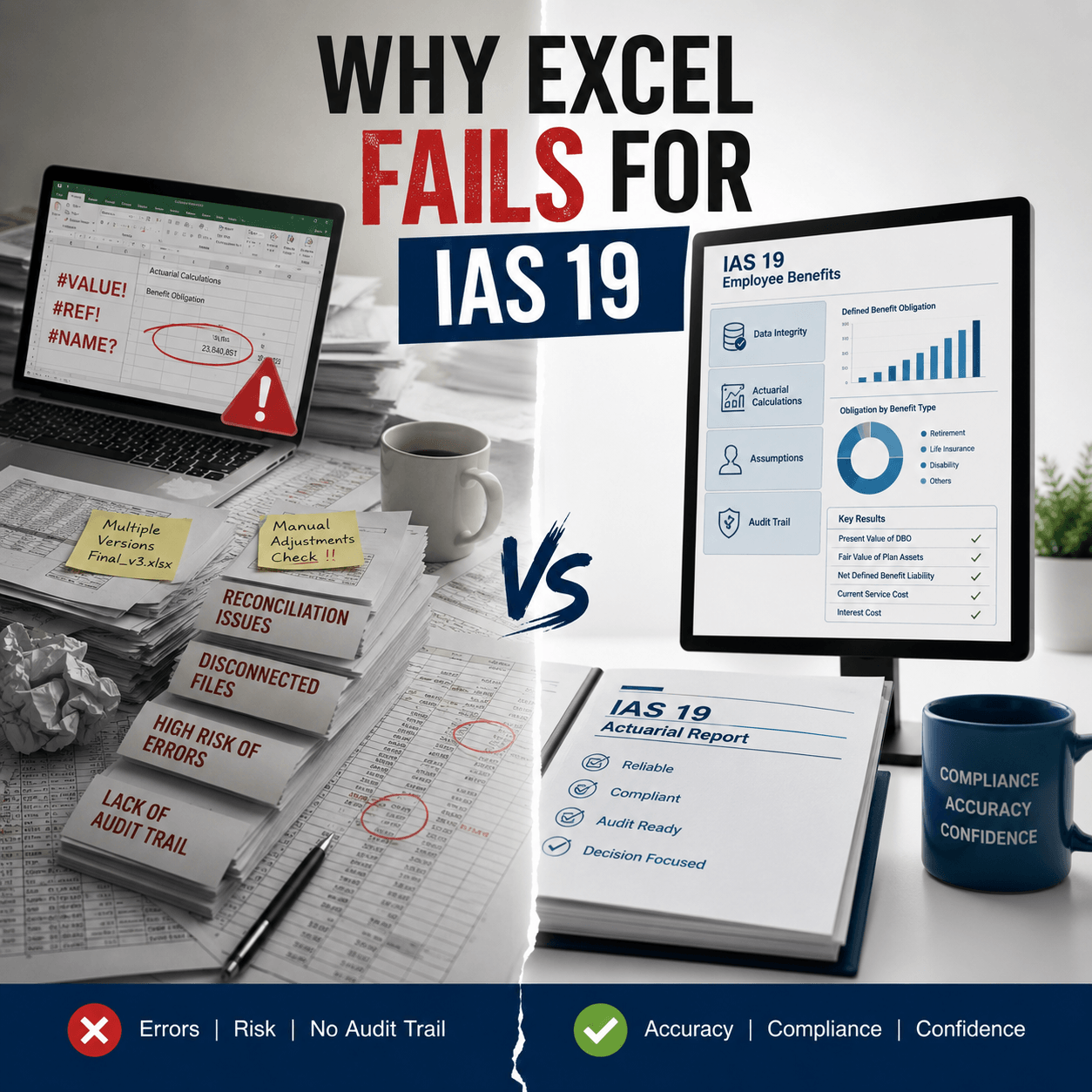
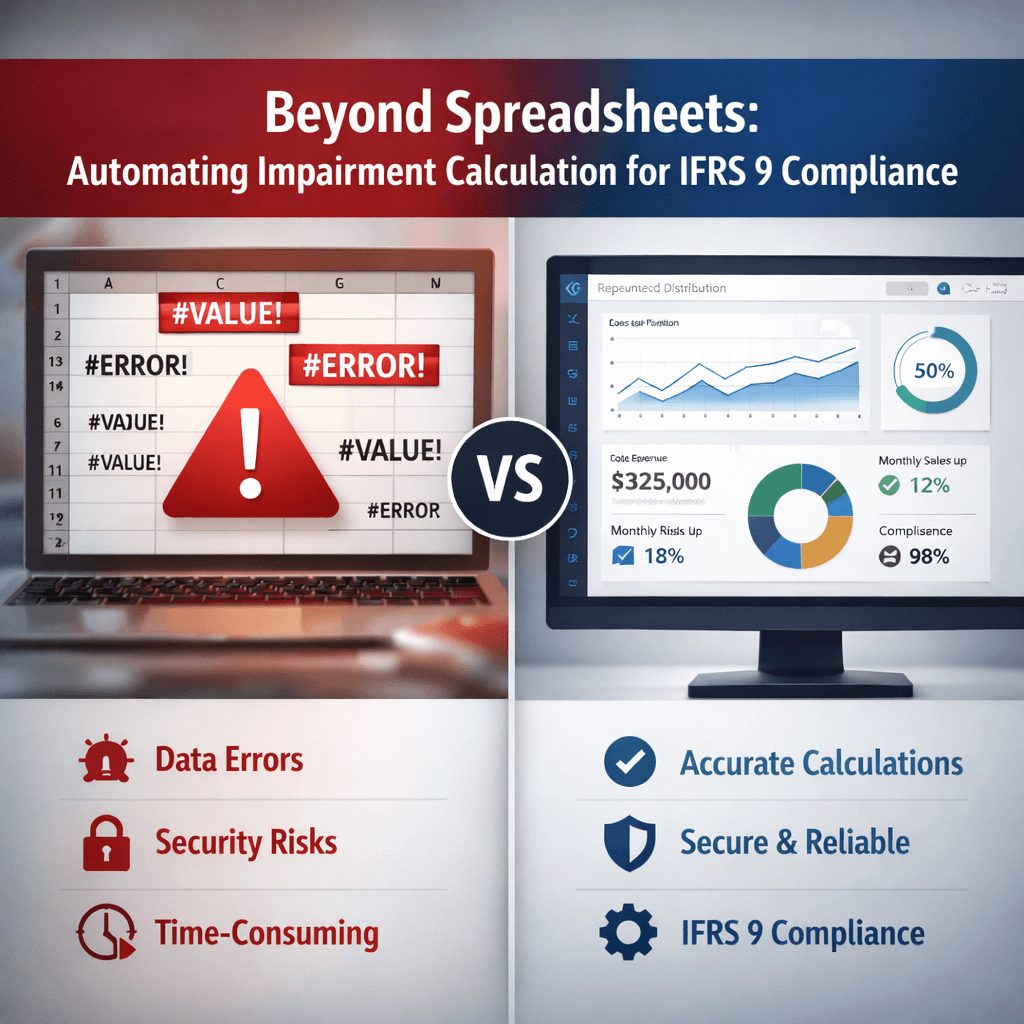
Seamless data flow between your core banking system and the ECL engine is mandatory. Manual data uploads introduce hidden audit risks in IFRS 9 spreadsheets and delay reporting. The architecture should support high-frequency data processing without crashing during peak month-end cycles. Evaluate how the vendor handles data cleaning and validation before calculations begin. Strong integration reduces the time your finance team spends on repetitive reconciliation tasks.
Model Governance, Validation, and Audit Controls
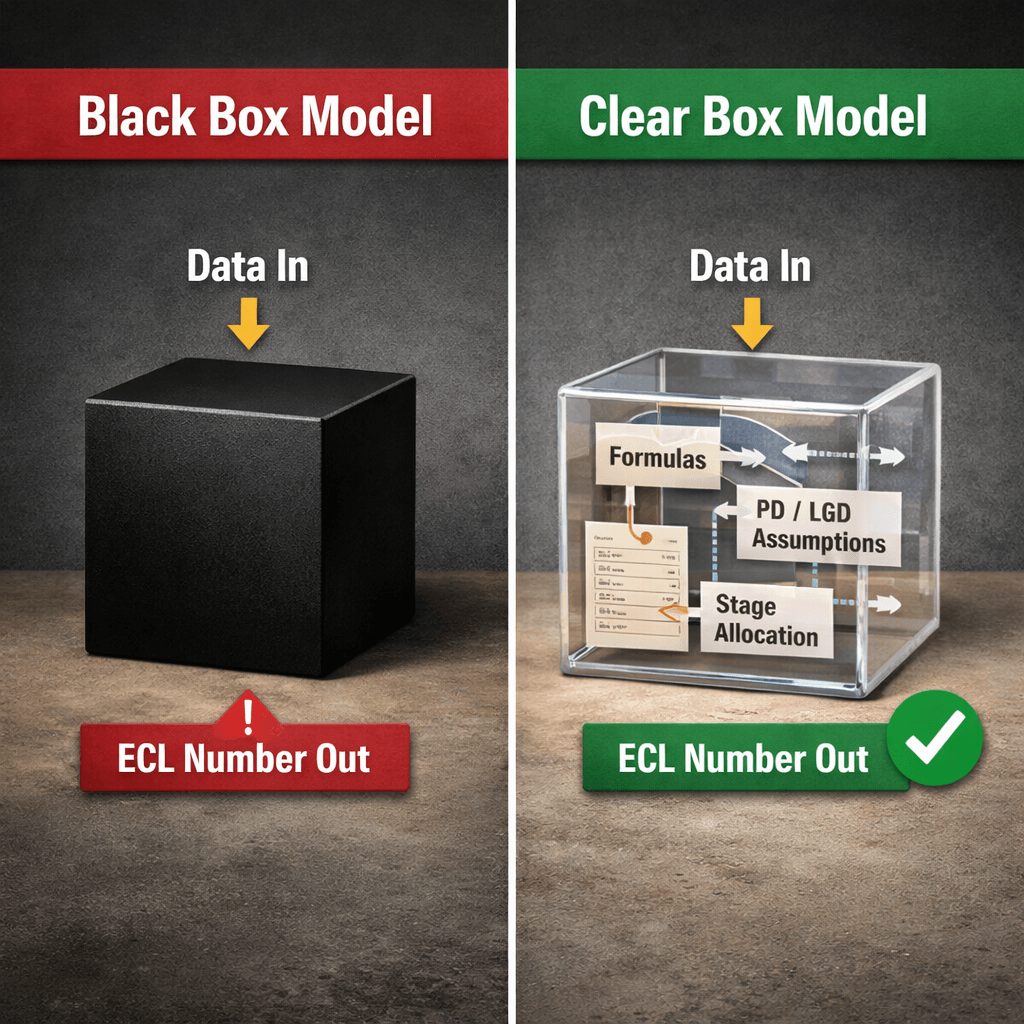
Regulators demand a “clear box” approach where every calculation step is fully visible. The software must provide a detailed audit trail for every manual override or adjustment. Good vendors include built-in validation tools to test model sensitivity and back-testing results. This transparency makes it much easier for internal and external auditors to sign off. Governance features should allow you to set strict user permissions for sensitive data access.
Scalability, Performance, and Reporting Automation
Your reporting needs will likely grow as your loan book expands in volume. The solution must scale to handle millions of records without losing calculation speed. Automation should extend to the generation of the final PDF or XBRL reporting files. This reduces the “human factor” and the risk of manual errors in final submissions. Test the system performance under stress to see how it handles large batch runs.
How to Assess Vendor Support for Regulatory Compliance
Compliance is a moving target that requires more than a one-time software installation. You need to know how the vendor responds when the rules of the game change. Assess their track record of delivering updates before new regulations actually take effect. A vendor who is reactive rather than proactive will eventually cause a compliance breach.
IFRS 9 Integration with ICAAP and Stress Testing
Reporting is no longer a siloed activity in modern risk management frameworks. The ifrs 9 technology solutions in risk must feed directly into your ICAAP and capital planning. Consistency between your ECL numbers and your stress testing results is a regulatory expectation. Ask vendors if their engine can run multiple hypothetical “what-if” scenarios simultaneously. This integration helps your management team understand the capital impact of different economic paths.
Support for Forward-Looking Scenarios and Stress Testing
IFRS 9 requires you to incorporate forward-looking macro-economic information into your models. The vendor should provide a simple way to upload and weigh different economic scenarios. This includes the ability to apply base, optimistic, and pessimistic views to your calculations. Check if the software can automate the weighting process based on your internal policies. Accurate ifrs 9 impairment modeling tools make this complex task manageable for non-actuaries.
Regulatory Update Management and Change Readiness
When the International Accounting Standards Board issues a fresh update, your software must adapt. Ask about the vendor’s release cycle and how they communicate technical changes to users. Do they provide a “sandbox” environment for you to test updates before they go live? This readiness ensures you never miss a reporting deadline due to a software lag. Change management support is often what separates top-tier vendors from budget-friendly options.
Common Red Flags When Evaluating IFRS 9 Vendors
Knowing what to avoid is just as important as knowing what to look for. Some vendors promise a “one-size-fits-all” solution that rarely works for complex regional banks. Be wary of software that hides its logic inside a “black box” calculation engine. If you can’t explain the result to a regulator, the software is a liability.
Weak Data Quality Controls
If the system accepts “garbage” data without flagging it, your ECL will be wrong. A major red flag is a lack of automated data validation at the point of entry. The system should catch missing values, duplicates, or illogical dates before the run starts. Poor data quality is the primary cause of post-implementation reporting failures in most banks. Choose a vendor that makes data integrity a central part of their core workflow.
Limited Reporting Flexibility
Some tools offer fixed templates that you cannot change without paying for extra consulting. This is a problem when your board asks for a specific view of risk. You need a drag-and-drop report builder or easy export options to Excel and BI. Limited flexibility forces your team to do manual work outside of the secure system. This increases ifrs 9 impairment spreadsheet risk which regulators are now actively trying to eliminate.
Poor Model Transparency
You must be able to trace a single ECL number back to its source data. If a vendor cannot show you the exact math behind a calculation, walk away. Transparency is a core requirement for a successful enterprise ifrs 9 ecl software selection process. Auditors will ask for the logic used in stage allocation and lifetime ECL calculations. A lack of documentation or math transparency will lead to expensive audit findings later.
Inadequate Governance Frameworks
The software must support a “four-eyes” principle for all significant model changes. Red flags include systems where one user can change a model and run it alone. Lack of version control for models is another sign of a weak governance framework. You need to know who changed what, when they did it, and why they did it. Strong governance is the only way to maintain the integrity of your financial reporting.
Build vs Buy: Which IFRS 9 Vendor Approach Fits Best?
Small institutions often consider building an internal tool to save on initial licensing costs. That said, the long-term cost of maintenance usually exceeds the price of a professional solution. Internal builds often lack the robust security and automated updates that vendors provide. On the other hand, buying a solution gives you access to global best practices. Perform a build vs buy ifrs 9 software tco to see the true ten-year cost of both paths.
How to Compare IFRS 9 Regulatory Reporting Vendors in GCC
Banks in the GCC face unique challenges including specific local central bank circulars. Many regional regulators have stricter disclosure requirements than the standard global IFRS rules. You need a vendor that understands the nuances of Islamic Finance and Sharia-compliant products. Check if the vendor has a local support team that understands the regional time zone. A vendor with global experience but local presence is often the most effective partner.
Country-Specific Regulatory Reporting Considerations
Saudi Arabia, UAE, and Qatar all have slightly different reporting expectations for banks. Your ifrs 9 compliance software tools must allow for these country-specific parameter adjustments. This includes specific rules for treatment of government-related entities or sovereign debt. A “global” solution might fail to capture these small but critical regional requirements. Ensure the vendor can prove they have successfully implemented their tool in your specific country.
Regional Data and Infrastructure Challenges
Data residency laws in the GCC might require your data to stay within national borders. Verify if the vendor offers local cloud hosting or an on-premise installation option. Slow internet connectivity to overseas servers can also hinder the performance of cloud tools. Ask about the vendor’s plan for ensuring high availability and disaster recovery in the region. These infrastructure details are just as important as the accounting logic itself.
Best Practices for Vendor Selection and Due Diligence
Never rush a selection process just to meet a looming reporting deadline. Create a cross-functional team with members from Risk, Finance, IT, and Internal Audit. This ensures the final choice meets the needs of all primary stakeholders. A collaborative approach leads to much better user adoption after the software goes live.
Vendor Evaluation Checklist
-
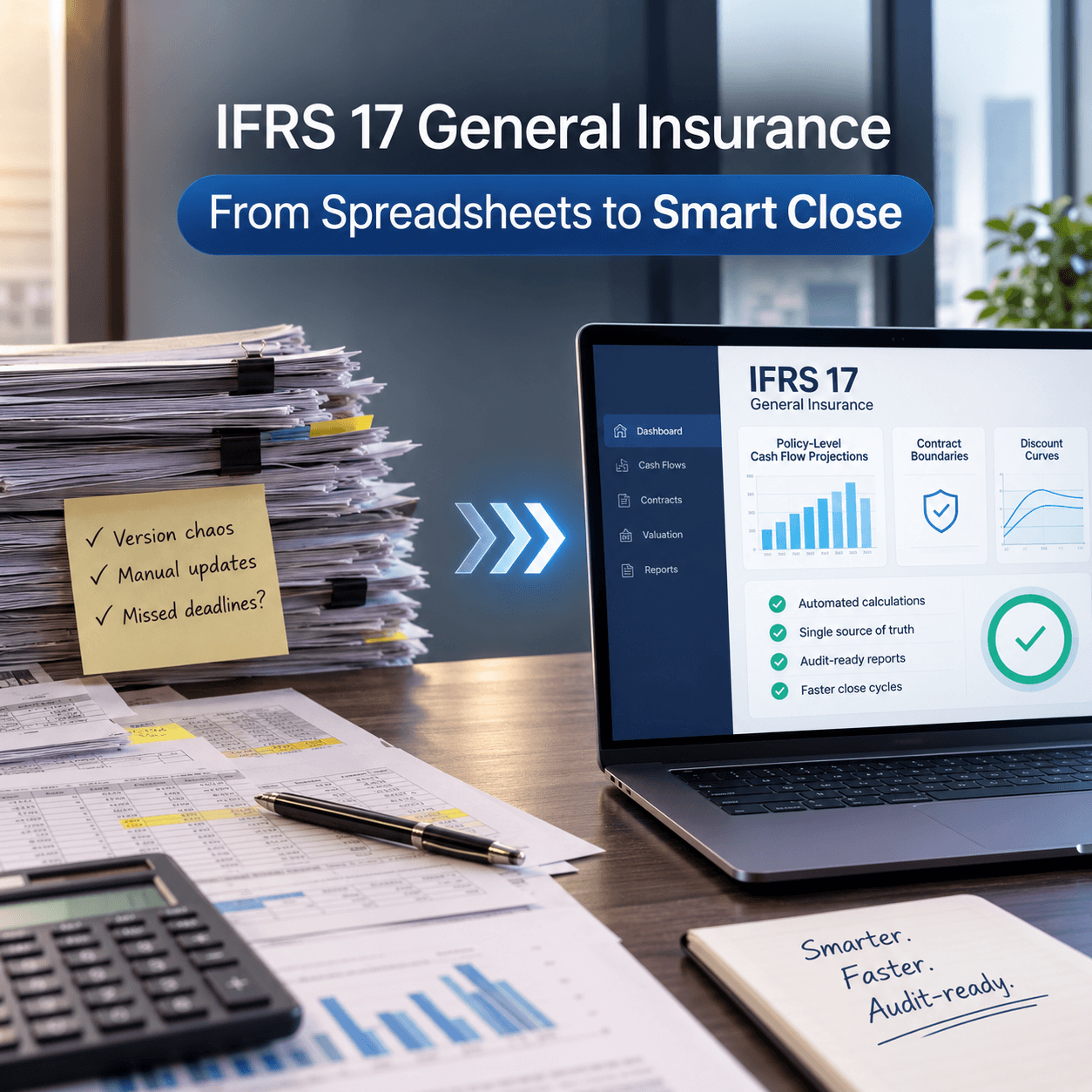
Does the vendor support IFRS 9 and IFRS 17 integration?
-
Are there pre-built connectors for my specific core banking system?
-
Can the system handle a five-fold increase in transaction volume?
-
Is the pricing model based on assets under management or user seats?
-
What is the average implementation time for a bank of my size?
Questions to Ask IFRS 9 Vendors
Start by asking how they handle data gaps in the historical transition period. Next, ask for a list of three live clients you can contact for references. Inquire about the technical background of their implementation team to ensure they are experts. Ask specifically how they handled the most recent regulatory change in your specific region. Their answers will reveal their true level of commitment to your long-term success.
Proof of Concept and Implementation Review
Always run a Proof of Concept (POC) with your own messy, real-world data. A demo with “clean” vendor data will not show you how the tool truly performs. This phase helps you see the actual ifrs 9 compliance process architecture in a live environment. Use the POC to test the speed of the calculation engine and report generation. It’s the best way to avoid buyer’s remorse after signing a long-term contract.
Future Trends in IFRS 9 Regulatory Reporting Technology
The next wave of reporting will move toward real-time risk monitoring and AI. Static, once-a-month reporting is slowly becoming a thing of the past for top banks. Leading ifrs 9 solutions for financial institutions are already adding predictive analytics features. Staying ahead of these trends will give your bank a significant competitive edge.
AI and Automation in Regulatory Reporting
AI can help identify patterns in credit deterioration much faster than manual analysis. Machine learning models can suggest better stage allocations based on millions of data points. Automation will eventually handle the entire “data-to-disclosure” chain without any human touches. This doesn’t replace the risk manager but allows them to focus on high-level strategy. The ifrs 9 software solution of tomorrow is already being built today.
Real-Time Risk and Finance Integration
The wall between the Risk and Finance departments is finally coming down. Future systems will allow both teams to view the same data in real-time. This leads to faster decision-making and a more accurate view of the bank’s health. Integrated ifrs 9 software solutions reduce the need for constant cross-departmental reconciliation. Efficiency gains from this integration can significantly lower your total operational costs.

Frequently Asked Questions
How do you evaluate IFRS 9 regulatory reporting vendors?
You should use a weighted scoring framework that covers data integration, model flexibility, and governance. Always run a proof of concept with your own data to verify performance claims.
What features should IFRS 9 regulatory reporting vendors provide?
Vendors must provide automated ECL calculations, a full audit trail, and pre-built regulatory disclosure templates. They should also offer robust data validation tools and support for multiple economic scenarios.
What are common risks when selecting an IFRS 9 vendor?
Common risks include “black box” logic, hidden costs for updates, and poor integration with banking systems. Scalability issues and lack of regional regulatory knowledge are also significant red flags.
How do banks compare IFRS 9 vendors for compliance readiness?
Banks compare vendors by reviewing their history of regulatory updates and their local market presence. They also assess the transparency of the modeling engine and the strength of audit controls.
Choosing the right partner is the cornerstone of your IFRS 9 compliance strategy. The right vendor provides more than software; they provide certainty in an uncertain market. By using this framework, you can select a solution that ensures Expected Credit Loss IFRS 9 accuracy and long-term stability.
IFRS Tech offers world-class IFRS 9 solutions and IFRS 9 ECL implementations tailored to your bank’s specific needs. Our pricing models are transparent and designed to scale with your institution’s growth.
Contact Prima Consulting today to schedule a detailed demonstration of our IFRS Tech platform. Let us help you transform your regulatory reporting from a burden into a strategic advantage.