TL;DR
Managing credit risk models often feels like a constant battle for busy finance teams. Using IFRS 9 ECL software for banks automates math, but the real work lies in maintenance. This guide identifies why data quality and scenario design cause reporting delays for global institutions. You will discover how to fix compliance gaps and simplify complex risk models for better audit results. We also look at how automated IFRS 9 ECL tools can improve your data workflow. Learn how to transform your current reporting process into a reliable asset for your bank.
IFRS 9 ECL Software for Banks: Key Challenges
Managing credit risk models is one of the most difficult tasks for finance teams today. Your bank needs to report expected credit losses with high precision every single month. This requirement places a massive burden on your existing data and technology systems. Many institutions struggle with these complex reporting tasks due to outdated or rigid tools.
Using an ifrs 9 ecl software for banks helps automate these very technical calculations. Still, simply buying the software is only the first step in a long journey. You must maintain these models to keep your financial statements accurate and valid.
What Is IFRS 9 ECL Software for Banks?
An ifrs 9 ecl software for banks is a tool designed to calculate credit losses. It uses historical data and future forecasts to predict potential loan defaults over time. The global market for this compliance software reached USD 2.15 billion in 2024.
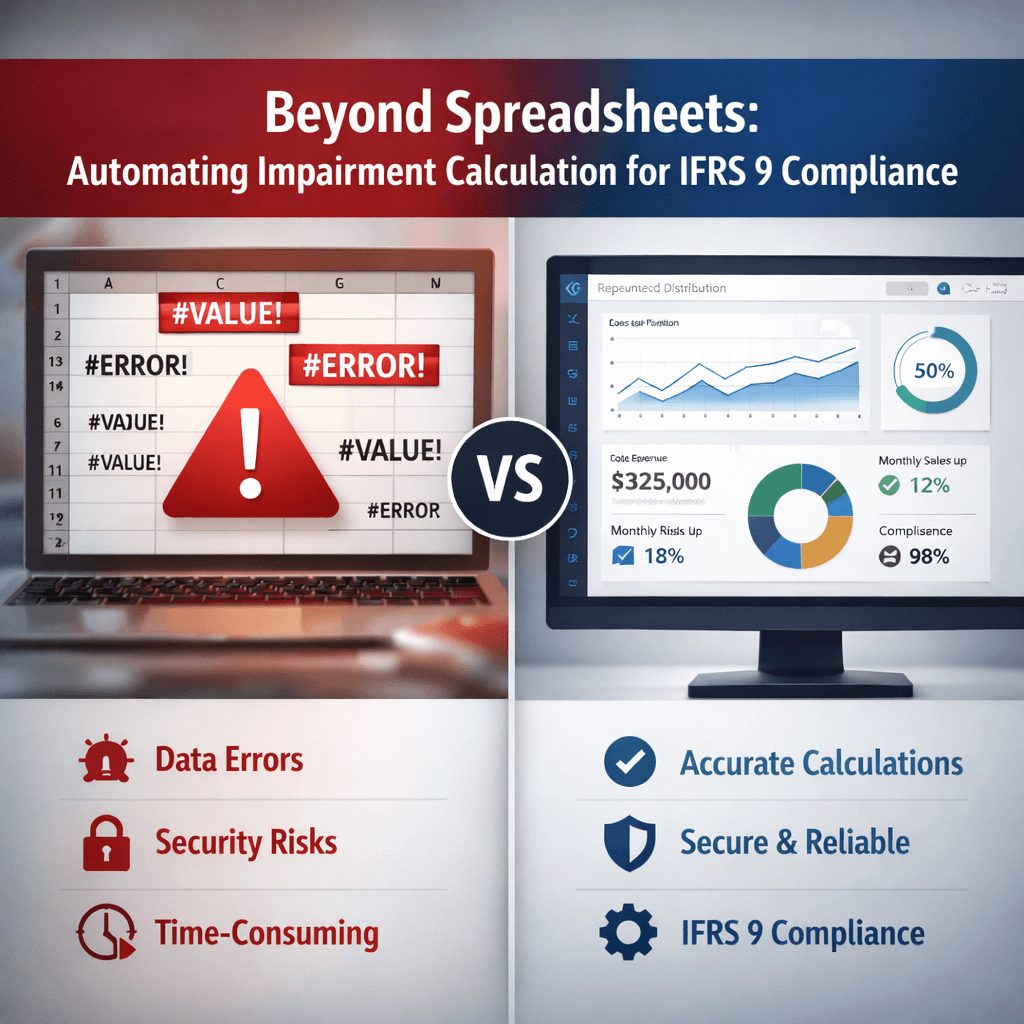
DI Most banks use these systems to replace old and risky manual spreadsheet processes. These digital solutions provide a more structured way to handle large sets of data. They help your risk and finance teams work together on a single source. You can track loan performance and update your loss estimates with much greater speed.
Core Components of ECL Modeling Systems
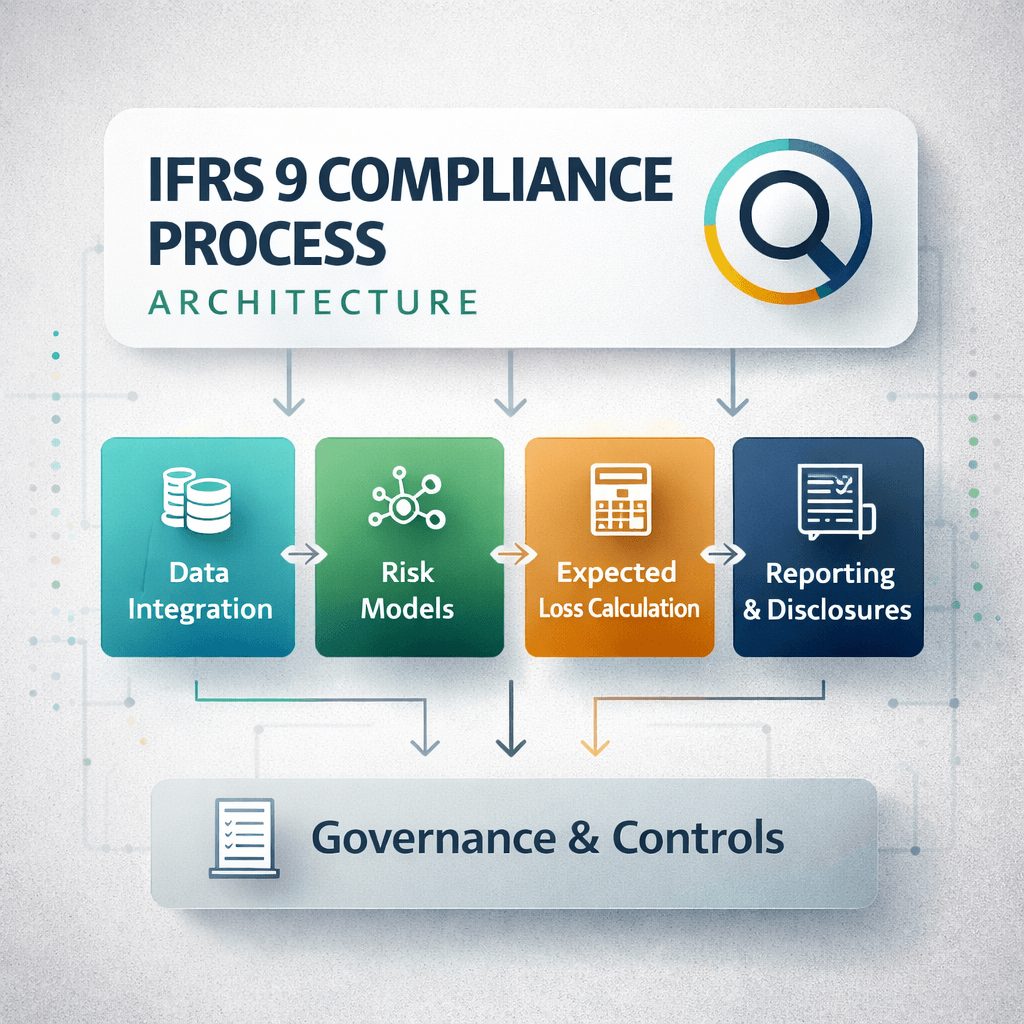
A typical system includes a data ingestion engine to gather info from various sources. This engine pulls data from core banking, collateral, and market data feeds daily. From there, the ifrs 9 impairment modeling tools calculate the probability of default for each loan.
These tools also look at loss given default and exposure at default metrics. You need these components to work together to produce a final loss number. The system also includes a reporting module to generate the final disclosure tables. These tables are vital for your annual reports and for the bank regulators.
Top Model Maintenance Challenges in Banks
Model maintenance is a continuous process that requires constant attention from your staff. You cannot just set up the logic once and then walk away from it. Economic conditions change fast, and your models must change to reflect those new risks.
Many banks find that maintaining these systems is harder than the initial implementation. You will face hurdles related to data quality and the complexity of the math. These problems can lead to inaccurate reporting and issues with your external auditors.
Data Quality and Availability Issues
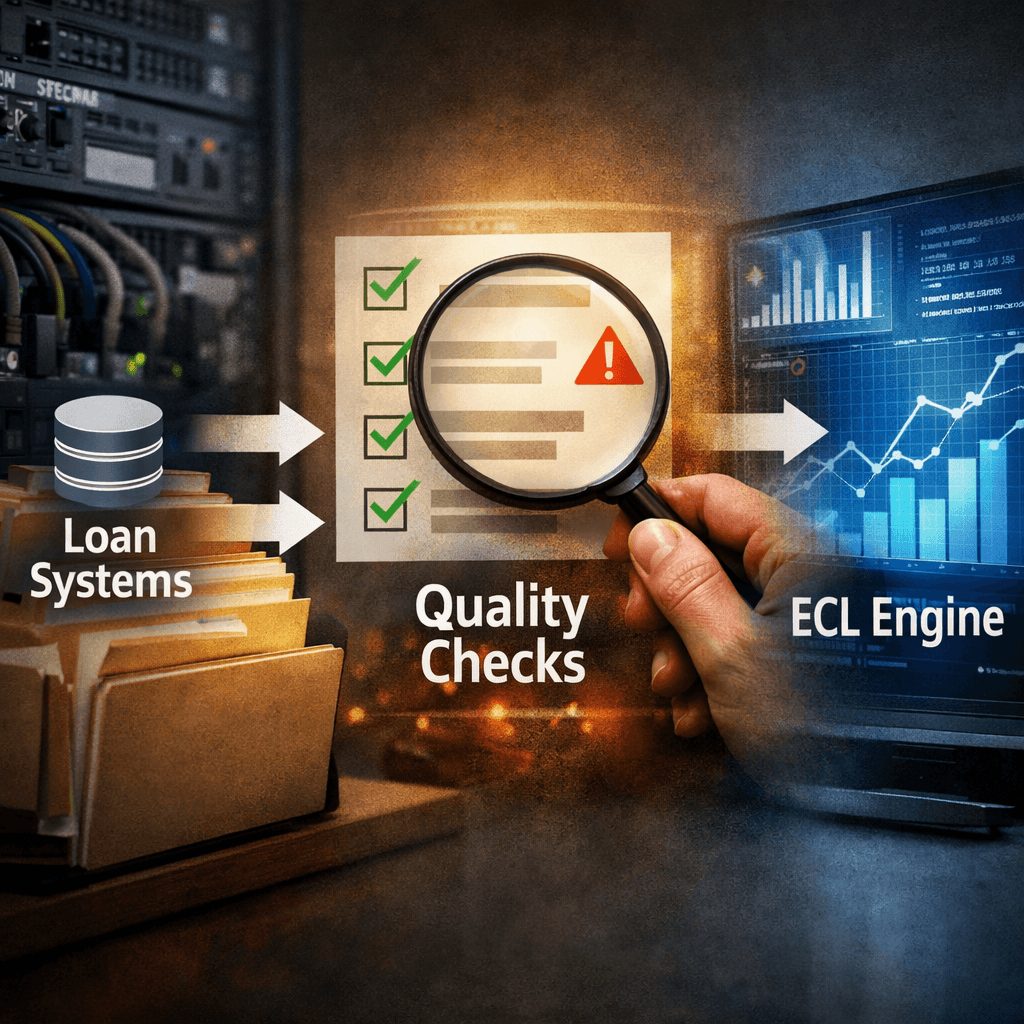
Poor data is the primary reason why credit loss models fail to perform well. You might have missing dates or incorrect credit scores in your main banking systems. Reliable ifrs 9 impairment software requires high quality data to produce any meaningful results for you.
If the inputs are wrong, your final loss numbers will be totally misleading. This creates a high risk of manual errors during the data preparation phase. You must build strong checks to find and fix these errors early on. Data quality issues with ifrs9 impairment tools can lead to very costly reporting delays.
Managing Forward-Looking Scenarios
IFRS 9 requires you to include future economic views in your credit risk models. You have to build scenarios for high inflation or changes in the interest rates. Developing these scenarios requires a deep understanding of the local and global economy.
Your bank must update these views at least four times every single year. This task is hard if your software does not allow for quick changes. You need a system that can run many different scenarios without crashing. Poorly designed scenarios will lead to loss estimates that do not make sense.
SICR Threshold Calibration Challenges
Significant Increase in Credit Risk or SICR is a core part of the standard. You must decide when a loan moves from a safe stage to risky. Setting these thresholds involves a lot of trial and error for your risk team. If you set them too low, your required capital will increase very fast.
If you set them too high, you might miss early signs of defaults. Challenges in maintaining ifrs 9 compliance models often stem from this specific calibration task. You need to review these settings every year to keep them current.
Model Complexity and Granularity Limits
Some models are so complex that your own staff cannot explain the results. Using overly complex ifrs 9 compliance software tools can actually hide important risk trends from you. You should aim for models that are easy for an auditor to follow.
Granularity is also a problem when you have many different types of loans. A model for car loans is very different from a corporate credit line. Scaling issues in ifrs9 software for financials often happen as your portfolio grows. You need to manage multiple models without making the whole system too heavy.
Integration with Risk and Finance Systems
Your ECL tool must talk to your risk systems and your general ledger. These connections often break when one system receives a new update or patch. You need a technical team to manage these data bridges and software links. If the systems do not match, your financial reports will show different numbers.
This discrepancy creates a lot of extra work for your finance team daily. Inconsistent data in manual ifrs 9 impairment processes is a common industry pain. You should look for ifrs 9 technology solutions in risk that offer better integration.
Skills Gap and Resource Constraints
Finding experts who know both credit risk and software coding is very difficult. Most banks do not have enough people to maintain these complex model systems. This leads to a skills gap that slows down your entire reporting cycle.
Your team might feel burnt out from fixing the same errors every month. Training your staff on new ifrs 9 compliance rules is a long term task. Without the right people, your bank will struggle to keep the models running. This resource constraint is a top problem for many banks worldwide today.
How Do Banks Maintain ECL Models Effectively?
Effective maintenance starts with a clear plan and a strong governance framework today. You should treat your models as living things that need regular care and feeding. Successful banks use a mix of automation and expert human review for results.
This approach helps you find errors before they reach the final financial report. You should document every change you make to the model logic or data. This trail of evidence is vital for your internal and external audit teams.
Model Validation and Backtesting Best Practices
Validation means having an independent team check your model math and logic settings. They look for errors or biases that the original model builders might miss. Backtesting is when you compare your past predictions to the actual credit losses. This shows you if your ifrs 9 ecl software is still working as expected.
If the results are far apart, you must update your model logic. You should perform these tests at least once every twelve months for safety. Accurate backtesting builds trust with your board and your external financial regulators.
Automation vs Manual Adjustments
Automation reduces the risk of human error when you handle millions of rows. You should let your software do the hard math and the data mapping. But you also need a way for experts to add manual overlays. These overlays are helpful when the model cannot see a sudden market event.
You must record the reason for every single manual change you make. Too many manual changes can signal that your base model is actually broken. Audit challenges from poor ifrs 9 model maintenance often start with these overrides.
Governance and Audit Requirements
Governance is the set of rules for how you manage and change models. You need a formal committee to approve any new risk logic or data. This committee should include leaders from risk, finance, and the IT department. Good governance prevents unauthorized people from making silent changes to the system logic.
You must follow a strict ifrs 9 compliance process architecture to satisfy your auditors. They will want to see your data lineage and your model change logs. Being ready for an audit saves you time and reduces your stress levels.
Regional Challenges for Banks in Pakistan
Banks in Pakistan face unique hurdles when they implement these complex digital systems. Local regulations from the central bank require very specific and detailed reporting formats. You might find that global software does not always fit these local rules.
This gap requires you to make extra customizations to your ifrs 9 software solution. You also need to manage data from many different legacy core banking systems. This makes the data aggregation task much harder for your local technical teams.
Regulatory Expectations and Compliance Gaps
The State Bank of Pakistan has very high standards for credit risk reporting. You must ensure that your calculations meet every single local rule they set. Many banks have a hard time balancing global standards with these local requirements. This can lead to compliance gaps if you do not have local expertise.
You must stay updated on all new circulars and guidelines from the regulator. Banking problems in ifrs 9 regulatory reporting are often tied to these changes. Hiring a local advisor can help you bridge these specific knowledge gaps fast.
Data Infrastructure Limitations
Some older banks in the region lack the infrastructure to store historical data. You might only have two years of data when you need five years. This lack of history makes it hard to build accurate credit loss models. You have to find ways to fill these gaps using proxy data points.
Transition challenges to automated ifrs 9 ecl often start with these infrastructure limits. You might need to move your data to a modern cloud system first. This shift allows you to manage ifrs 9 ecl software for banks more easily.
Best Practices to Overcome ECL Model Challenges
You should start by building a very strong data governance framework for all. Do not try to implement complex models until your data is clean first. Start with simple models and then add more features as you get better.
This steady approach leads to much better long term results for you. You should also invest in tools that monitor data quality in real time. This helps you catch errors before they impact your final loss calculations.
Data Governance and Quality Frameworks
Create clear rules for who owns the data in each department of the bank. You need “data stewards” who check the accuracy of loan info every day. A strong framework helps you find errors at the source of the data. This saves your finance team from doing too much clean up later.
You should also use automated tools to flag any data that looks wrong. Reliable ifrs 9 solutions for financial institutions often include these checks. Good data is the foundation of every successful credit loss reporting system.
Scenario Design and Stress Testing
Build your economic scenarios using real world data and expert market views today. You should test how your bank would handle a sudden economic crash now. This “stress testing” reveals the weak spots in your current loan portfolio. You can then take steps to reduce your risk before a crisis.
Your software should allow you to run these tests without much manual work. Flexible systems help you respond to market changes much faster than your competitors. Scenario design is a vital part of maintaining your ifrs 9 compliance status.
Model Simplification Strategies
Do not use ten different variables if two variables give the same result. Simple models are much easier to maintain and explain to the regulators. You should review your models every year to see where you can simplify. This reduces the workload for your IT team and your risk experts.
A simple model also runs much faster in your ifrs 9 ecl software. You will find that auditors also prefer models that they can understand. Clarity is often more important than having the most complex math equations.

Future Trends in IFRS 9 ECL Software
The world of credit risk technology is moving toward more automation and intelligence. You will see more tools that use smart logic to find hidden risks. Staying ahead of these trends will help your bank remain safe and profitable.
The future of reporting is much more real time than it is today. You should prepare your team for these changes by investing in new skills. Technology will continue to play a bigger role in your daily compliance tasks.
AI and Machine Learning in Credit Risk
Artificial Intelligence can find patterns in loan data that humans often miss now. Some tools now use AI to predict when a borrower will default. This leads to more accurate Expected Credit Loss IFRS 9 estimates for you. But you must still have humans check the work of the AI.
Regulators are still very careful about using “black box” models for reporting. You need to be able to explain how the AI reached its result. Still, AI will soon become a standard part of all credit risk tools.
Real-Time Data and Predictive Analytics
Waiting weeks for a report will soon be a thing of the past. Modern systems can give you a view of your credit risk instantly. This allows you to make better lending decisions every single business day. You can see how a new loan will affect your total loss.
Predictive analytics helps you find problems before a borrower even misses a payment. You can then work with the client to find a solution early. Leading ifrs 9 regulatory reporting vendors are now focusing on these real time features.
FAQ
What are ifrs 17 vendors for scalable compliance?
Ifrs 17 vendors for scalable compliance are software providers that help insurers manage complex accounting rules as their data grows. These companies offer tools to calculate insurance contract liabilities and generate required financial disclosures automatically. Choosing a scalable vendor like SAP or Oracle means your system can handle more policies without slowing down. You should look for partners that offer cloud flexibility and modular updates.
How do you evaluate ifrs 17 vendors for scalable insurance compliance?
You can assess ifrs 17 vendors for scalable insurance compliance by checking their track record with large data sets. Look for software that integrates well with your existing actuarial systems and general ledger. Ask about their support for different measurement models like GMM or PAA. A good vendor provides a clear roadmap for future regulatory changes. Always check for red flags like hidden costs for adding more users or data.
Why do banks struggle with ifrs 9 ecl software for banks?
The main struggle is often poor data quality from old legacy banking systems. If the loan data is missing or wrong, the model cannot work. Banks also find it hard to hire experts who understand both finance.
How often should we update our forward looking scenarios?
You should update your economic views at least once every three months. If the market is very volatile, you might need to update monthly. Regular updates ensure your loss estimates reflect the current reality of the market.
What is the risk of using ifrs 9 impairment spreadsheet risk for reporting?
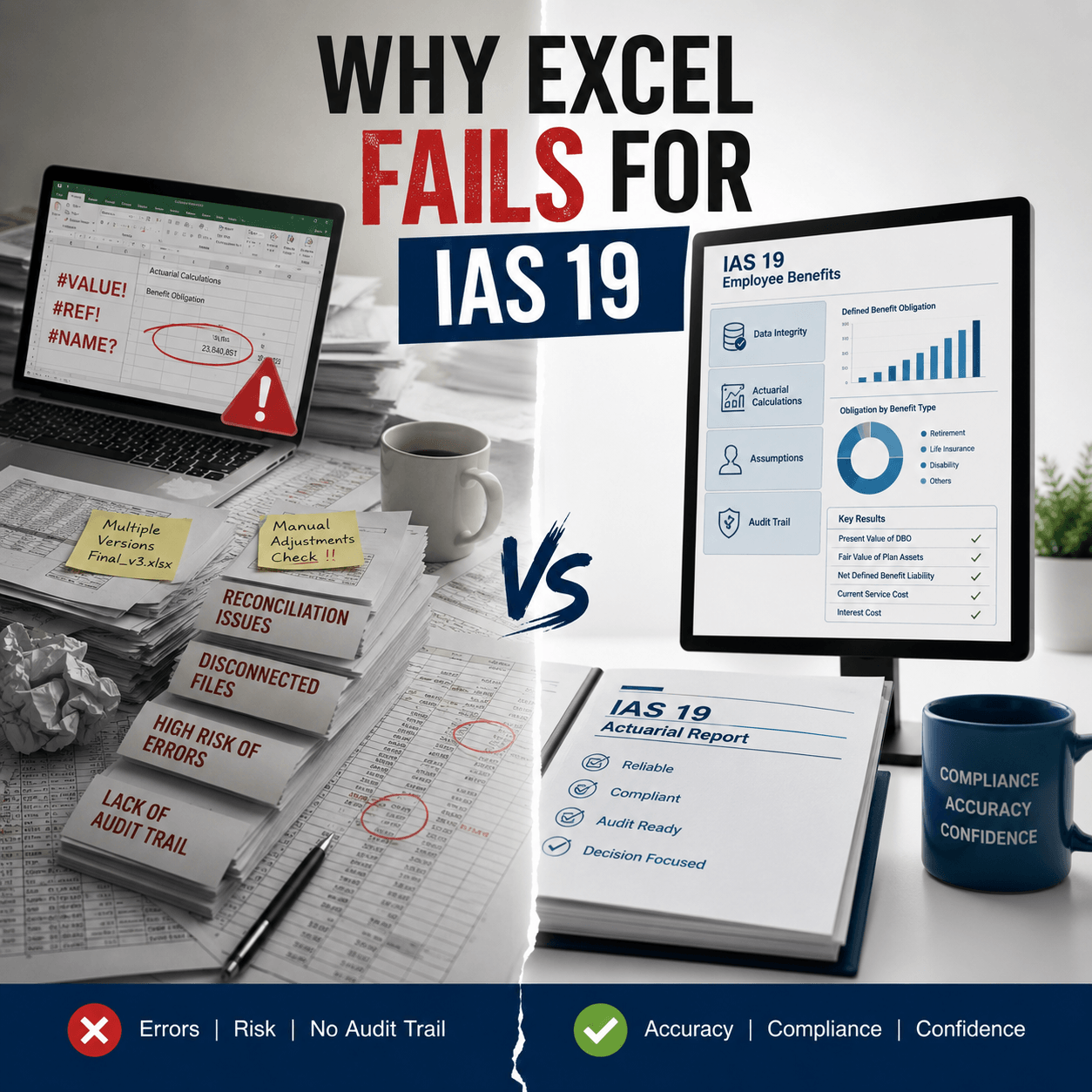
Spreadsheets are very prone to manual errors and lack a proper audit trail. They cannot handle large sets of data as well as dedicated software. This creates a high risk of making big mistakes in your reports.
Can small banks use automated ifrs 9 ecl software for banks?
Yes, many software tools are now scalable for banks of all sizes today. Small banks can benefit from automation to reduce their manual reporting workload. It helps them stay compliant without needing a massive team of experts.
Maintaining an ifrs 9 ecl software for banks involves more than just software. You must deal with data quality issues and complex model calibration tasks daily. Banks in Pakistan face extra hurdles due to specific local central bank rules.
You can overcome these challenges by using strong data governance and simple models. Automation helps reduce errors, but expert human oversight is still very vital today. Focus on building a clear path for model validation and audit readiness.
Staying ahead of AI trends will help your bank manage risk more effectively. Accurate reporting builds trust with your board and your external financial investors.
To learn more about optimizing your credit risk models, visit primaconsulting.org today. Our experts provide the advisory and valuation skills you need for total compliance.