TL;DR
Manual pension valuations take 15 to 30 days and break the moment an assumption changes. IAS 19 pension valuation platforms fix that by automating calculations, generating disclosure notes in minutes, and keeping every step auditable. This guide covers the security standards, compliance features, and real-time capabilities your platform must have. It also flags what to avoid. Read it before you sign any vendor contract.
How to Choose Secure IAS 19 Pension Valuation Platforms in 2026
Your finance team is three days from close. The pension valuation still isn’t ready. Sound familiar?
That gap between what manual processes promise and what they deliver is why decision-makers are moving to IAS 19 pension valuation platforms. These platforms include built-in security and compliance controls.
This guide walks you through the criteria that separate a reliable platform from a risky one. Use it to base your next evaluation on facts, not vendor claims.
What Is IAS 19 Pension Valuation Software?
IAS 19 pension valuation platforms are purpose-built systems. They automate the full defined benefit obligation cycle under the IFRS employee benefits standard.
Then they calculate service costs, net interest, remeasurements, and projected unit credit values. Also they generate auditor-ready disclosure notes directly from source data.
The best platforms go further. They connect to HR systems, apply jurisdiction-specific actuarial assumptions, and produce signed valuation reports without manual intervention.
You can review how the calculation methodology works in detail by reading this overview of IAS 19 actuarial valuation software from IFRS Tech.
IAS 19 Valuation Requirements for Pension Plans
IAS 19 requires organizations to measure defined benefit obligations at present value. This is done using the projected unit credit method, per the standard issued by the IASB.
That means applying discount rates drawn from high-quality corporate bond yields. It also means factoring in salary growth assumptions and demographic factors like mortality and staff turnover.
How Platforms Ensure IAS 19 Compliance
Compliant platforms store built-in assumption libraries. These reflect current market data and regulatory benchmarks from multiple jurisdictions.
They auto-generate the IAS 19 disclosure outputs required under paragraphs 135 to 152 of the standard. This covers plan assets, liability reconciliations, and sensitivity analyses.
Every calculation step is traceable back to its source data. That means auditors get the full picture without additional manual workpapers.
Risks of Manual Pension Valuation Processes
According to a PwC survey, finance functions rank data integrity as their top reporting risk. Manual actuarial workflows sit at the center of that problem.
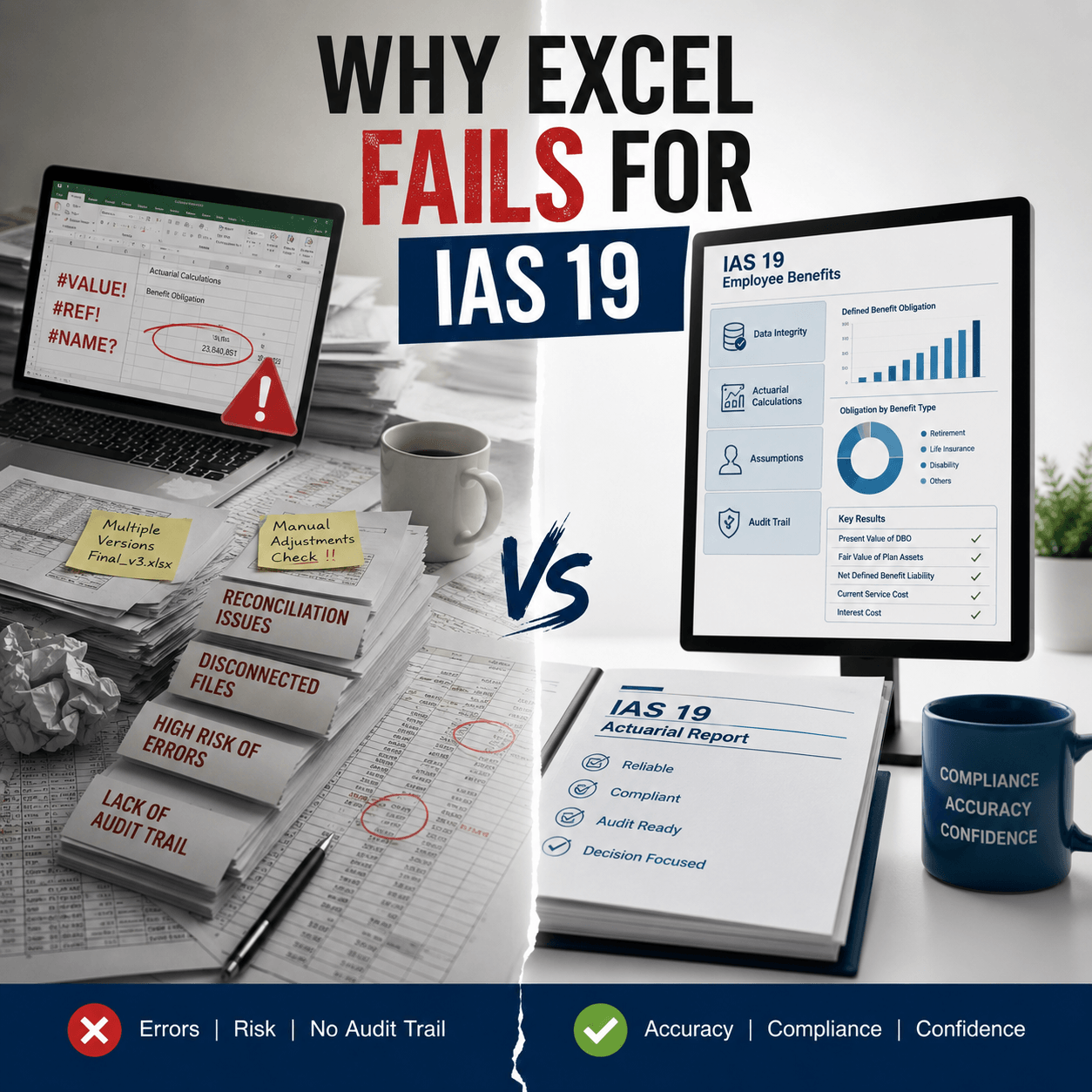
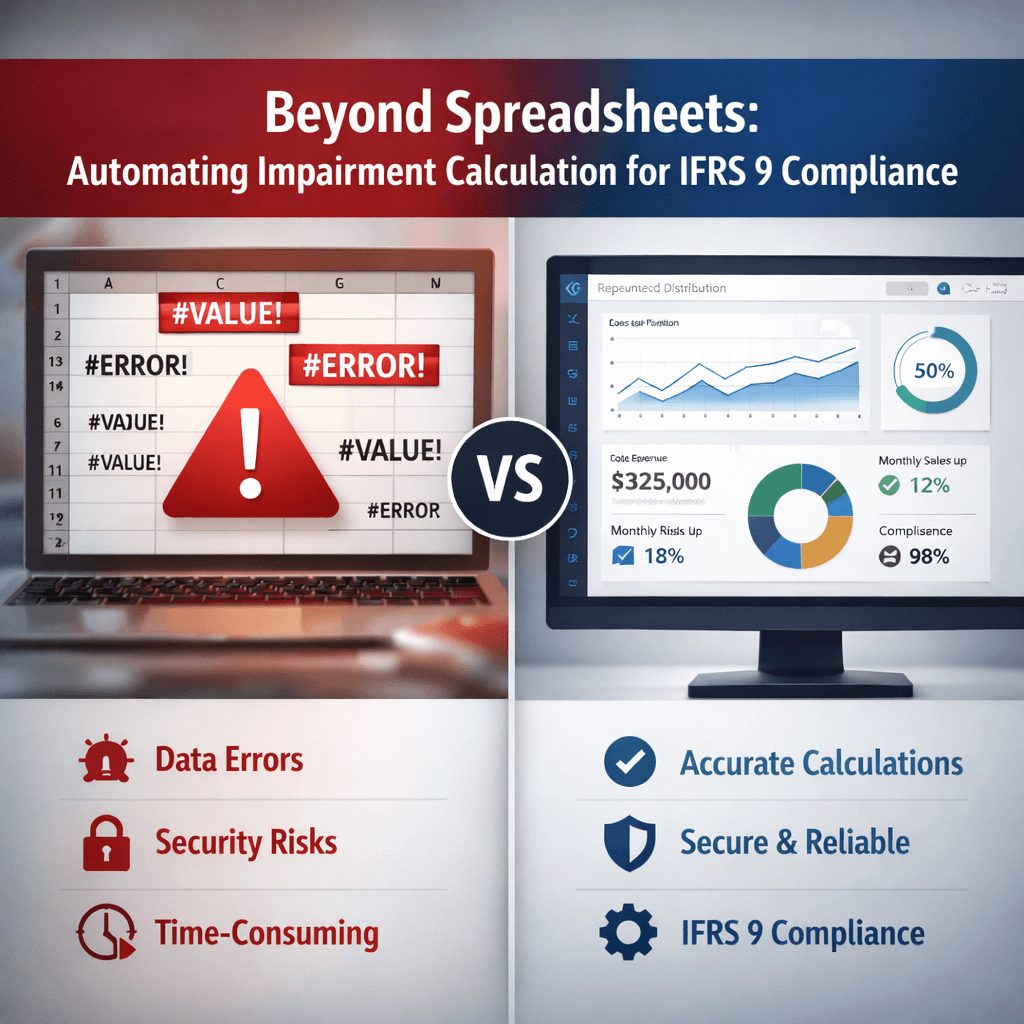
Spreadsheet-based models break when assumptions change mid-cycle. There is no automatic rollback or version control to protect against errors.
The pension administration software market was valued at USD 4.7 billion in 2024 and is projected to reach USD 8.2 billion by 2030, according to SMR — a 9.3% CAGR that reflects how quickly organizations are moving away from manual processes.
One miscalculated discount rate cascades across every output. That includes the balance sheet liability and the notes disclosure. Nobody catches it until the audit.
Key Criteria for Secure IAS 19 Valuation Platforms
Decision-makers need a clear framework when comparing platforms. These four criteria separate vendors worth shortlisting from those you should walk away from.
Regulatory pressure is a key driver. The market is forecast to grow from USD 16.1 billion in 2025 to USD 45.32 billion by 2035, per MRF, partly because compliance standards like IFRS are pushing organizations to replace judgment-based workflows with auditable platforms.
Data Security, Access Controls, and Governance
Any platform handling employee salary data, benefit entitlements, and retirement projections must meet enterprise-grade security standards. There are no exceptions.
Look for ISO 27001 certification and end-to-end encryption covering data in transit and at rest. Multi-factor authentication for all user accounts is also essential.
Role-based access controls should restrict who can view, edit, or export valuation data. A full audit log should capture every action taken inside the system.
Platforms without immutable audit trails cannot satisfy most external auditors. They also fall short of internal compliance team requirements.
Accuracy, Auditability, and Error Reduction
Accuracy is not just about the calculation engine. It is about whether the platform enforces data validation at every input stage before a single figure is computed.
The system should flag anomalies in source data automatically. These include missing dates of birth, inconsistent salary records, or implausible turnover rates.
Audit readiness means the platform generates a traceable calculation file. It should show exactly which assumptions were applied, when they were set, and who approved them.
Automation, Speed, and Reporting Efficiency
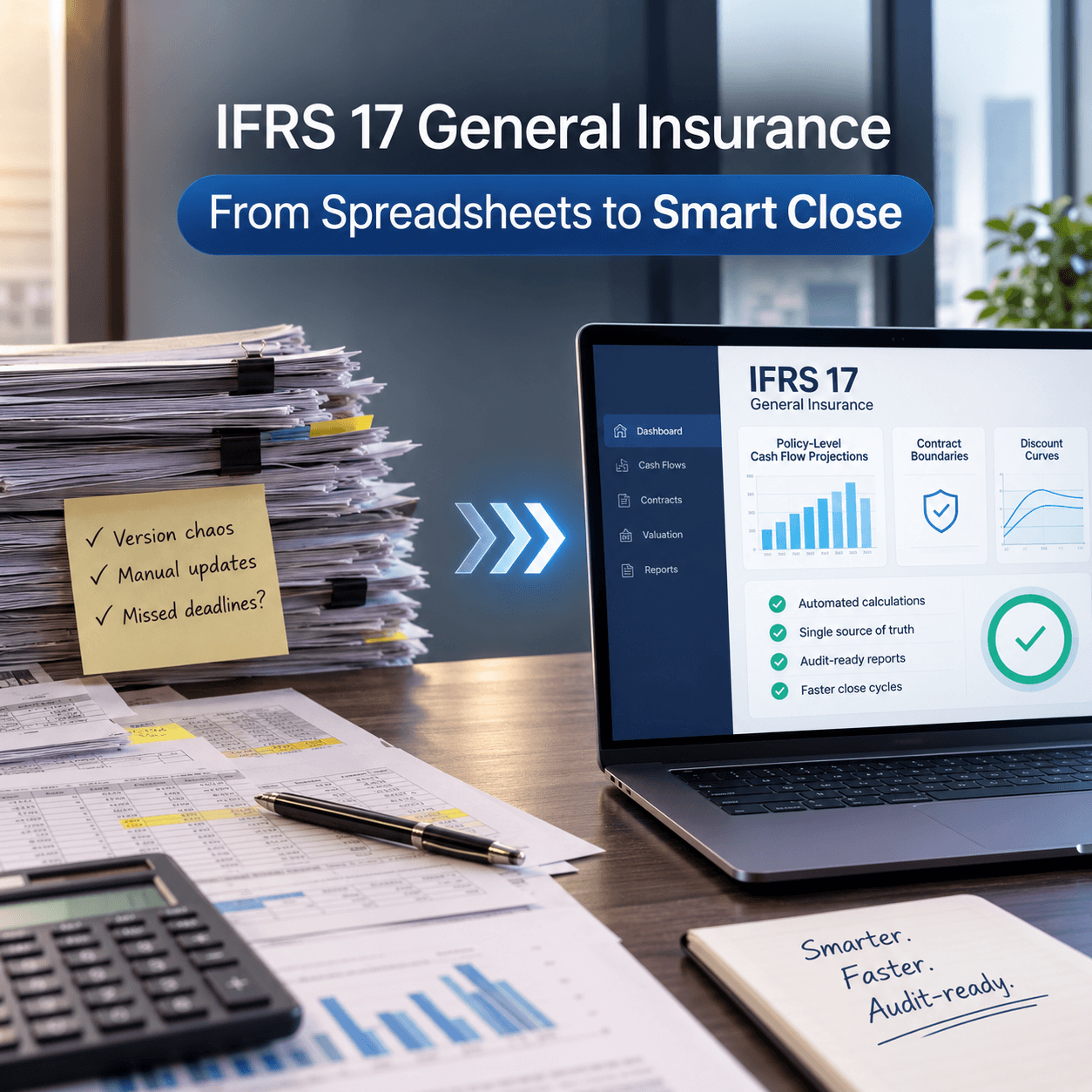
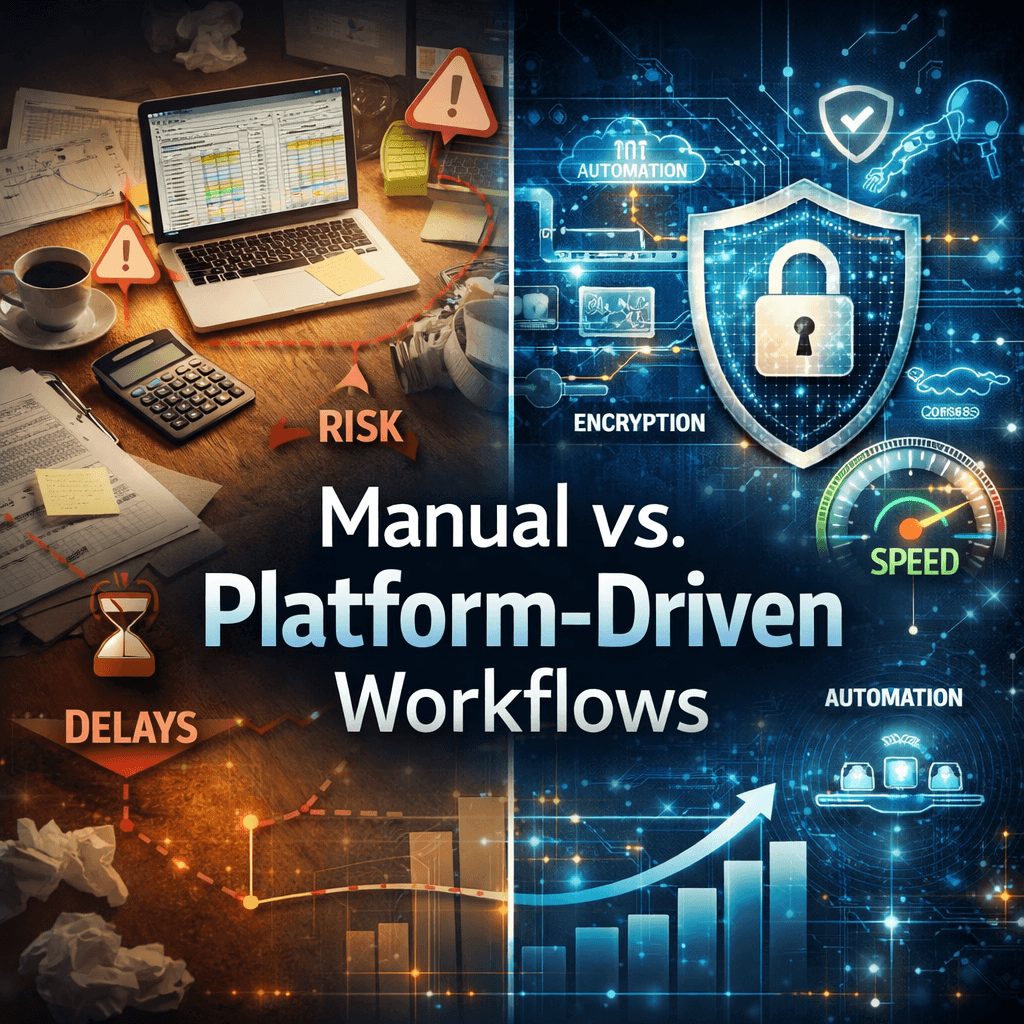
A platform that still requires manual data exports between HR and the valuation engine is not truly automated. It just moves the bottleneck.
The right platform connects directly to your HR system through encrypted channels. It pulls live employee data and runs the full valuation cycle without manual handoffs.
From there, it should generate disclosure notes, sensitivity analyses, and signed certification reports in minutes, not days. It should also export them in formats your accounting system can read directly.
Scalability for Multi-Entity Pension Schemes
Single-entity tools break down quickly when your organization manages benefit plans across multiple subsidiaries, currencies, or local regulatory environments.
Look for platforms that support batch processing across entities. They should also consolidate results at the group level and apply jurisdiction-appropriate actuarial standards per entity.
Unlimited user seats and configurable approval workflows matter too. This is especially true for organizations where finance, HR, and actuarial teams all need access to the same system.
Essential Features in IAS 19 Valuation Platforms
Integrated Actuarial Models and Assumptions
The platform’s calculation engine should apply the projected unit credit method natively. It should also include built-in support for local mortality tables and market discount rate benchmarks.
Users need the ability to set custom assumptions for salary growth, withdrawal rates, and early retirement factors. They should not need to rely on external actuarial input for every scenario.
Platforms that guide assumption selection using demographic analysis reduce input errors. They also cut the time spent chasing external actuaries.
Real-Time Reporting and Disclosure Outputs
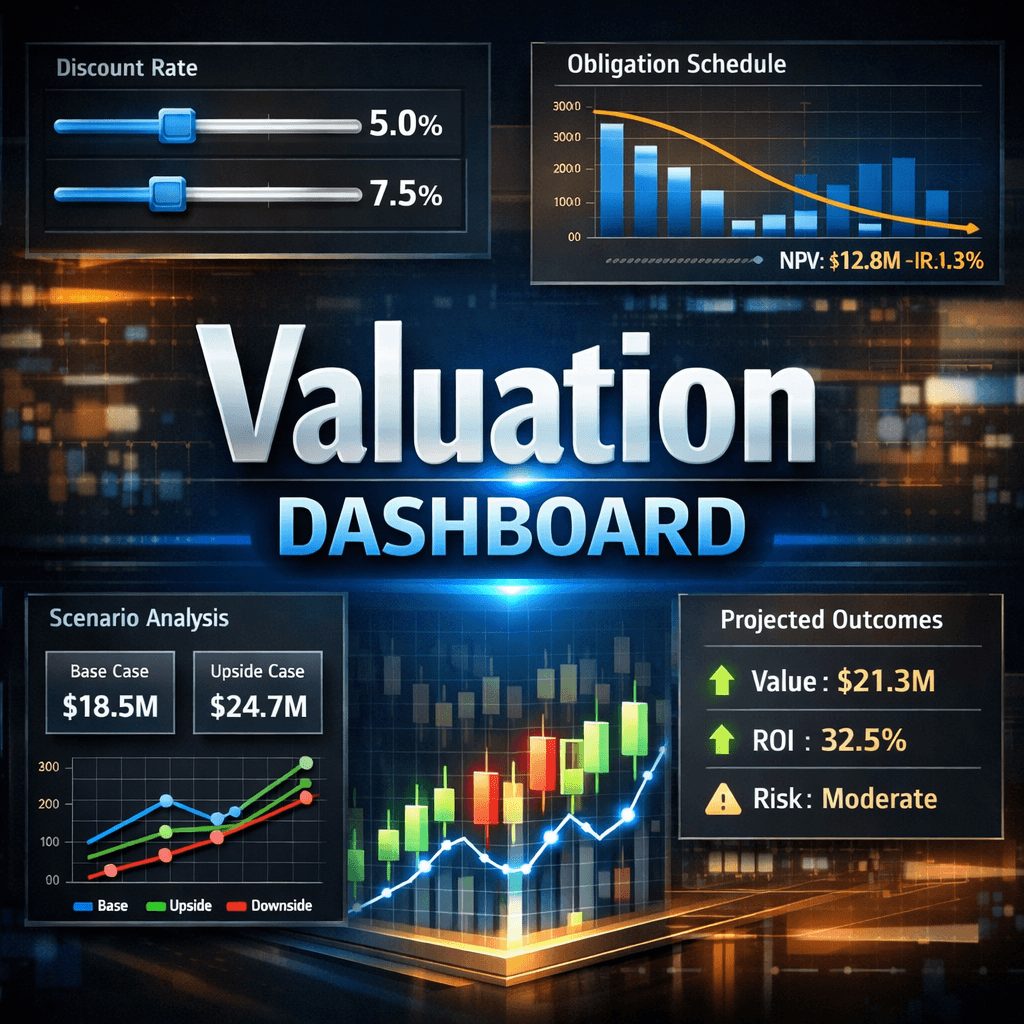
Real-time valuation software generates updated outputs the moment an assumption changes. It does this without requiring a full re-run of the calculation cycle from scratch.
This matters most during the financial close window. A last-minute discount rate revision or plan amendment can cascade across every disclosure line item.
Your platform should produce IAS 19-compliant disclosure notes automatically. These should cover the defined benefit obligation reconciliation, service cost components, and sensitivity analysis tables. They should be ready for direct integration into your financial statements.
For a deeper breakdown of how the valuation output connects to your financial statements, see this guide on IAS 19 actuarial valuation software from IFRS Tech.
Data Integration and Single Source of Truth
A platform without HR integration forces your team to re-key employee data into the system. That is where transcription errors and version mismatches begin.
The best IAS 19 pension valuation platforms establish a single source of truth. They do this by pulling employee records directly from your enterprise HR or ERP system through secure, encrypted connections.
That eliminates the reconciliation work between HR data and valuation inputs. It also means every scenario run uses the same verified dataset from the same point in time.
How to Choose the Right IAS 19 Valuation Platform
Build vs Buy: What Works Best in 2026
Building a custom actuarial valuation system in-house requires specialized actuarial engineering and regulatory knowledge. It also demands a long-term maintenance commitment most finance teams cannot sustain.
Off-the-shelf IAS 19 pension valuation platforms compress the time to compliance from years of development to weeks of implementation. Vendor-managed security updates are included.
Build only makes sense if your benefit plan structures are genuinely unique and no existing platform supports them. That is rare for standard IAS 19 pension obligations.
Software vs Consultants: Key Differences
Traditional actuarial consulting delivers a single valuation per engagement. It typically takes 15 to 30 days from data submission to signed report delivery.
A dedicated IAS 19 platform lets your team run unlimited scenarios. You can adjust assumptions in real time and regenerate the full report set in minutes at any point in the year.
The cost structure shifts too. Consulting fees scale with every re-run. Platform pricing gives you predictable access for the full reporting cycle, including sensitivity analyses and plan amendments.
Vendor Evaluation Checklist for Decision-Makers
- ISO 27001 or equivalent security certification confirmed
- End-to-end encryption covering data in transit and at rest
- Multi-factor authentication and role-based access controls
- Immutable audit log covering all user actions and assumption changes
- Native HR and ERP system integration with encrypted data transfer
- Projected unit credit method applied natively in the calculation engine
- Real-time scenario testing without full re-run requirements
- Automated disclosure note generation in IFRS-compliant format
- Multi-entity and multi-currency support for consolidated reporting
- Implementation timeline confirmed with contractual SLA for uptime
- Actuarial certification included with every report output
- Vendor references from organizations in your industry or jurisdiction
When Should You Use IAS 19 Valuation Platforms?
Best Use Cases for Large Pension Funds
Organizations with more than 500 employees in defined benefit plans face the highest manual processing burden. They also gain the most from platform automation.
Large pension funds benefit from batch processing across member cohorts and multi-scenario stress testing for actuarial assumption sensitivity. Direct integration with treasury or ERP reporting systems is an added advantage.
For organizations preparing group consolidated accounts across multiple entities, centralized data management is not optional. It is the only workable solution.
Hybrid Approach: Software with Actuarial Oversight
Some organizations prefer to keep a qualified actuary involved in assumption review and sign-off. They use the platform for all calculations, report generation, and disclosure outputs.
That hybrid model combines the speed and security of automated software with professional actuarial judgment. It works well for complex or unusual plan features.
It also reduces actuarial service costs significantly. The actuary’s role shifts from running the full valuation cycle to reviewing the platform’s outputs and certifying the results.
Common Questions About IAS 19 Pension Valuation Platforms
How secure are IAS 19 valuation platforms?
Leading platforms maintain ISO 27001 certification and apply end-to-end encryption across all data flows. They also enforce multi-factor authentication with role-based access controls.
The IFRS Tech IAS 19 Actuarial Valuation System is ISO 27001 certified with full data encryption. This covers the full journey from HR system upload through to signed report delivery. It also includes immutable audit trail documentation for every valuation run.
What features ensure compliance and audit readiness?
Compliance-ready platforms generate IAS 19 disclosure notes automatically. They maintain full calculation traceability and apply the projected unit credit method with jurisdiction-appropriate actuarial assumptions.
Audit readiness depends on the platform’s ability to show reviewers exactly which data inputs, assumptions, and calculation steps produced each output figure in the final report.
How do platforms improve pension valuation accuracy?
Accuracy improves through direct HR data integration. This removes manual re-keying errors. Built-in validation checks also flag inconsistencies before any calculation runs.
Real-time valuation software reduces the risk of working with stale data. It pulls the latest employee records directly from source systems each time a valuation is initiated.
Red flags in choosing gratuity valuation tools
Watch for platforms that lack a clear data encryption policy or cannot demonstrate a live audit trail. Also avoid those that require manual CSV uploads as the only data input method.
Avoid vendors who cannot provide uptime SLA commitments or reference clients in your industry. Also be cautious if they cannot clearly explain how regulatory updates are applied to the calculation engine.
What is the typical implementation timeline for IAS 19 platforms?
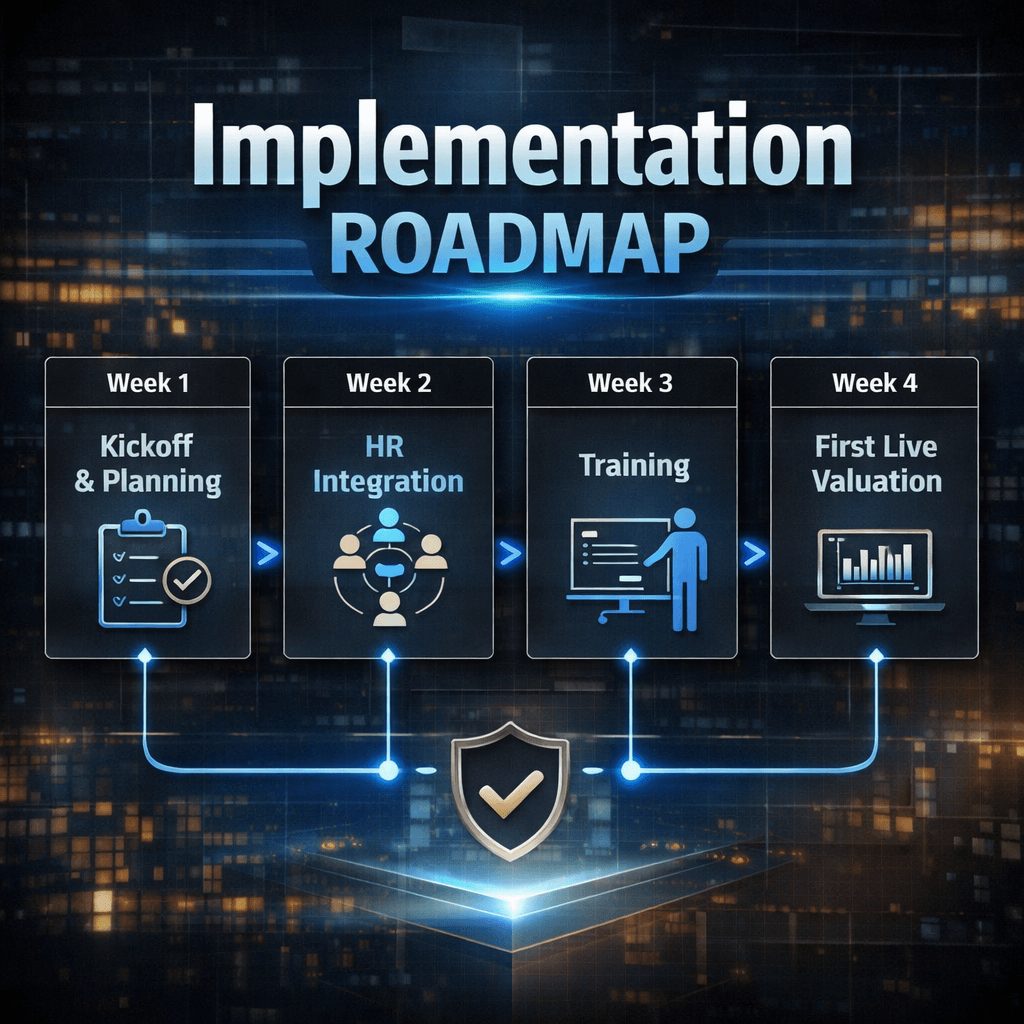
Most enterprise-grade IAS 19 pension valuation platforms complete implementation in two to four weeks. This covers system configuration, HR integration setup, user training, and initial valuation testing.
The IFRS Tech IAS 19 Actuarial Valuation System typically has finance teams running independent valuations within one week of initial training. Full HR integration is active from day one of go-live.
Choose a Secure IAS 19 Pension Valuation Platform Your Auditors Will Trust
You now have the complete criteria for evaluating IAS 19 pension valuation platforms. These cover security certifications, real-time features, audit trail requirements, HR integration, and multi-entity scalability.
The checklist in this guide gives you a vendor evaluation framework. Take it directly into your next product demo or RFP process.
The IFRS Tech IAS 19 Actuarial Valuation System is ISO 27001 certified and uses end-to-end encryption. It connects directly to enterprise HR platforms and generates signed actuarial reports and complete disclosure notes in minutes.
Finance teams across banking, healthcare, insurance, and manufacturing have already cut their valuation cycles from 30 days to under an hour using this platform.
Schedule your complimentary consultation with the Prima Consulting team. See the system run a live IAS 19 pension valuation on your benefit plan data, with no obligation and complete confidentiality.
Get in touch with the advisory team at Prima Consulting to book your complimentary IAS 19 platform consultation today.
You can also read the full technical breakdown of how IAS 19 pension calculations work at IAS 19 actuarial valuation software on IFRS Tech before your next vendor call.