TL;DR
IFRS 16 lease modification accounting isn’t optional. It’s a legal obligation, and getting it wrong creates real financial and compliance risk for your business. This guide walks you through the key steps: identifying what counts as a lease modification, choosing between IFRS 16 transition options, remeasuring your lease liability, and adjusting your right-of-use asset. You’ll also see where businesses make common lease accounting pitfalls and how to sidestep them before they hit your financials. Read on to get practical lease accounting steps you can apply now, wherever IFRS applies to your operations.
Essential Features of IFRS Compliance Technology: A Decision-Stage Guide for Enterprise Buyers
You’ve already done the research. You know what IFRS compliance technology is. Now you need to know which provider to trust with your organization’s financial reporting.
That’s a different question, and it requires a sharper answer.
This guide gives you that answer. It covers the must-have features, integration requirements, red flags, and the vendor checklist you need before signing any contract for ifrs compliance technology.
What Is IFRS Compliance Technology?
IFRS compliance technology refers to software and platforms built to automate, manage, and report on financial obligations under International Financial Reporting Standards.
These solutions handle complex accounting rules across multiple standards. They process data, run calculations, generate disclosures, and maintain audit-ready records without relying on manual spreadsheets.
Why Businesses Need IFRS Compliance Technology
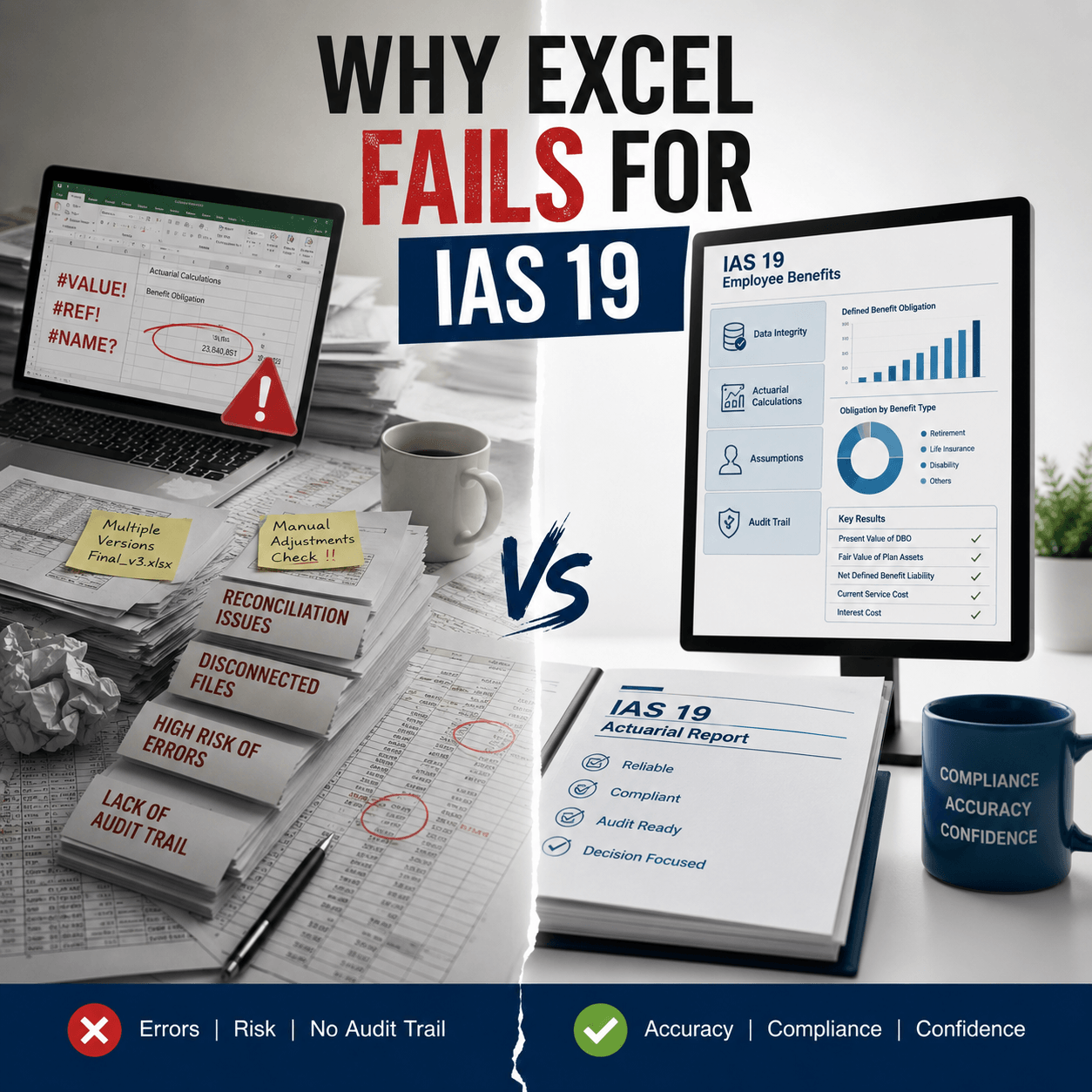
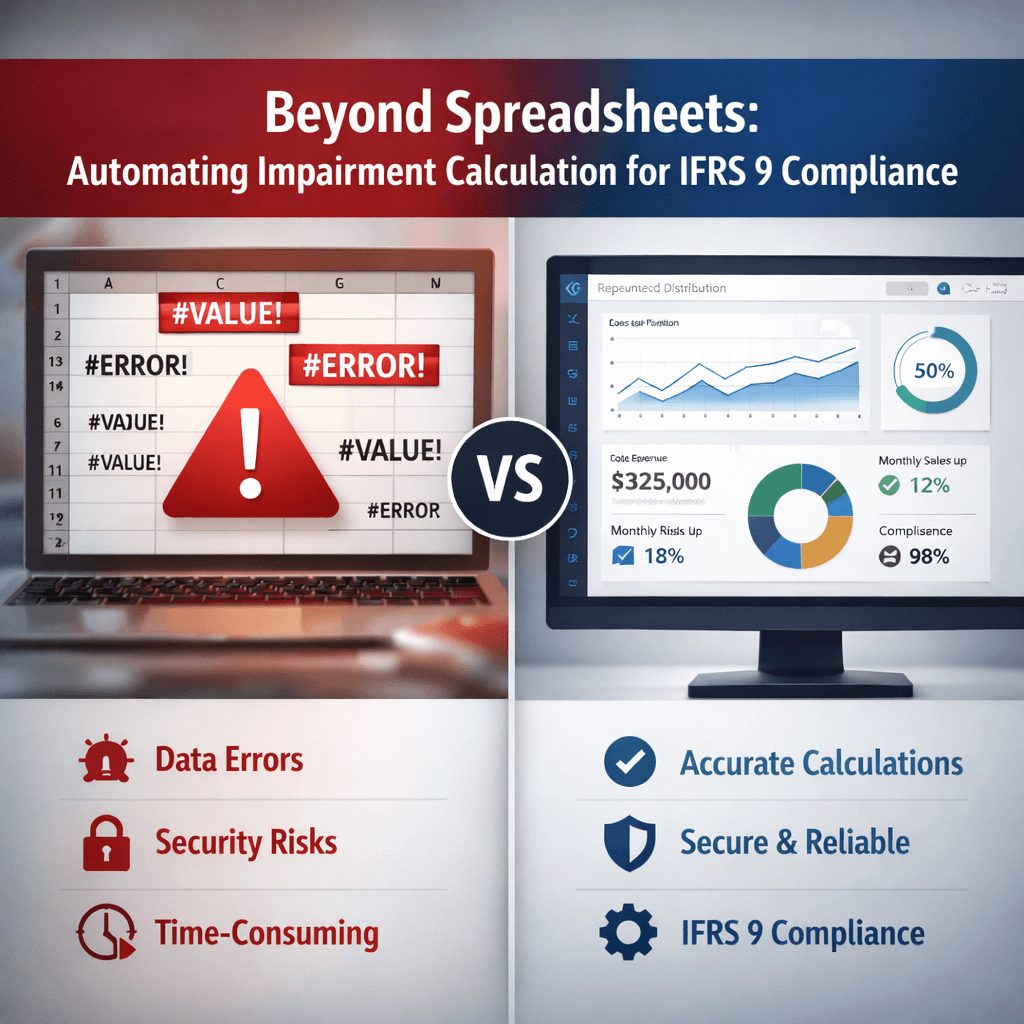
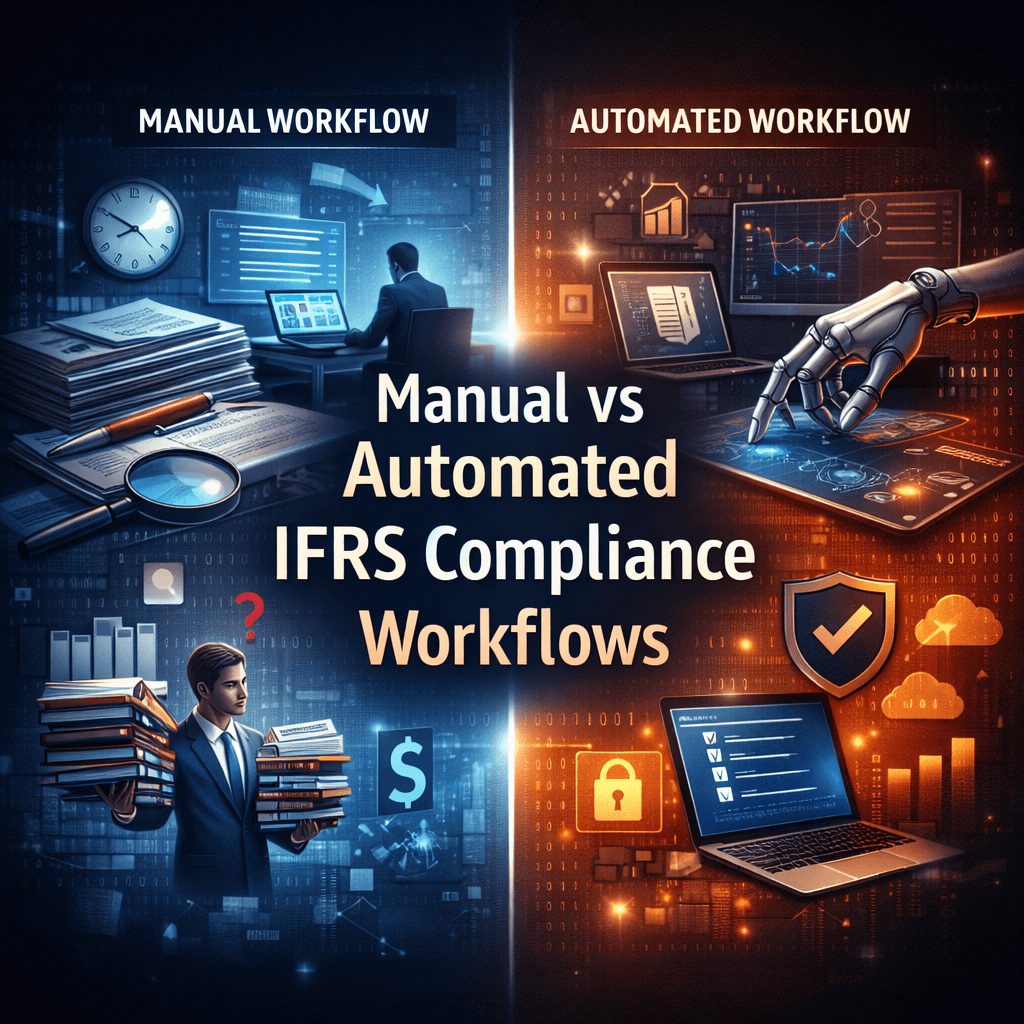
Manual IFRS compliance is not just slow. It’s a liability.
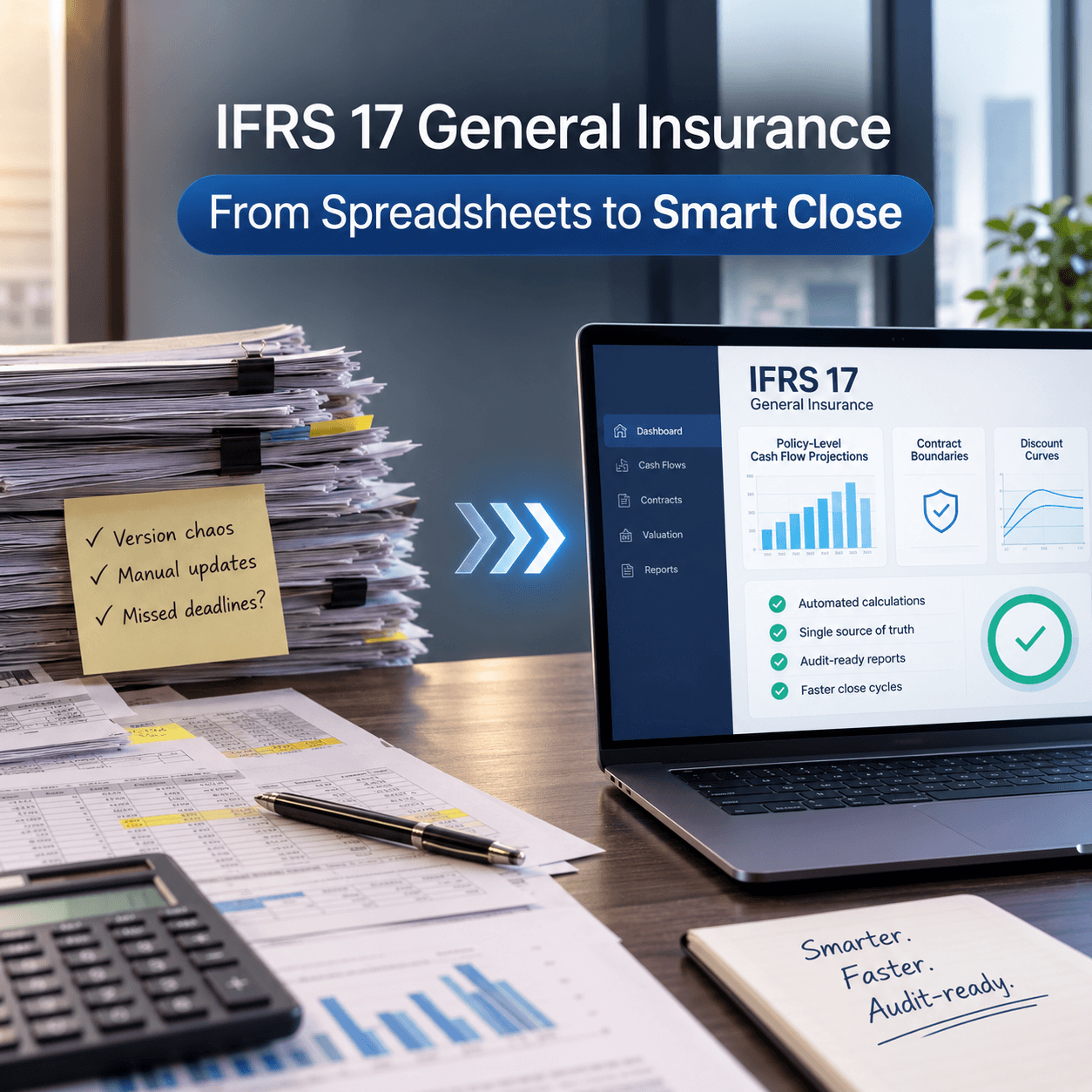
Spreadsheet-driven processes introduce errors at every stage. Period-end closes take longer. Auditors ask more questions. Finance teams spend time fixing data instead of analyzing it.
According to C&R, 82% of companies plan to increase investment in at least one technology to automate and optimize compliance activities in 2025. That number reflects real organizational pressure, not just preference.
At the same time, the compliance data management market is projected to reach $16.6 billion in 2025 C&R. Enterprise buyers are committing real budgets to this because the cost of getting it wrong is too high.
Core Features to Evaluate in IFRS Compliance Technology
Automated Accounting and Calculations
Any platform you’re considering should run calculations automatically, not prompt your team to enter them manually.
This means automatic journal entries, right-of-use asset calculations under IFRS 16, expected credit loss models under IFRS 9, and revenue allocation logic under IFRS 15. These aren’t optional add-ons. They’re table stakes.
If a vendor can’t show you these working live in a demo, move on. You can also review available ifrs software solutions to see how leading platforms handle these calculations before your first vendor call.
Multi-Standard Support (IFRS 15, 16, 9)
A common gap in the market is narrow coverage. Many platforms specialize in one or two standards and leave the rest to manual work.
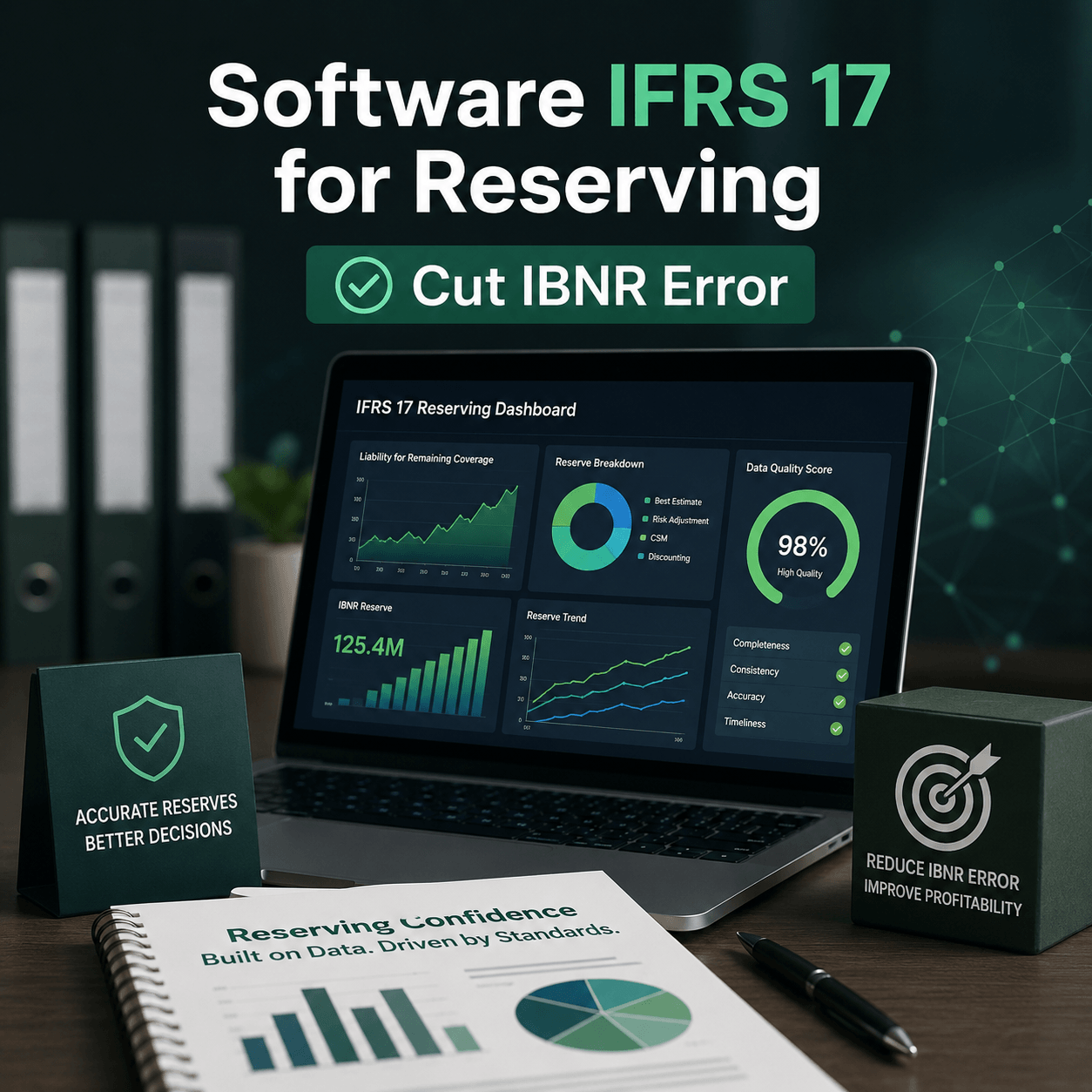
You need a solution that handles IFRS 15 (revenue recognition), IFRS 16 (lease accounting), IFRS 9 (financial instruments), and IFRS 17 (insurance contracts) if relevant to your industry. Ask the vendor directly which standards are fully automated and which require workarounds.
Workarounds today become compliance risks tomorrow.
Real-Time Compliance Monitoring
Static reports aren’t enough for modern finance teams. You need a system that flags exceptions as they happen, not after month-end.
Real-time compliance monitoring means your team gets alerts when a contract modification affects a lease liability, when a revenue allocation changes due to a contract amendment, or when a new asset classification triggers a disclosure requirement.
That kind of visibility changes how quickly your team can respond to audit queries.
Audit Trails and Internal Controls
This is the feature most buyers underestimate until an audit begins.
Every calculation, journal entry, and modification in your IFRS compliance system should be traceable to its source. The audit trail must link each output to its input data, its calculation logic, and the user who triggered or approved it.
Look for role-based access controls alongside audit logging. Finance, tax, and treasury teams need different permission levels. Any platform that gives everyone the same access is already a control weakness.
Advanced Reporting and Disclosures
Decision-stage buyers need reporting features that go beyond basic exports.
You’re looking for customizable dashboards, drill-down capabilities at the account and transaction level, disclosure templates aligned to IFRS requirements, and multi-format export for auditors, boards, and regulators.
If your finance team still has to manually format disclosures after running reports, that’s time wasted and risk introduced. A purpose-built ifrs reporting solution handles disclosure generation automatically, keeping your team focused on review rather than formatting.
Integration and Data Management Capabilities
ERP and Finance System Integration
Your IFRS compliance technology can’t operate in isolation.
It needs to connect directly with your ERP, general ledger, asset management system, and any CRM or billing platform feeding contract data. Without clean integration, your team manually imports and reconciles data between systems, which defeats the purpose of automation.
Ask vendors specifically about their integration architecture. Pre-built connectors for SAP, Oracle, Microsoft Dynamics, and Workday are the standard. Custom API availability matters for organizations with proprietary systems.
Centralized Data Management
Compliance data scattered across systems is a governance problem, not just an operational one.
Your platform should serve as a single source of truth for all IFRS-related data. Lease portfolios, financial instruments, revenue contracts, and disclosure data should live in one place, versioned, timestamped, and accessible to authorized users across entities.
The compliance data management market reaching $16.6 billion in 2025 C&R tells you that organizations have learned this lesson. Centralized data reduces reconciliation time and cuts audit preparation from weeks to days.
Multi-Entity and Multi-Currency Support
If your organization operates across multiple jurisdictions, the platform must handle multi-entity consolidation and multi-currency accounting natively.
That includes functional currency versus presentation currency adjustments, intercompany eliminations, and jurisdiction-specific disclosure variations. Not every vendor supports this at scale. Test it against your actual entity structure before signing.
Security, Risk, and Governance Controls
Data Security and Access Controls
IFRS compliance data is financial data. It carries regulatory, reputational, and legal risk if exposed.
Any platform you choose should have SOC 2 Type II certification at minimum. Data encryption at rest and in transit is non-negotiable. Multi-factor authentication and single sign-on support are standard expectations in 2025.
Access controls should be granular. Your lease accountant shouldn’t see impairment models. Your external auditor shouldn’t have write access. If the vendor can’t demonstrate this level of control in a demo, that’s a red flag.
Regulatory and SOX Compliance Support
IFRS compliance doesn’t exist in isolation from other regulatory requirements.
If your organization files with the SEC, SOX internal controls apply to your financial reporting process. Your IFRS compliance platform should support SOX documentation requirements, including control activity logging, segregation of duties, and evidence management.
Ask the vendor how their system supports your external auditor’s access needs without compromising internal control integrity.
Scalability and Performance Considerations
Cloud vs On-Premise Deployment
56% of enterprises will have shifted compliance systems to the cloud by July 2025 C&R. That trend reflects a real preference for scalability, lower infrastructure cost, and faster deployment timelines.
That said, regulated industries in certain jurisdictions may still require on-premise deployment for data residency reasons. Know your requirements before the vendor conversation. Some platforms offer both models. Others are cloud-only.
Cloud deployments typically mean faster implementation, automatic updates, and lower total cost of ownership. On-premise deployments offer more control but require dedicated IT resources.
Handling High-Volume Transactions
If you manage a large lease portfolio, thousands of revenue contracts, or complex financial instrument positions, transaction volume matters.
Ask vendors directly: how many records does your platform process per batch? What’s the performance at scale? Can you demonstrate processing times with a dataset comparable to ours?
Platforms that perform well in demos but slow significantly at scale are a common source of post-implementation regret.
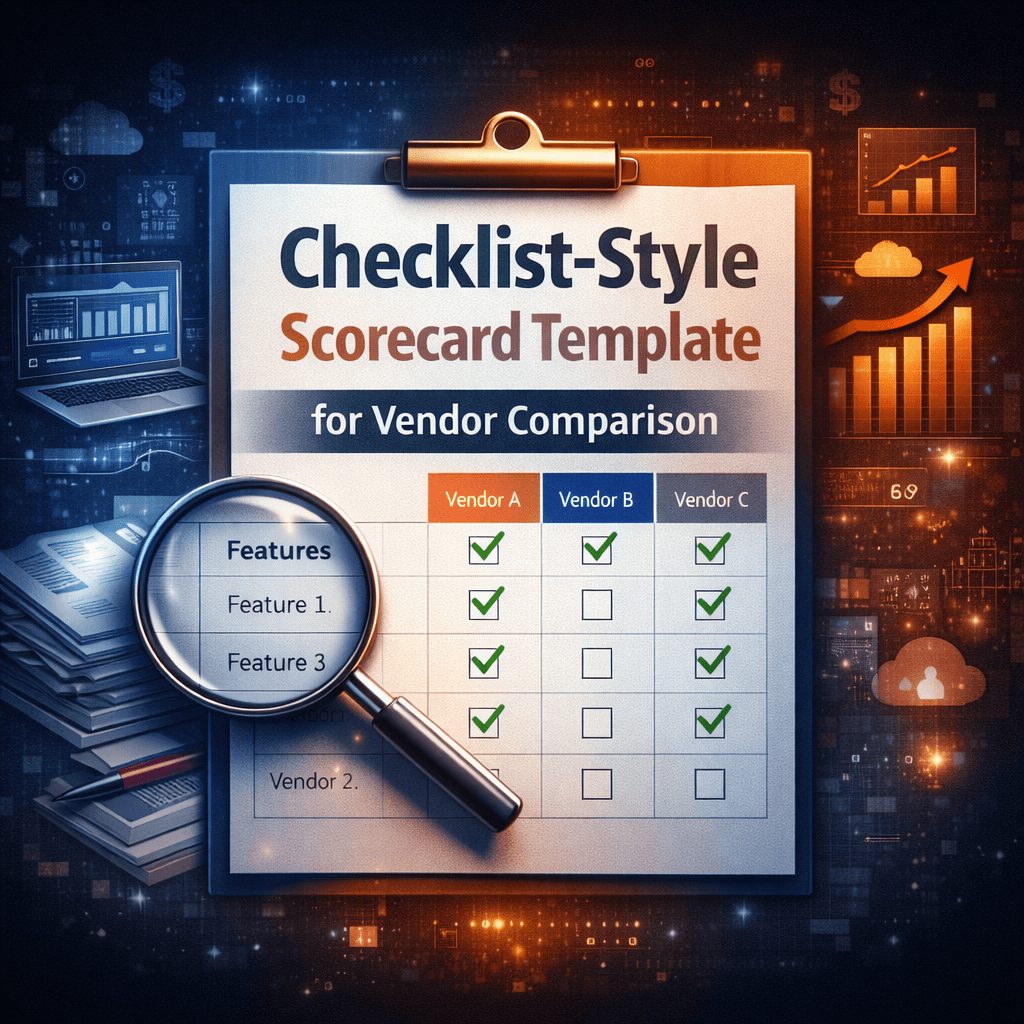
Vendor Evaluation Checklist for 2025
Implementation Approach and Timeline
How a vendor implements the platform tells you a lot about how they’ll support you after go-live.
Ask for a detailed implementation plan. Understand whether they use a phased rollout or a full cutover approach. Find out how they handle data migration from your current systems. Get references from clients who went through implementation in the past 18 months.
Watch for vague timelines. A credible vendor gives you a week-by-week project plan, not a general estimate.
Customer Support and Training
After implementation, your team will hit questions. The difference between a good and a poor vendor experience often comes down to support quality.
Ask about response time SLAs for critical issues. Find out whether support is available in your time zone. Understand what training is included versus what’s billable.
Platforms with dedicated customer success managers and structured onboarding programs tend to have higher user adoption rates and shorter time-to-value.
Total Cost of Ownership and ROI
Licensing fees are only part of the cost. Implementation, training, customization, and ongoing support fees add up quickly.
Ask the vendor for a full total cost of ownership model over three years. Compare that against the cost of your current manual process, including staff time, audit preparation costs, and error correction. The ROI calculation usually favors automation significantly, but you need the full picture before committing.
Pricing models vary: per-user licensing, transaction-based fees, flat annual subscriptions, or module-based pricing. Understand what’s included in each and what triggers additional costs.
Common Challenges When Selecting IFRS Technology
Most vendor selection mistakes come from the same few places.
First, teams assess features without testing them against real data. A vendor demo using sample data tells you nothing about performance with your actual lease portfolio or contract complexity.
Second, buyers focus on current needs and miss future ones. Your organization will grow. Your platform needs to grow with it. Ask about the vendor’s product roadmap and recent release history.
Third, integration is underweighted in the assessment. The best accounting engine in the world fails if it can’t pull clean data from your ERP. Essential integration for ifrs compliance services should be a primary evaluation criterion, not a secondary check.
Future Trends in IFRS Compliance Technology
AI and Machine Learning in Financial Reporting
AI is changing how IFRS compliance platforms process and flag data.
Machine learning models can now identify anomalies in lease classifications, flag inconsistencies in revenue contract inputs, and predict expected credit losses with greater precision than manual models. According to PwC, AI adoption in finance functions is accelerating, with organizations prioritizing use cases that reduce manual review cycles.
For IFRS compliance specifically, AI-assisted classification and disclosure generation are moving from experimental to production-ready in leading platforms.
Automated Financial Statement Validation
The next step beyond automated calculations is automated validation.
Newer platforms now cross-check financial statement outputs against internal data before disclosures are finalized. This catches mismatches between the balance sheet, notes, and supporting schedules without manual review.
For organizations with complex multi-entity structures, this validation layer reduces the risk of disclosure errors that only surface during audit fieldwork.
Frequently Asked Questions
How do you choose the right IFRS compliance software?
Start with your standards coverage requirements. Identify which IFRS standards your organization reports under and confirm the platform supports all of them with full automation, not partial coverage.
Then test integration with your existing systems, review audit trail capabilities, and ask for references from organizations of similar size and complexity. Pricing model, implementation timeline, and support quality should round out your assessment.
What features matter most in IFRS reporting tools?
The most important features are audit trail completeness, multi-standard automation, ERP integration depth, and reporting flexibility. These four areas determine whether your team can close faster, respond to auditor queries with confidence, and scale without rebuilding your compliance infrastructure.
Making the Right Call on IFRS Compliance Technology
You’re at the decision stage. That means the research phase is behind you, and the real question is which provider can actually deliver.
The features in this guide aren’t a wish list. They’re a minimum standard for enterprise-grade ifrs compliance technology. Audit trails, multi-standard support, ERP integration, real-time monitoring, and security controls aren’t differentiators. They’re requirements.
What separates the right vendor from the rest is implementation credibility, ongoing support quality, and a pricing structure that reflects your actual needs.
Prima Consulting brings together deep IFRS technical expertise and hands-on implementation experience to help organizations make this decision with confidence. If you’re ready to assess your options or want guidance on vendor selection, connect with the Prima Consulting team at primaconsulting.org today.