TL;DR
Insurers evaluating IFRS 17 software platforms discover why calculators fall short for compliance at scale. These IFRS 17 end-to-end solutions integrate data from actuarial systems, automate GMM and PAA calculations, post journals to your ledger, and generate disclosures with full audit trails—eliminating manual errors and delays in ifrs 17 reporting tools. You gain consistent controls, regulatory readiness, and business insights for multi-entity operations. Ditch fragmented spreadsheets that create audit nightmares. Compare comprehensive IFRS 17 platforms today and streamline your financial close.
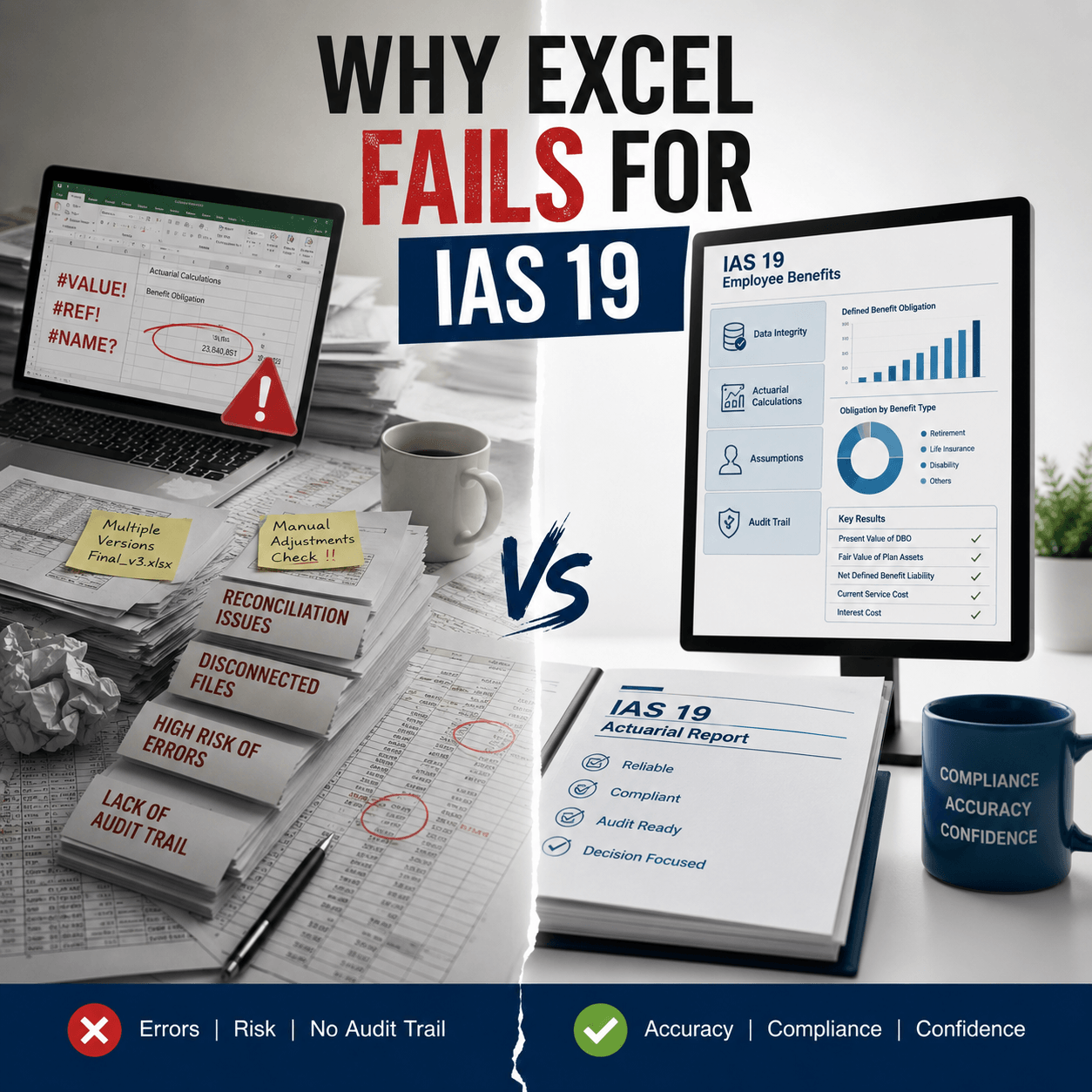
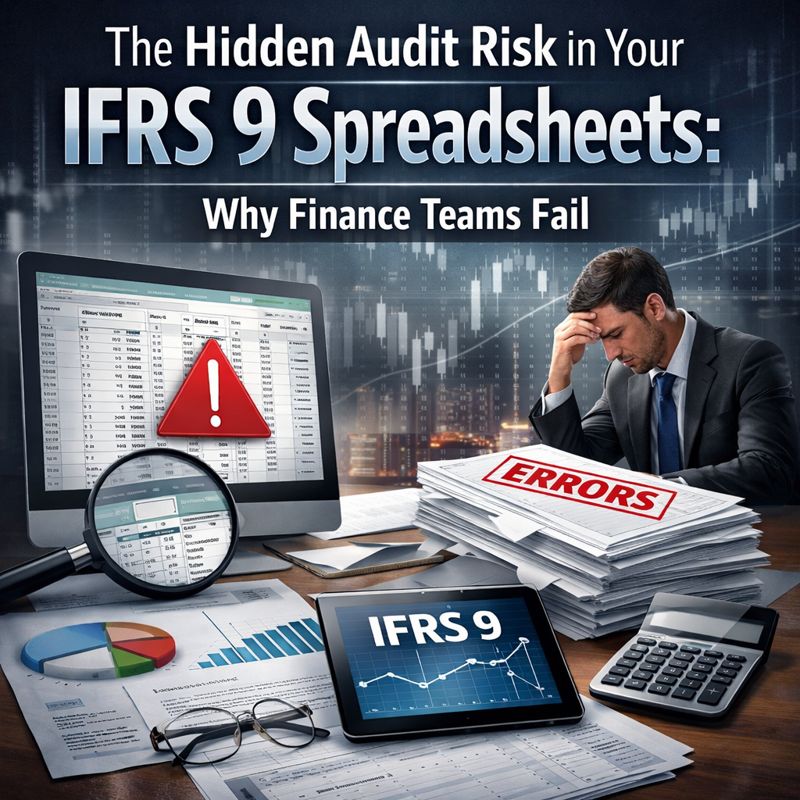
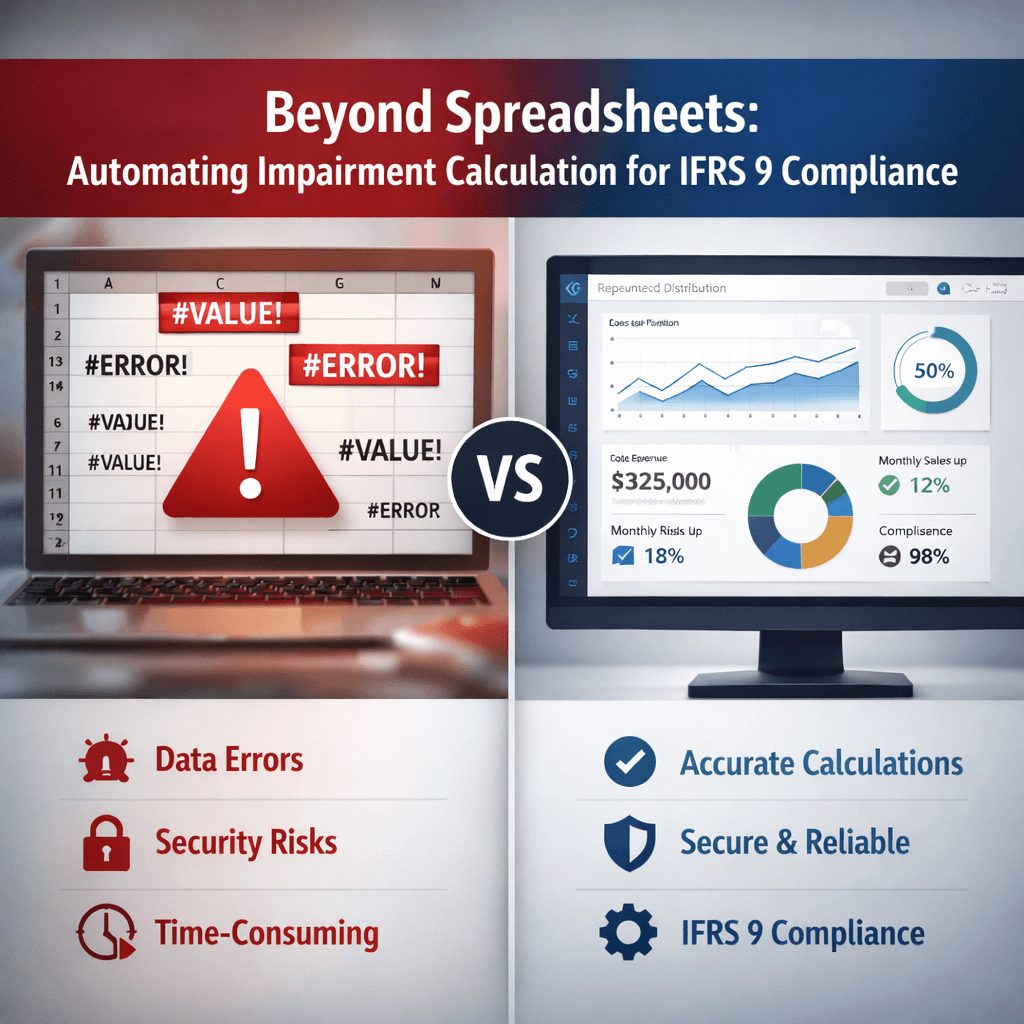
[IMAGE PLACEHOLDER 1: Header image showing a comparison split screen – left side shows spreadsheets with manual calculations (cluttered, error-prone), right side shows integrated software dashboard with automated flows. Visual intent: Immediately establish the problem (manual chaos) and solution (integrated platform efficiency) to hook the reader.]
Most insurers implementing IFRS 17 start with the same approach: grab a calculator tool and build spreadsheet models to handle the calculations. The thinking’s straightforward. A calculator solves the math problem, right? But here’s what actually happens with a basic calculator alone.
You get mountains of data stuck in separate systems, manual controls that create audit nightmares, and reporting cycles that stretch past closing deadlines.
An IFRS 17 software platform, by contrast, connects these pieces into one integrated workflow. By the second or third IFRS 17 annual reporting cycle, the cracks show everywhere in calculator-only approaches.
The real issue isn’t math. It’s that IFRS 17 isn’t just a calculation exercise anymore. It’s your entire financial reporting engine. That’s why an IFRS 17 software platform not just a calculator becomes essential when complexity scales up.
What Is an IFRS 17 Software Platform (Beyond a Calculator)?
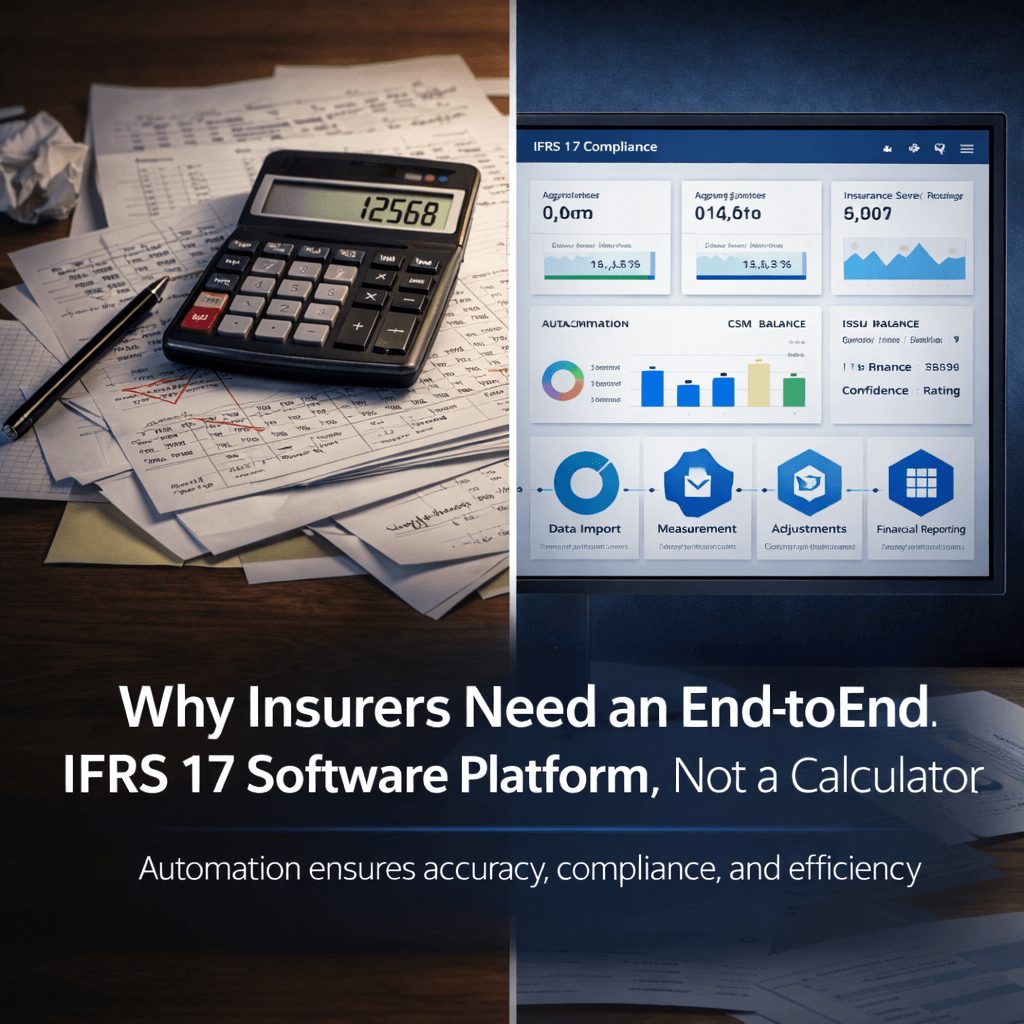
Let’s clarify the difference right away. A calculator tool handles one specific job: computing IFRS 17 measurement model outputs based on inputs you feed it. Feed in contract cash flows, assumptions, and risk adjustments, and you get numbers back. Clean transaction. Done.
An end-to-end IFRS 17 software platform does something fundamentally different. It connects data from your actuarial systems, finance platforms, and legacy databases. It runs the calculations.
Then it posts results to your general ledger, generates audit trails, builds financial statements, and creates regulatory disclosures—all within a single, integrated environment. More importantly, an IFRS 17 software platform enforces controls and governance across every step so that audit and compliance teams can verify exactly what happened, when, and why.
Think of the difference this way: a calculator solves for X. An IFRS 17 software platform solves for X, Y, and Z across your entire financial reporting ecosystem and documents the whole process.
Why Calculators Fail IFRS 17 Compliance at Scale
When you rely on calculator-based approaches, you’re essentially stitching together multiple point solutions. Data flows from actuarial models into a calculator, outputs move to spreadsheets, someone manually posts journal entries to the ledger, another team builds disclosures in separate systems. Each handoff introduces two risks: data loss and control gaps.
In 2024, an analysis of 55 major insurers showed persistent inconsistencies in IFRS 17 application choices and reporting methodologies across entities. Many of those variations stemmed not from intentional accounting differences but from manual processes that allowed the same assumption to be interpreted or calculated differently across divisions. The same risk adjustment formula might produce different outputs depending on which team ran it and how they handled edge cases.
More troubling: manual spreadsheet processes are described by auditors as increasingly problematic for managing IFRS 17’s detailed, judgment-intensive calculations. Moody’s research flags spreadsheet-based IFRS 17 processes as lacking sufficient control frameworks to consistently apply complex rules across thousands of insurance contracts. When auditors find errors in spreadsheets during year-end reviews, fixing them becomes a compounded problem you don’t just correct one cell; you trace back to understand if the error propagated to other calculations, assumptions, or disclosures.
That complexity multiplies if you operate across multiple regions or currencies. A single contract with boundary or measurement model judgment calls might be interpreted differently in Pakistan versus the GCC, creating consolidation nightmares.
Core Capabilities of an End-to-End IFRS 17 Software Platform
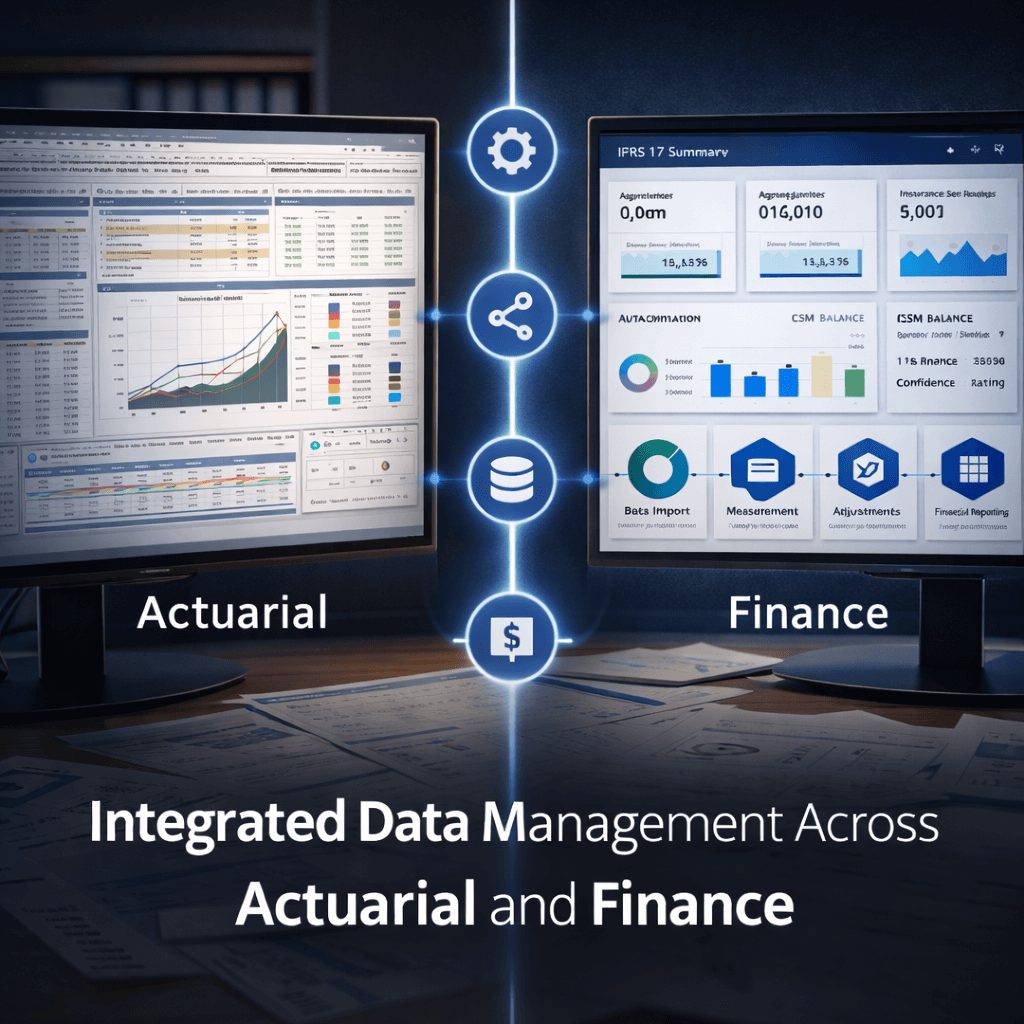
Integrated Data Management Across Actuarial and Finance
The first critical capability is pulling together contract-level data from disparate sources. Most insurers hold policy information in legacy actuarial systems, reinsurance data in separate platforms, and claims or expense information across multiple systems. A proper IFRS 17 platform ingests all of that data, validates completeness and accuracy, and creates a unified contract repository.
This matters because IFRS 17 calculations depend on precise contract boundaries, cash flow timing, and historical claims. If your calculator tool can’t automatically sync when a contract is renewed or a claims pattern shifts, you’re back to manual updates. Every manual update is a control point that requires checking, approving, and auditing. Automation cuts that friction significantly.
Automated IFRS 17 Calculations and Measurement Models
A real platform handles all three IFRS 17 measurement models: the General Measurement Model (GMM), the Premium Allocation Approach (PAA), and the Variable Fee Approach (VFA). Not just one of them. Your portfolio likely contains contracts eligible for different models—long-duration business under GMM, short-term general insurance under PAA, investment-linked policies under VFA.
The IFRS 17 software platform automatically determines which model applies to each contract, applies the right cash flow projections and discount rates, calculates the Contractual Service Margin or loss component, and computes risk adjustments.
It handles portfolio segmentation rules, contract boundary judgments, and the accounting mechanics of service revenue recognition. More importantly, an effective IFRS 17 software platform documents all of those decisions so auditors can trace every calculation backward to source data and assumptions.
Subledger, Journals, and Financial Close Integration
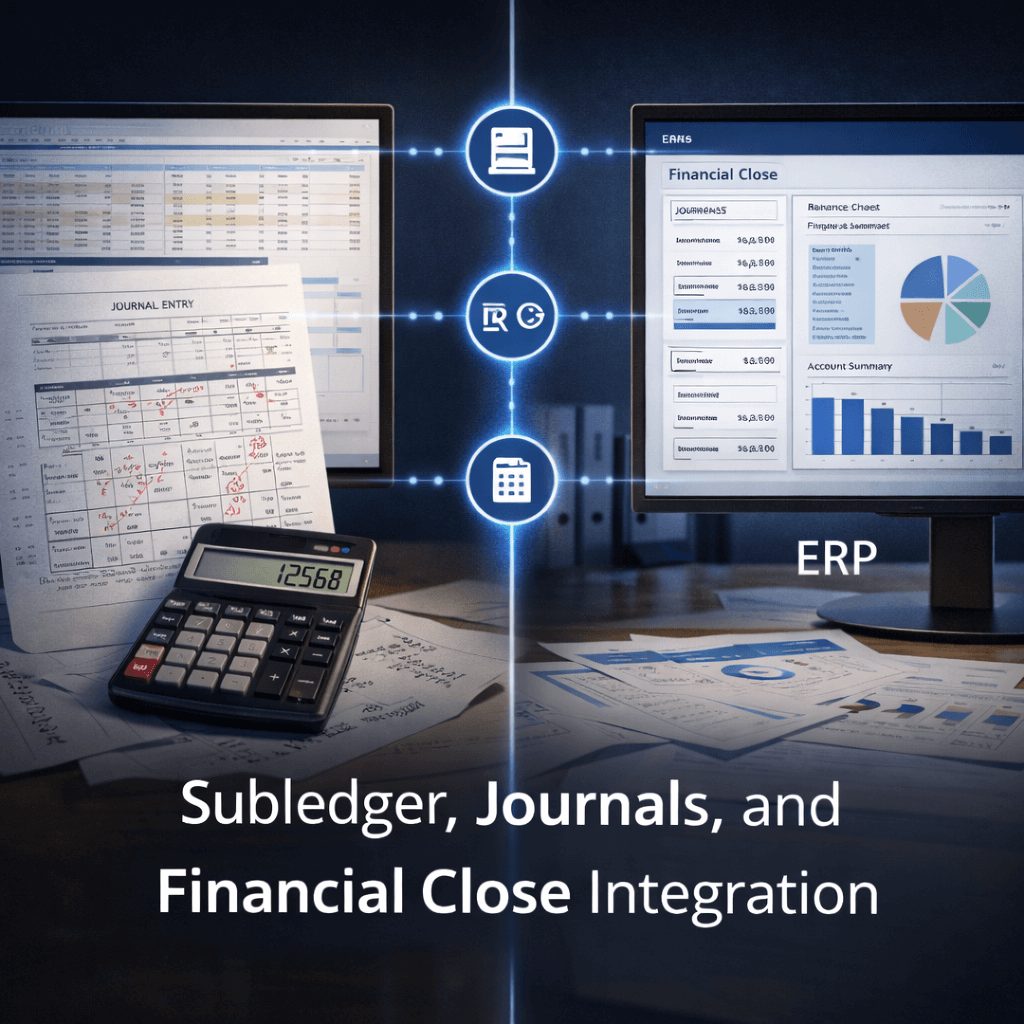
Here’s where calculators truly break down. Once you’ve got your IFRS 17 numbers, someone has to post them to the general ledger. That person (or team) needs to understand the accounting structure—which GL accounts, cost centers, entities, and dimensions apply.
They need to build journal entries that reconcile back to your trial balance. They need to handle monthly closes, year-end adjustments, and consolidations across subsidiaries.
A proper platform automates this entire workflow. It doesn’t just calculate numbers; it generates the journal entries automatically based on accounting rules you configure. Every posting is linked back to the contract and calculation that produced it, creating an unbroken audit trail. When your auditors ask,
“Why did this GL account have this balance on this date?”
you can show them the exact path: contract data -> calculation -> assumption -> journal entry -> GL posting.
IFRS 17 Reporting, Disclosures, and Audit Traceability
IFRS 17 disclosures are notoriously detailed. You need reconciliations between opening and closing balances for insurance liabilities and assets, breakdowns by measurement model and contract type, sensitivity analysis for key assumptions, and narrative explanations of judgment calls. Building these in spreadsheets or manual word documents is tedious and error-prone.
An end-to-end platform generates these outputs automatically by extracting data from your calculation engine. It reconciles opening balances to closing balances, builds the required tables, and flags inconsistencies or incomplete data. More critically, it maintains an audit trail showing exactly which contracts, assumptions, and calculations produced each disclosure number. Auditors can drill down from a disclosure figure all the way back to individual contract details.
How IFRS 17 Software Platforms Support the Full Value Chain
Actuarial Modeling and Assumptions Management
Actuarial teams manage hundreds of assumptions: mortality, lapse rates, expense inflation, discount rates, risk adjustments. In a fragmented environment, those assumptions live in different systems, spreadsheets, and models. When market conditions change interest rates spike, claims patterns shift—updating assumptions becomes a coordination nightmare.
A platform provides a centralized assumptions registry. Actuaries set assumptions once, and they flow automatically through all relevant calculations. If a discount rate changes, every calculation that depends on that rate recalculates automatically.
No more searching for spreadsheets or wondering if one team forgot to update a critical assumption. That centralization also makes model validations cleaner; you’re testing assumptions once, not multiple times across different tools.
Risk, Finance, and Performance Reporting Alignment
Finance teams need to understand the drivers behind IFRS 17 results. Why did insurance service result increase? Was it better earned margins, fewer losses, or more favorable assumption changes? Risk teams need to assess portfolio performance against expected outcomes.
Treasury needs insights on cash flows and reinsurance asset values for liquidity planning.
A unified platform gives all these teams access to the same calculation logic and consistent data. Finance can run IFRS 17 P&L analysis. Risk can model capital impacts. Treasury can forecast cash flows. Everyone’s working with the same numbers, reducing reconciliation work and improving confidence in reported results.
Key Challenges Insurers Face Without a Unified IFRS 17 Platform
Data Fragmentation and Manual Controls
When data lives in separate systems, syncing becomes complicated. Actuarial systems hold one version of contract cash flows, claims systems hold another, and reinsurance platforms hold a third. Merging these into a single calculation requires manual extracts, transformations, and checks. Even then, someone has to verify the data quality before the calculations run.
More than half of insurers that implemented IFRS 17 in 2023 were unprepared to run business planning and P&L projections based on IFRS 17 results. Why? Because their data integration was so fragmented that pulling together consistent information for forward-looking analysis took weeks.
Understanding IFRS 17 software data challenges becomes critical when you realize how much manual work calculator-only approaches demand. An IFRS 17 software platform, however, solves this by automating data integration from the start.
Audit Risk and Regulatory Scrutiny
Auditors are scrutinizing IFRS 17 implementations closely. They’re looking for strong controls, documented assumptions, and traceability from reported numbers back to source data. Spreadsheet-based approaches struggle here.
How do you prove that a number in a spreadsheet came from a specific calculation and wasn’t manually edited? How do you track which version of an assumption was used? How do you show that manual controls were applied consistently?
An integrated platform with built-in audit trails answers these questions immediately. Every number can be traced back to a specific contract, calculation, and assumption. Every change is timestamped and logged. Auditors can validate controls more efficiently because they can see the entire process in one system.
Scalability Issues for Multi-Entity and Multi-GAAP Reporting
Large insurers operate across multiple entities, geographic regions, and sometimes multiple accounting standards. Building a portfolio of IFRS 17 calculators means managing separate tools for each entity or standard variation. When corporate policies change or new guidance is issued, updating becomes a sprawling project affecting multiple systems.
A centralized IFRS 17 platform scales this differently. You can model different entities, currencies, and accounting choices all within a single system. Update a policy once; it cascades across all affected entities. Generate consolidated reports that automatically inter-company eliminate and translate currencies.
This scalability matters especially for regional insurers managing IFRS 17 implementation across Pakistan, the GCC, and other markets with overlapping but distinct regulatory requirements.
IFRS 17 Software Platform vs. Calculator: A Practical Comparison
Here’s the practical reality. A calculator solves the math. But IFRS 17 isn’t math—it’s governance, controls, integration, and auditability. You need an IFRS 17 software platform that can handle contract-level complexity, enforce consistent application of rules, post results reliably, and prove it all to regulators.
A calculator requires you to build everything around it: data validation processes, posting procedures, disclosure templates, audit documentation. You own the responsibility for connecting the dots. An IFRS 17 software platform builds those connections into the system, so control and governance happen by design, not by human effort.
The second difference is future-proofing. Regulatory guidance on IFRS 17 continues to evolve. The IASB has clarified rules on contract boundaries, issued guidance on reinsurance, and addressed industry-specific questions. A calculator freezes the logic at the moment you build it.
Updating it means changes to multiple formulas and assumptions. An IFRS 17 software platform can be updated once to reflect new guidance, and all users benefit immediately.
Essential Features to Look for in an IFRS 17 Software Platform
The IFRS 17 software platform should automate the end-to-end workflow: data ingestion, validation, calculation, posting, disclosure, and audit trail generation.
It should enforce segregation of duties, actuaries set assumptions, finance teams post journals, controllers approve closes without bottlenecking the process. Built-in controls should validate that calculations are complete, consistent, and accurate before any posting happens.
Look for systems that let you define rules once and apply them consistently. If your policy is that PAA contracts use simplified discount rates while GMM contracts use detailed curves, an IFRS 17 software platform should enforce that rule automatically and log when exceptions occur.
Comparing options can feel overwhelming, so consulting an IFRS 17 software vendor shortlist helps narrow your evaluation to platforms that meet these core requirements.
Automation, Controls, and Governance
The IFRS 17 software platform should automate the end-to-end workflow: data ingestion, validation, calculation, posting, disclosure, and audit trail generation. It should enforce segregation of duties—actuaries set assumptions, finance teams post journals, controllers approve closes without bottlenecking the process. Built-in controls should validate that calculations are complete, consistent, and accurate before any posting happens.
Look for systems that let you define rules once and apply them consistently. If your policy is that PAA contracts use simplified discount rates while GMM contracts use detailed curves, an IFRS 17 software platform should enforce that rule automatically and log when exceptions occur.
Cloud Scalability and Future-Proof Architecture

IFRS 17 platforms should be built on modern cloud infrastructure that scales as your data grows. Legacy on-premises systems often struggle with the volume and granularity of contract-level data that IFRS 17 demands. Cloud platforms can partition data, parallelize calculations, and spin up resources on demand meaning your monthly close doesn’t slow down just because you added a new reinsurance portfolio.
Also check whether the platform is architected to adapt. Can you add new measurement models, adjust judgment logic, or incorporate new regulations without rebuilding core systems? Platforms designed for flexibility survive regulatory changes and business evolution better than point solutions.
Transparency, Explainability, and Audit Readiness
Every platform makes choices about how to handle edge cases, contract boundaries, and calculation methodologies. You need to understand those choices. Can the platform explain why a specific contract was placed in PAA versus GMM? Can it show you the exact assumptions used for a particular portfolio? Can auditors pull the full audit trail for any reported number?
Platforms that excel here provide dashboards showing what assumptions are in use, drill-down capabilities from any reported figure back to source data, and automated audit workpaper generation. This transparency doesn’t just satisfy auditors; it builds confidence internally that IFRS 17 numbers are reliable.
How an End-to-End IFRS 17 Platform Enables Business Transformation
IFRS 17 implementation forces insurers to rethink how they measure profitability and manage contracts. A platform accelerates that transformation by giving you fast, reliable insights. Once your IFRS 17 data is automated and integrated, you can analyze it. Which contracts are most profitable on an IFRS 17 basis? What’s the sensitivity of earnings to different assumption changes? How does your portfolio perform against expectations over time?
With calculator based approaches, you’re still in the data extraction phase in month two of your close. With a platform, you’re completing the close on schedule and moving to analysis.
You can run scenario analysis for pricing, test capital impacts of business decisions, and build forward looking financial plans based on IFRS 17. That capability becomes a strategic advantage you’re not just complying with a standard; you’re using it as a lens to improve decision-making.
When to Move from IFRS 17 Calculators to a Full Platform
Most insurers start with calculators because they’re cheaper upfront and seem simpler. But the total cost of ownership tells a different story. A calculator plus the spreadsheets, manual processes, and headcount dedicated to integration and controls often costs more than a modern platform by year two or three.
More critically, the manual costs grow as your portfolio becomes more complex new business lines, reinsurance treaties, regulatory changes all add friction to calculator-based processes.
The right time to move is typically when you realize that your current approach isn’t scaling. Maybe it’s when your monthly close stretches past your target deadline. Maybe it’s when your auditors flag control weaknesses. Maybe it’s when you want to run forward looking analysis but lack confidence in data quality. These are all signals that you’ve outgrown the calculator approach.
Key Takeaways for Insurance Leaders Evaluating IFRS 17 Technology
An IFRS 17 software platform isn’t just a better calculator. It’s a foundation for integrated financial reporting, consistent controls, and strategic insights. When evaluating options, focus on three things: Can the platform handle your full technical scope (all three measurement models, your contract complexity, your entity structure)?
Can it deliver the controls and transparency your auditors and regulators demand? And can an IFRS 17 software platform scale with your business and adapt as guidance evolves?
Calculators solve for one piece of the puzzle. An IFRS 17 software platform solves for the whole picture. Your IFRS 17 implementation will run for years; the technology you choose today shapes how efficiently you manage it, how confidently you report results, and how well you can use IFRS 17 insights to drive better decisions.
Frequently Asked Questions
What’s the difference between IFRS 17 software and a simple calculator tool?
A calculator handles one job: computing measurement model outputs. Software handles the full workflow—data integration, calculations, posting to the ledger, disclosure generation, and audit trail documentation. Software enforces controls and consistency across the entire process.
Can we start with a calculator and upgrade to a platform later?
You can, but it typically requires rebuilding processes. By year two of IFRS 17 adoption, many insurers find that their calculator investments don’t port cleanly to platform environments. Starting with a platform avoids rework.
How do IFRS 17 platforms handle contract boundary judgments?
Quality platforms let you define contract boundary rules once, then apply them consistently across your portfolio. They document the rules applied to each contract and log exceptions so auditors can understand your approach.
Do we need a dedicated IFRS 17 platform, or can ERP systems handle it?
Most general ERP platforms lack specialized capabilities for insurance contract measurement. They can hold GL data and run standard accounting workflows, but they struggle with contract-level granularity, complex IFRS 17 mechanics, and regulatory disclosure requirements. A dedicated platform paired with your ERP is a more common approach.
What’s the typical implementation timeline?
Implementation depends on portfolio complexity, data readiness, and system integration requirements. Most insurers plan 6-12 months from vendor selection to first close. Cleaner data environments and simpler portfolios can move faster.
Ready to Strengthen Your IFRS 17 Reporting Foundation?
IFRS 17 is here to stay. The technology you choose shapes how efficiently and confidently you manage compliance for years ahead. Prima Consulting has guided dozens of insurers through IFRS 17 implementation and transformation. We combine deep accounting expertise with practical technology knowledge to help you find the right solution for your business.
Learn how Prima Consulting approaches IFRS 17 technology strategy and explore how an integrated platform can strengthen your financial reporting, reduce audit risk, and unlock new business insights.