TL;DR
Choosing the right IFRS financial reporting software system requires more than a demo. This guide walks you through 10 critical evaluation questions covering multi-standard support, automation depth, integration capabilities, audit trail strength, security posture, and total cost of ownership. Learn how to vet an IFRS system for multiple standards, identify real compliance gaps in vendor claims, and separate platforms built for enterprise complexity from ones that sound good on slides. Use these questions to accelerate your decision and avoid costly implementation surprises.
IFRS Financial Reporting Software System: 10 Questions to Ask Before You Buy
The cost of choosing the wrong IFRS financial reporting software system goes beyond price. You risk broken audit trails, regulatory scrutiny, failed month-end closures, and teams stuck in spreadsheet chaos. Getting it right means automated controls, cross-standard consistency, and audit-ready outputs month after month.
If you’re responsible for financial reporting at a mid-market or enterprise organization, you know the stakes. Your software isn’t just a tool, it’s a control mechanism. This guide walks you through 10 critical questions that separate platforms built for real complexity from ones that sound good in a demo.
What Is IFRS Financial Reporting Software System?
IFRS financial reporting software system is a platform designed to manage the technical accounting, data management, and disclosure generation workflows required under International Financial Reporting Standards. Unlike general accounting systems, IFRS software is built for multi-standard support, multi-entity consolidation, complex disclosures, and audit trail precision.
The core job is simple: take raw financial data from ERP systems, lease modules, revenue recognition engines, and other sources, then transform it into compliant, auditable IFRS reports and notes. On top of that, the software must handle the operational side-validations, workflow approvals, version control, and data lineage tracking.
Most modern IFRS platforms operate as a centralized hub. They sit above legacy systems (ERP, consolidation tools, lease accounting modules) and pull in standardized data feeds via APIs. From there, they enforce consistent calculation rules, produce disclosure packages, and create audit trails that regulators and internal auditors can verify.
Why Do Companies Need IFRS Financial Reporting Software System?
The market for financial reporting software is growing fast. Globally, the financial reporting software market size in 2025 is projected at USD 12.292 billion. That growth reflects real pain.
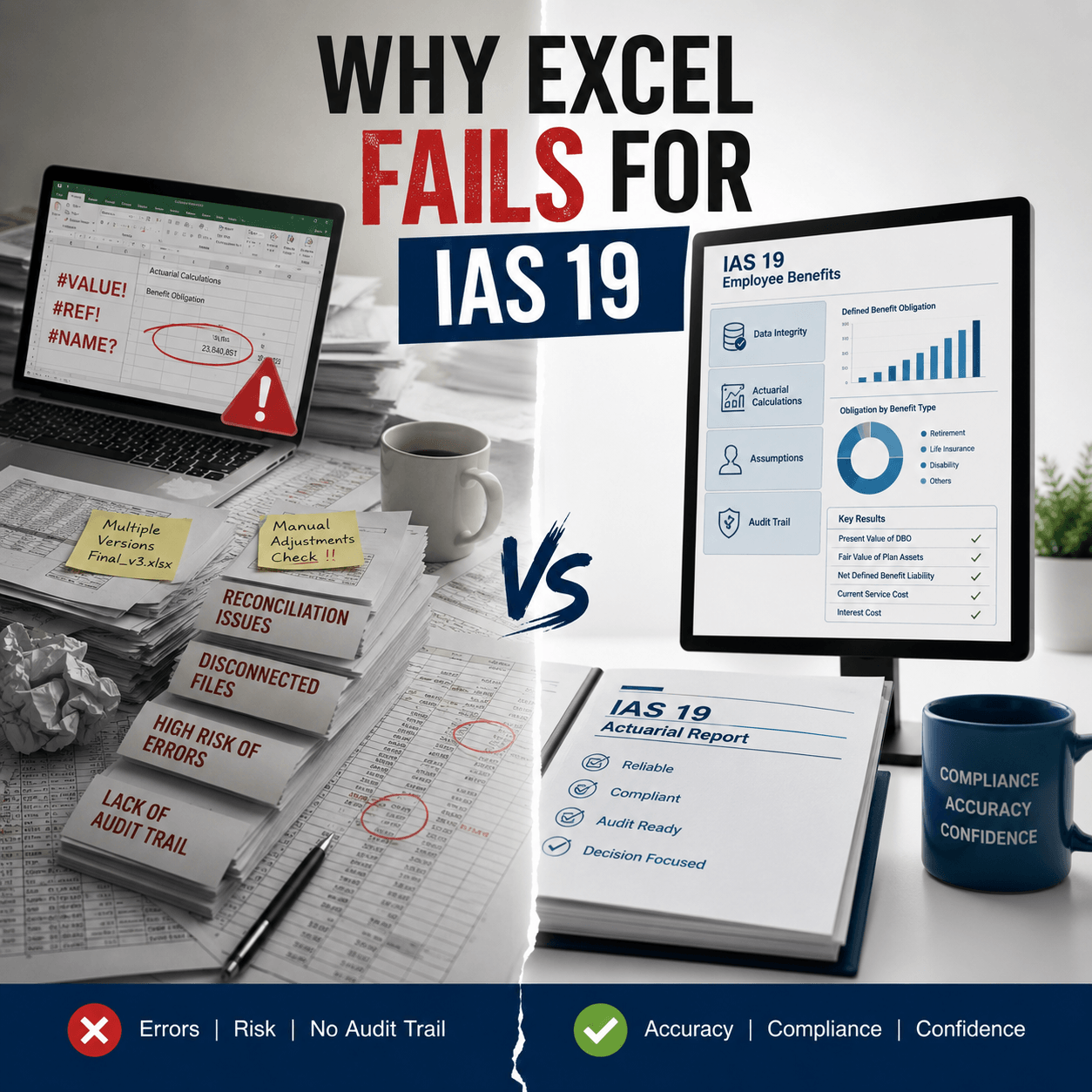
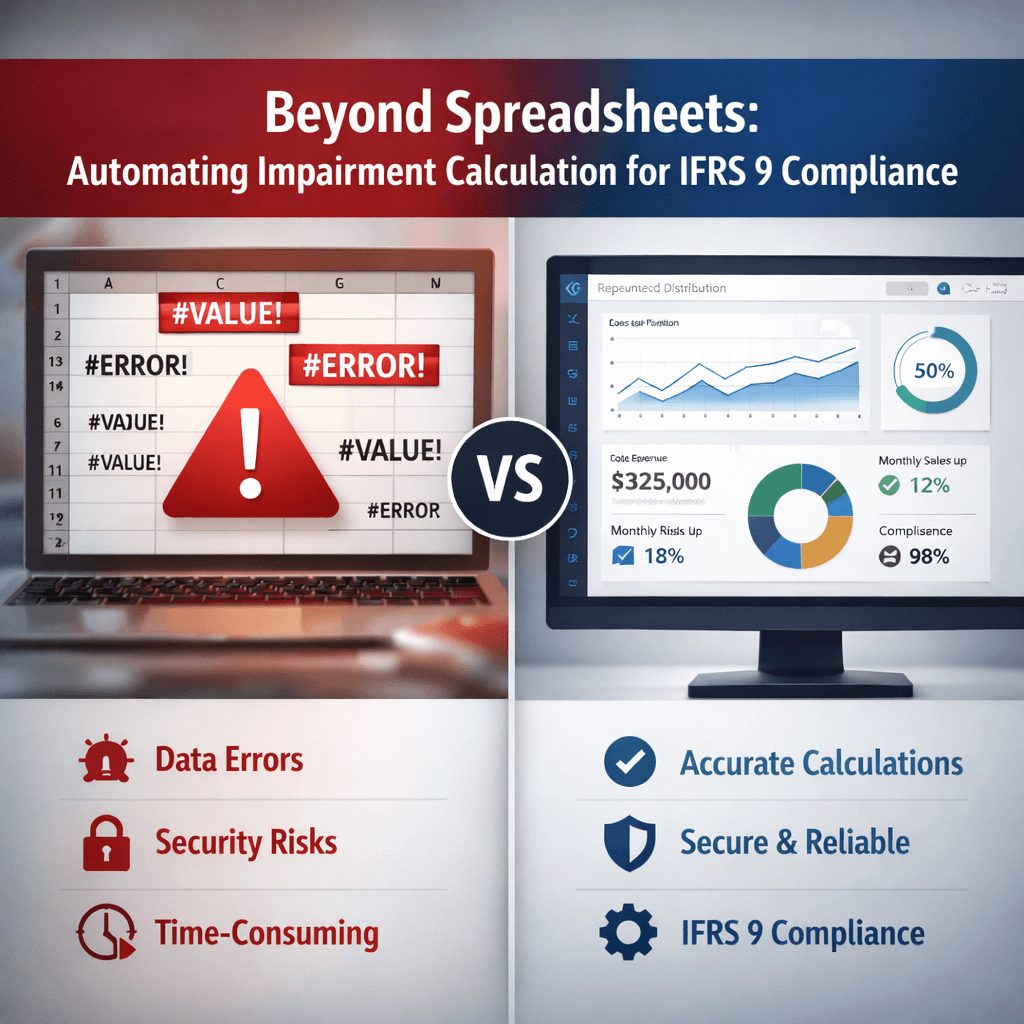
Here’s the reality: spreadsheet-based financial reporting breaks down at scale. You face manual data entry errors, broken version control, audit compliance gaps, and teams working in silos. When you have multiple entities, multiple jurisdictions, and multiple reporting standards (IFRS vs local GAAP, for example), the complexity compounds.
Beyond that, 57% of IFAC member jurisdictions have adopted IFRS as of December 31, 2023. Many organizations now report under IFRS while also maintaining local GAAP schedules. That’s not optional-it’s regulatory. Without the right platform, you’re managing two separate financial worlds in Excel.
IFRS software addresses this by centralizing data, automating calculations, and enforcing controls. You get:
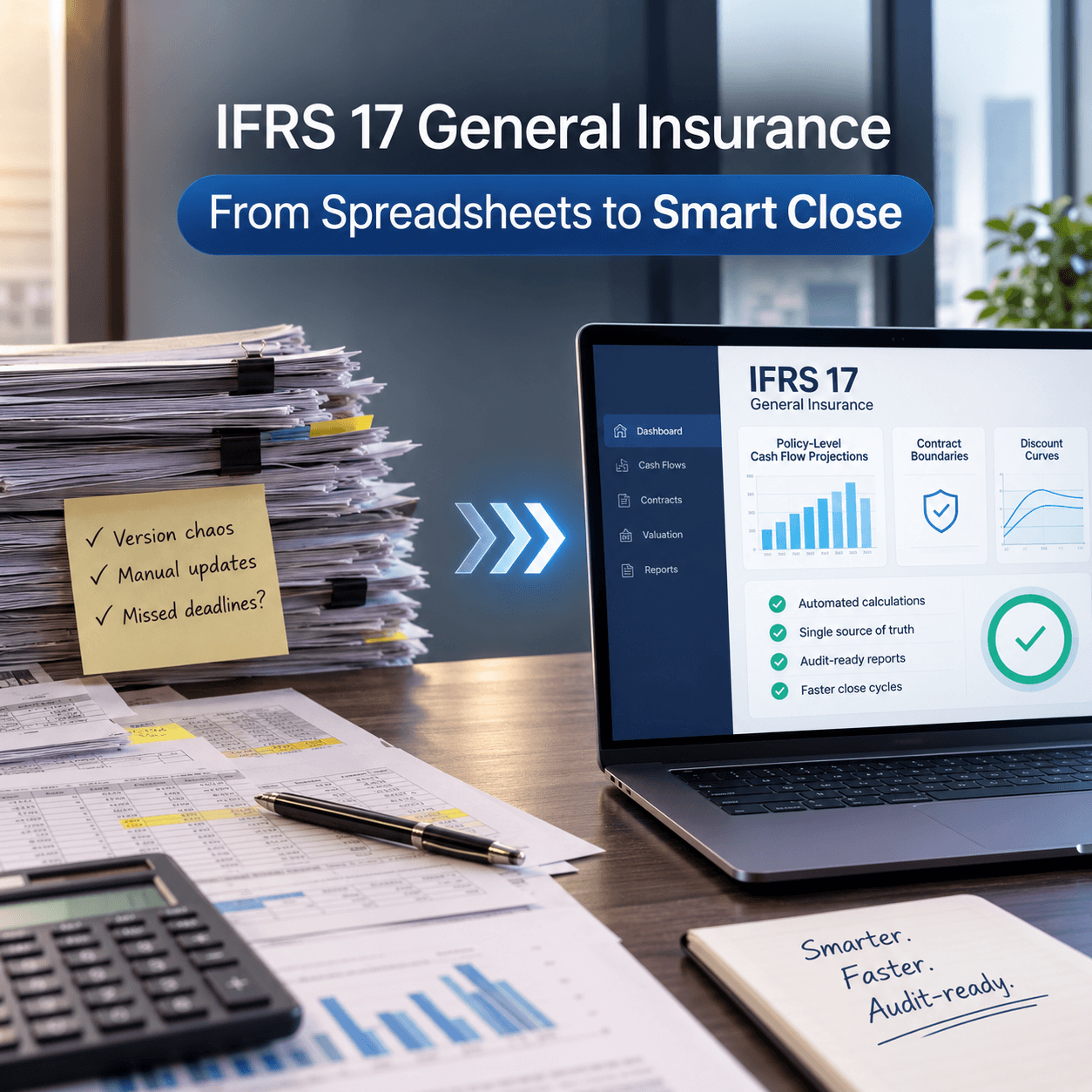
Reduced manual work and spreadsheet dependency. Month-end closure time drops. Audit preparation becomes data-driven, not scrambling for documentation. Your team moves from data compilation to analysis and interpretation.
Regulatory confidence. Regulators and auditors want to see audit trails, approval workflows, and clear data lineage. Modern IFRS platforms log every change, every approval, and every discrepancy. That builds trust.
Cross-standard consistency. If you report under IFRS and local GAAP, the software ensures numbers reconcile between standards. No surprises. No reconciliation gaps that blow up in audit.
10 Questions to Ask Before Buying IFRS Software
The following 10 questions form a decision framework. Use them in vendor demos, RFPs, and technical deep dives. The gaps in competitor answers often reveal the platform’s weaknesses.
Does the software support all the IFRS standards you need, including multiple local GAAP variations?
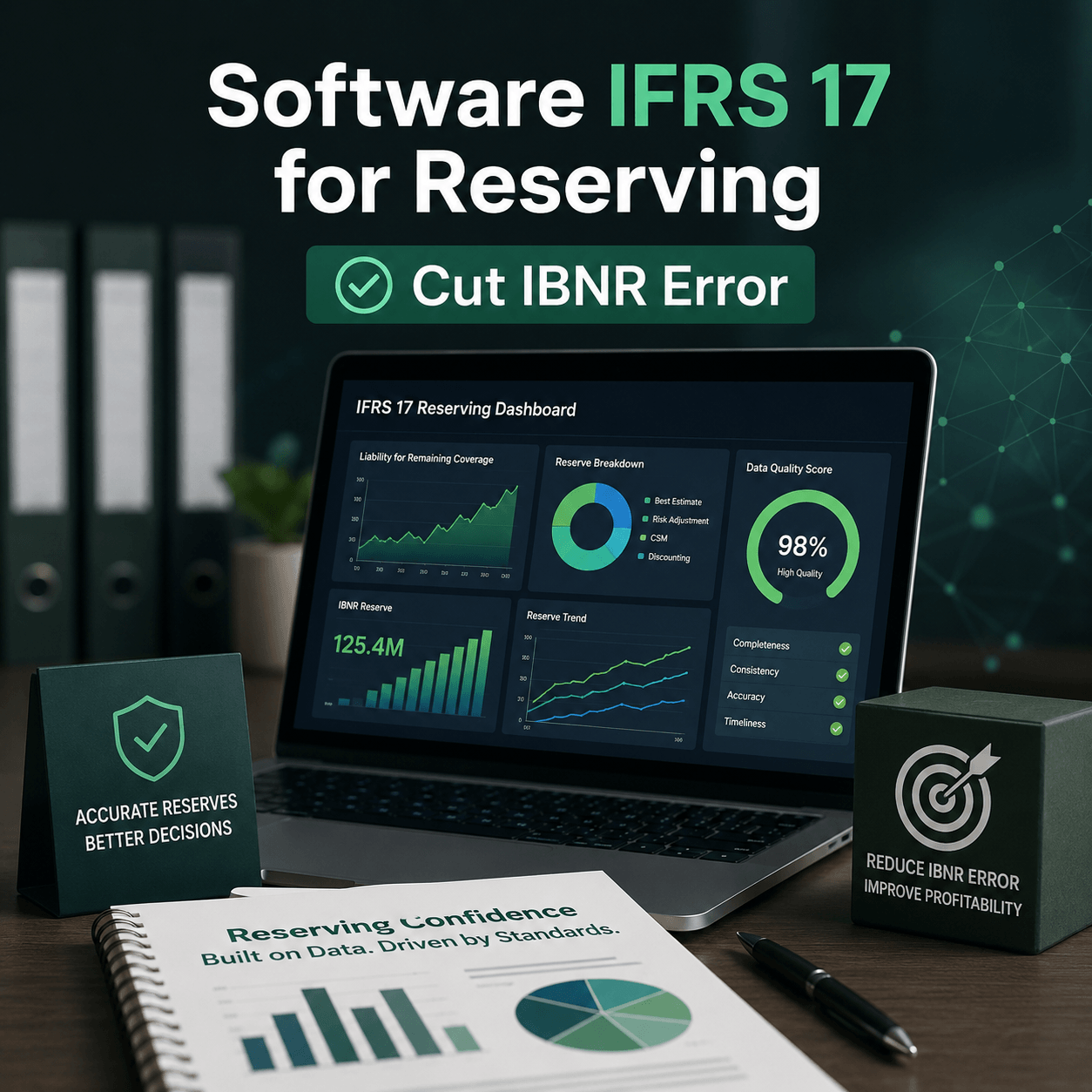
Start here. Ask the vendor: Which IFRS standards does the software support out of the box? IFRS 9 (financial instruments), IFRS 15 (revenue), IFRS 16 (leases), IFRS 17 (insurance contracts), IFRS 8 (segments), IFRS 13 (fair value)-the list goes on. Not all vendors handle every standard equally. Some excel at lease accounting but struggle with insurance contracts or complex derivatives.
Then ask about GAAP support. If you report under both IFRS and local GAAP (common for companies in emerging markets or those with local subsidiaries), the software must handle both. That includes local country variants like Indian GAAP, Brazilian GAAP, or SFFAS (if U.S. government accounting applies). One platform supporting multiple standards in a unified data model beats maintaining separate systems.
Red flag: Vendors who claim “full support” for every standard but give vague answers when you ask about specific modules (e.g., how they handle IFRS 17 liability adequacy testing or IFRS 16 reassessment triggers). Dig into product documentation.
How automated are the calculations and disclosure generation?
Manual disclosure drafting kills efficiency. Ask: Which calculations does the software automate? Journal entries, fair value revaluations, lease schedules, segment reporting, related party reconciliations, intercompany eliminations?
Then ask about disclosure assembly. Modern IFRS platforms should auto-populate notes based on the underlying data. For example, if your revenue module calculates contract assets and contract liabilities, the software should automatically pull those figures into the revenue note without manual copy-paste.
Get specific on what’s NOT automated. Some vendors automate 70 percent of calculations but leave 30 percent to manual input or formula-driven spreadsheets. That defeats the purpose. Ask for a demo focused on a complete month-end workflow, from data import to final disclosure output. Watch for steps where a team member has to leave the platform and go to Excel.
Can it integrate seamlessly with your existing ERP and finance systems?
This is often where deals fall apart in implementation. Ask: Does the platform have pre-built connectors for SAP, Oracle, NetSuite, or your ERP of choice? Or does it require custom API development?
API-first platforms are your friend. REST APIs with well-documented data contracts mean your ERP or other upstream systems can push clean data into the IFRS platform automatically. Batch uploads work, but they introduce risk-someone has to remember to upload the right file each month, validate it, and reconcile discrepancies.
Ask about data mapping. How does the software handle the translation between your ERP’s chart of accounts and IFRS dimensions? Can it support dimensions the ERP doesn’t track natively (like IFRS 8 segments, profit centers, or business units)?
Red flag: Long implementation timelines (more than 6-9 months) for integration. That usually means heavy customization is needed. You want a platform that’s built to integrate quickly.
Does it scale for multi-entity, multi-currency reporting?
If you consolidate dozens or hundreds of entities across multiple currencies and jurisdictions, this matters. Ask: Does the platform support group-level consolidation workflows? Can it handle intercompany transactions, eliminations, and minority interests out of the box?
Multi-currency is table stakes. Ask specifically: How does the platform handle currency conversion? Can it support spot rates, average rates, and historical rates within the same period? How does it manage translation adjustments (OCI or P&L)?
Then ask about local GAAP variations by entity. Some jurisdictions require local statutory reporting in addition to IFRS group consolidation. Can the software produce both outputs from one data set? Or do you need separate parallel processes?
Scalability question: If you acquire a new company, how fast can you add it to the system? Days or weeks?
How strong are the audit trails and internal controls?
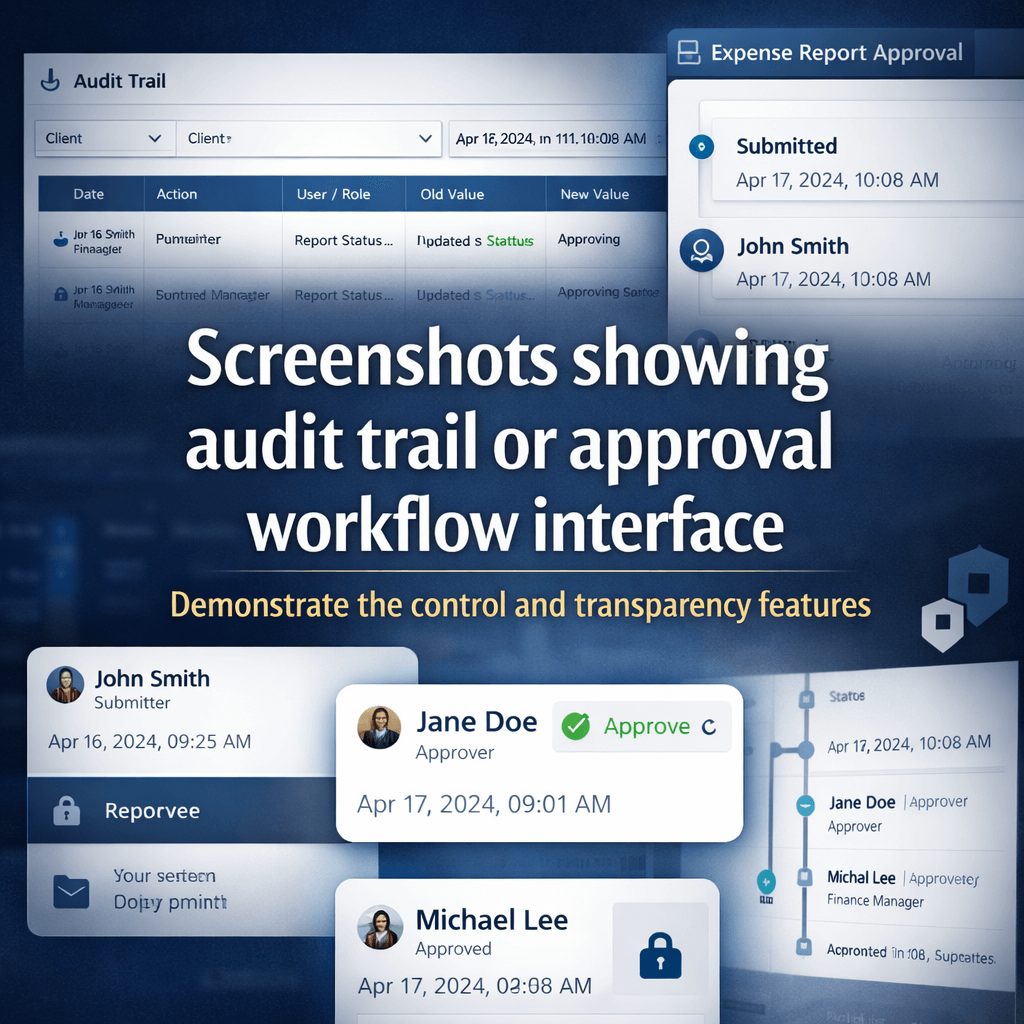
This is your most important question. Ask: What does the audit trail capture? Every change to every data element, or only final figures? Can auditors drill down to see who made a change, when, and why?
Then ask about approval workflows. Does the system enforce segregation of duties? For example, can the same person who enters data approve it? (The answer should be no.) Can you configure role-based access-preparer, reviewer, approver, sign-off authority?
Ask about version control. If you discover an error mid-month, can you revert to a previous version? How long are prior versions retained? This matters for audit purposes.
Regulatory scrutiny question: If a regulator asks “Show me every change made to the revenue note between October and January,” can the platform produce that in one query? If the vendor hesitates, move on.
What reporting and disclosure features are included?
Beyond calculations, does the platform produce polished, audit-ready reports? Ask: What output formats does it support? PDF, Excel, XBRL, eXtensible Business Reporting Language (XBRL) for e-filing with regulators?
Ask about disclosure templates. Does the platform come with pre-built IFRS disclosure templates that comply with current taxonomy standards? Can you customize them for your business?
Then ask about scenario reporting. Can you run “what-if” scenarios (e.g., impact of a potential acquisition or divestiture) within the same platform? Or do you have to rebuild in Excel?
Here’s a practical question: Can the software produce consolidated financial statements, subsidiary-level statements, and regulatory submissions (like SEC filings or local regulator filings) all from one data set?
How secure is your financial data management?
Security isn’t optional. Ask: Where does the platform store data? Cloud, on-premise, or hybrid? What encryption is used (at rest and in transit)? What’s the vendor’s disaster recovery plan and uptime SLA?
Uptime matters. Ask specifically: What’s the platform’s guaranteed uptime? Is it 99.5 percent, 99.9 percent, or 99.99 percent? If you’re running month-end close and the system goes down, that’s millions in lost productivity.
Ask about backup and recovery. How often are backups taken? How long does a full restore take? What if a month-end close fails partway through? Can you restore and restart without data loss?
Compliance question: Does the platform comply with relevant data protection standards? GDPR (if you have EU operations), SOC 2, ISO 27001? Get certifications in writing.
What implementation and ongoing support does the vendor provide?
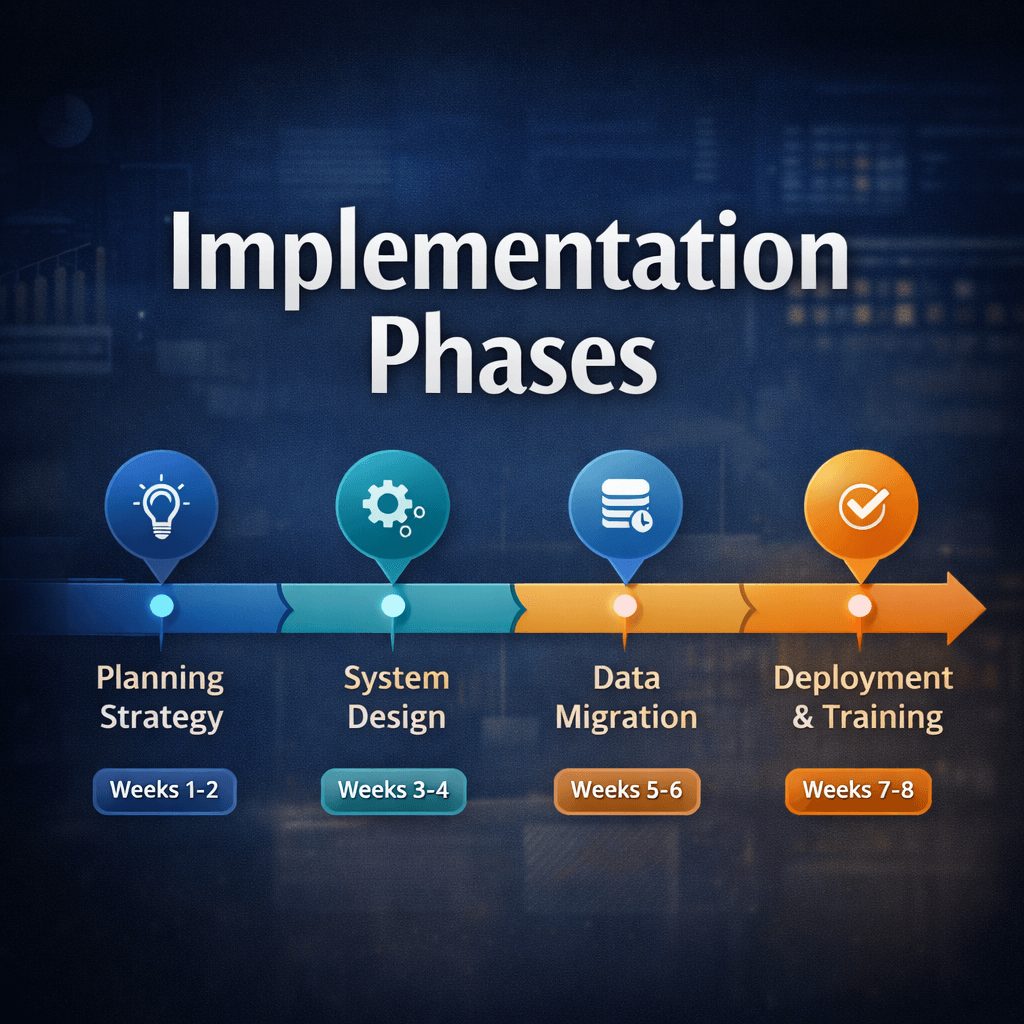
Implementation can make or break the project. Ask: Does the vendor offer implementation services, or do you need a third-party partner? How long is a typical implementation for a company your size? What’s included: data mapping, testing, training, cutover support?
Ask about the vendor’s support model. Is there 24/7 support, or business hours only? What’s the SLA for critical issues? (You want 2-4 hour response time for month-end emergencies.)
Training and change management: Does the vendor provide training materials, videos, or on-site training? For a large finance team, knowledge transfer is crucial. You don’t want your team dependent on a single vendor consultant.
Red flag: Vendors with long implementation timelines and high partner fees. That’s a sign the platform isn’t ready for your use case out of the box.
Can workflows be customized to match your financial close process?
Every organization’s month-end process is different. Ask: Can you configure workflows to match your approval hierarchy? For example: preparer submits, review manager reviews, controller approves, CFO signs off.
Ask about conditional logic. Can you set rules like “if variance exceeds $X, send to controller automatically”? Or “if a specific GL account changes, require explanation in the notes”?
Get specific about what’s NOT customizable. Some vendors let you customize high-level workflows but lock down the underlying data model. You can’t add a custom IFRS dimension or change how IFRS 16 calculations work, for example.
Then ask: How long do customizations take? Can they be done in weeks or do they require months of custom development?
What is the total cost and ROI outlook?
Price varies wildly. Cloud platforms often charge based on entities, users, data volume, or some combination. On-premise solutions have license fees plus infrastructure costs. Implementation can run 20-40 percent of the software cost.
Ask for a multi-year total cost of ownership (TCO). Get:
Software license fees (and what’s included in the base license vs. add-ons). Implementation fees and timeline. Annual support and maintenance costs. Infrastructure costs (if cloud). Training and knowledge transfer costs. Ongoing customization or enhancement fees.
Then ask about ROI. A typical IFRS platform saves 30-50 percent of month-end labor, reduces audit hours, and cuts regulatory risk. Ask the vendor: For a company your size, what’s the typical payback period? (Look for 12-18 months for mid-market, faster for large enterprises.)
Red flag: Vendors who won’t give a total price estimate. You need one.
Key Features to Look for in IFRS Financial Reporting Software System
Beyond the 10 questions, certain features separate premium platforms from mid-tier offerings.
Automated IFRS Calculations and Compliance
The best platforms go beyond basic accounting. They handle complex scenarios: fair value measurement (Level 1, 2, 3), lease reassessment (when contracts change), revenue recognition timing (5-step model automation), and impairment testing for goodwill and intangible assets.
Look for rules engines that encode IFRS logic. You configure once; the system applies the rules consistently across your entire organization. To learn more about how leading IFRS reporting software implements these capabilities, explore real-world applications and vendor comparisons.
Centralized Data Management
A single database serving both IFRS and local GAAP eliminates reconciliation risk. Data flows in once, validation happens once, and outputs branch out to different reporting standards. This requires a sophisticated data model-not just a schema that mirrors a general ledger.
Ask whether the platform uses a single unified database or a hub-and-spoke architecture with APIs between modules. Single database is preferable for consistency, though API-based designs can work if the data contracts are tight.
Disclosure and Reporting Tools
The software should produce publication-ready disclosures without human formatting. Auto-numbered notes, consistent cross-referencing, XBRL tagging for regulator filing-these save hours and reduce errors.
Look for templating systems that let you define disclosure layouts once and apply them to all entities. Conditional disclosure (show this note only if the balance is material) is a nice-to-have.
Integration and Interoperability
Tight integration with ERP, consolidation tools, and specialty modules (revenue, lease, treasury) is non-negotiable. API-first architecture is your signal that the vendor built for integration, not isolation.
Ask about the data dictionary. Can you map ERP fields to IFRS dimensions without custom code? The answer tells you how much customization you’ll need.
Security and Governance Controls
Role-based access, segregation of duties, audit trail completeness, and encryption are baseline. Look for platforms that integrate with your identity management system (Active Directory, SSO) and offer multi-factor authentication.
Governance tools like approval workflows, change logs, and regulatory compliance reporting (for auditors) add maturity. These reduce risk and streamline audit season.
Common Challenges Without IFRS Software
To understand why IFRS software matters, consider what happens without it.
Manual spreadsheet processes create audit risk. Spreadsheets break formulas, lose version history, and make it impossible to trace changes. Auditors hate this.
Multiple systems (one for IFRS, one for local GAAP) mean parallel processes. Data entry happens twice, reconciliation takes weeks, and errors compound.
Scalability fails at consolidation. Adding a new entity or acquisition to a spreadsheet-based process adds weeks of work, not days.
Month-end closures stretch longer than needed. Without automation, every number is touched manually. Your finance team becomes a data entry operation instead of a business partner.
Regulatory risk climbs. Regulators want audit trails and controls. Spreadsheets give you neither. That opens you to challenge.
Cloud vs On-Premise IFRS Reporting Solutions
Cloud platforms dominate the market now, and for good reason.
Advantages: Faster deployment, automatic updates, lower upfront infrastructure cost, built-in disaster recovery, and vendor-managed security.
Considerations: Data residency (where your data physically lives matters for GDPR and local regulations), internet dependency (outages affect you), and vendor lock-in (switching costs are high).
On-premise advantages: Complete control, no data residency concerns, and ability to run custom infrastructure.
On-premise considerations: You own the hardware, patches, and upgrades. That’s expensive and time-consuming.
Hybrid approaches exist-where you host in your own data center but the software runs on a standard architecture. These are rare and expensive, but they’re an option if you have strict data sovereignty requirements.
For most organizations, cloud is the right answer. Look for vendors with multi-region data centers and high-availability architecture. Prima Consulting can help you evaluate cloud deployment models and assess which approach aligns with your regulatory and operational requirements.
How to Evaluate IFRS Software Vendors
When you’re comparing platforms, go deeper than demos.
First, talk to references. Ask: How long was your implementation? Did it stay on budget and timeline? What did you wish you’d known before buying? How responsive is support during month-end?
Second, run a proof of concept. Give vendors a sample of your data and ask them to produce a complete month-end close in their sandbox environment. See how they handle edge cases in your business.
Third, check the vendor’s roadmap. Are they actively developing new IFRS features? Are they responding to accounting standard changes? A vendor that hasn’t updated their platform in 18 months is a red flag.
Fourth, understand vendor stability. How long have they been in business? What’s their customer base and revenue size? Small vendors are sometimes hungry and aggressive, but they also fail. You need a partner with staying power.
Fifth, get proof of regulatory acceptance. Ask: Are your disclosures accepted by regulators and auditors? Can you point to companies filing with regulators using your platform?
Implementation Best Practices for IFRS Software
Successful implementations follow a pattern.
Start with a clear business case. Define what “done” looks like. Month-end closes X days faster? Audit preparation Y days shorter? Fewer month-end adjustments?
Get executive sponsorship. Finance leaders need to be all-in. This isn’t an IT project; it’s a business transformation.
Plan for change management. Your team will resist. They’ve built expertise in the old system. Create training plans, reassure people about job security (automation makes them more strategic, not redundant), and celebrate wins.
Start narrow, then expand. Implement with one subsidiary or department first. Get the playbook working. Then scale to the rest of the organization.
Freeze your master data during cutover. GL accounts, cost centers, entities, dimensions-lock these down before you migrate. Adding new ones mid-stream breaks everything.
Test month-end close multiple times before going live. You want to hit go-live feeling confident, not nervous.
Benefits of Using IFRS Financial Reporting Software System
The best outcomes come from organizations that fully commit to the platform.
Month-end close time drops 25-50 percent. Your team stops compiling data and starts analyzing it.
Audit fees decline. Auditors spend less time recreating your work, so they bill you less.
Regulatory risk drops. Clear audit trails and controls give regulators confidence.
Your team gets smarter. With automation handling routine work, your people focus on complex accounting questions, not data entry.
You’re positioned for growth. Adding a new entity or business unit takes days, not months.
IFRS Reporting Software System FAQs

What does IFRS reporting software automate?
End-to-end month-end processes. From data collection (pulling GL balances, subsidiary schedules, and transaction details from upstream systems) through consolidation, journal entry generation, fair value calculations, and final disclosure drafting.
How does IFRS software improve compliance?
It enforces approval workflows, logs every change, and produces audit-ready outputs. When a regulator asks “who changed this figure and when?”, you have the answer in seconds. That changes the conversation.
Is IFRS reporting software suitable for SMEs?
Yes, but with caveats. If you’re a small company with simple reporting, you might not need dedicated IFRS software. A mid-sized company with multiple entities, complex transactions, or regulatory scrutiny benefits significantly. Price is lower now than it was five years ago. Evaluate based on your complexity and audit burden, not company size alone.
How long does implementation take?
Typically 6-12 months for a mid-market organization with 10-20 entities and moderate complexity. Larger, more complex implementations can stretch to 18 months. Fast implementations (3-4 months) exist but usually involve sacrificing customization or training.
What standards should the software support?
At minimum, IFRS 1-9, 15, 16, and any local GAAP standards your organization reports under. If you have insurance operations, add IFRS 17. If you have complex segments, IFRS 8 depth matters. Rarely do you need every standard with equal depth, but you need clear understanding of what the vendor truly supports vs. claims to support.
Conclusion
Choosing IFRS financial reporting software system is an investment in accuracy, compliance, and efficiency. The 10 questions in this guide-from multi-standard support through total cost of ownership-are your framework for separating capable platforms from ones that will disappoint at implementation time.
Focus on platforms that automate real complexity, integrate tightly with your existing systems, and give you audit-ready trails. Then talk to customers who match your situation, run a proof of concept, and make your decision based on evidence, not slides.
Prima Consulting’s team brings decades of experience in financial reporting transformation. We understand IFRS complexity and vendor selection. If you’re evaluating platforms or planning an implementation, our IFRS reporting software guides and consulting services at Prima Consulting can accelerate your decision-making process.