TL;DR
An IFRS 16 reporting platform automates lease accounting calculations while maintaining complete audit trails for regulatory defense. When lease terms change, the right system recalculates liabilities instantly and documents every modification with user identification and timestamps. This review examines how enterprise lease accounting platforms handle real-time changes, track contract modifications, and generate audit-ready disclosures automatically. Organizations moving beyond spreadsheets gain measurable improvements in month-end close speed and calculation accuracy. Learn what platform capabilities matter most when evaluating IFRS 16 solutions for your enterprise.
IFRS 16 Reporting Platform Review: Real-Time Changes & Audit Trails
Global lease accounting software markets will reach USD 642.58 million in 2025. Organizations managing complex lease portfolios face critical decisions when selecting an IFRS 16 reporting platform. The right system processes real-time modifications and maintains complete audit trails. The wrong choice leads to calculation errors, disclosure gaps, and extended month-end close timelines.
This review focuses on systemic handling of complex lease events. That means examining how platforms calculate remeasurements, track modification history, and document every change for audit defense. Finance teams need systems that respond instantly when lease terms change.
What is an IFRS 16 reporting platform?
An IFRS 16 reporting platform automates lease accounting calculations and disclosure generation. These systems track right-of-use assets and lease liabilities from initial recognition through contract termination. On another note, the platform applies the effective interest method for liability calculations. It calculates straight-line depreciation for asset values.
Best IFRS 16 software vendors build platforms that handle multiple lease types. Property leases, equipment leases, and vehicle fleets all process through unified calculation engines. The system maintains separate tracking for each contract while consolidating portfolio-level reporting.
Enterprise lease accounting platforms support multi-entity organizations with different functional currencies. Each subsidiary records contracts in local currency. Then the platform translates values for consolidated reporting using appropriate exchange rates.
Enterprise lease accounting platforms support multi-entity organizations with different functional currencies. Each subsidiary records contracts in local currency. Then the platform translates values for consolidated reporting using appropriate exchange rates.
Understanding proper IFRS 16 software classification capabilities helps organizations select systems that handle both finance leases and operating lease treatments under the new standard.
Why real-time lease modifications matter under IFRS 16
Over 50% of Chartered Accountants reported moderate to very significant impact from adopting IFRS 16 in a 2024 survey. Lease terms change frequently after initial recognition. Rent reductions, space expansions, and term extensions all trigger remeasurement requirements. The standard demands recalculation of lease liabilities using revised discount rates.
How IFRS 16 lease changes affect measurement and disclosure
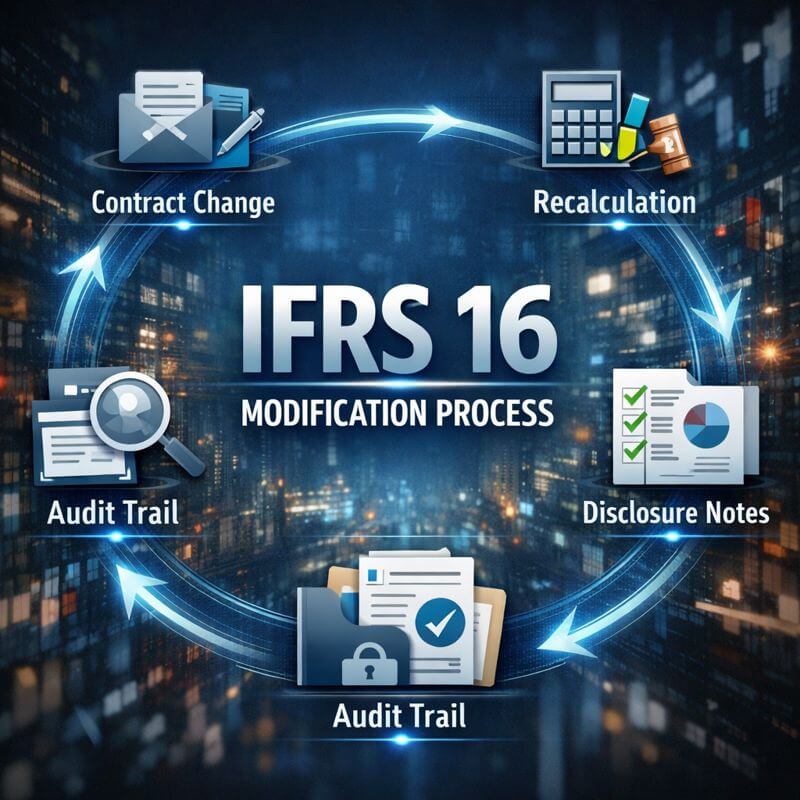
When a lease changes, organizations recalculate the lease liability as the present value of revised future payments. The modification may require adjusting the right-of-use asset upward or downward. Some changes get treated as separate leases requiring new right-of-use assets. Finance teams need to distinguish between modification types and apply appropriate accounting treatment.
Disclosure notes must explain the nature and financial effect of significant modifications. Auditors review modification calculations to verify compliance with IFRS 16 lease modification accounting requirements. Systems without proper modification tracking create audit findings.
Real-time recalculation of lease liabilities and ROU assets
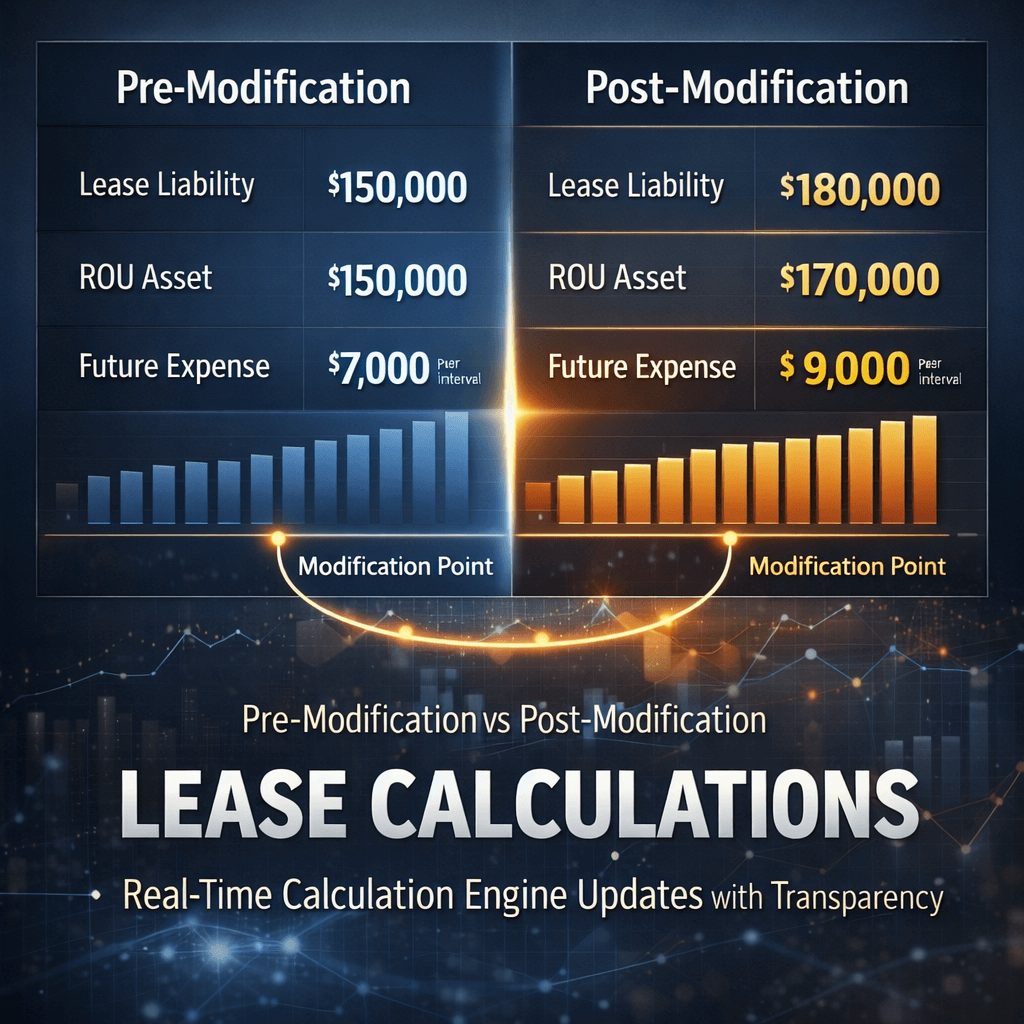
Real-time lease modification calculation software processes changes immediately when terms adjust. The platform recalculates all future lease liability balances using the new payment schedule. It applies the revised discount rate across remaining periods.
Right-of-use assets adjust based on modification nature. Partial terminations reduce the asset proportionately. Extensions with additional consideration increase the asset by the present value of incremental payments. The system updates depreciation schedules automatically to reflect modified carrying amounts.
How audit trails support IFRS 16 compliance
Audit trails document every action taken in the lease reporting platform. Each modification, payment application, and remeasurement gets recorded with user identification and timestamp. That said, auditors trace calculations from source documents through final disclosures using these trails.
Version control and change history in IFRS 16 systems
Version control maintains complete history of contract terms throughout the lease lifecycle. Organizations see what the contract looked like on any historical date. The system stores original terms, all subsequent amendments, and the calculation methodology applied at each point.
Change logs show who made modifications and when they occurred. Finance teams review the sequence of events leading to current balances. Auditors verify that appropriate authorization existed for material changes.
Role-based access and approval workflows
Role-based permissions control who can modify lease data. Junior accountants may enter contracts but need approval before calculations run. Controllers review high-value modifications before the system processes remeasurements.
Approval workflows route proposed changes to appropriate personnel. Multi-level authorization applies to contracts exceeding certain thresholds. IFRS 16 advisory services help organizations design control frameworks that balance efficiency with governance requirements.
IFRS 16 disclosures auditors review most
Auditors focus on maturity analysis showing future payment obligations by period. They verify the reconciliation of opening to closing lease liability balances. Modifications during the period require explanation including nature, financial effect, and accounting treatment applied.
Expense analysis breaks down depreciation and interest components. Auditors test these amounts to supporting schedules. Variable lease payments not included in the liability measurement need separate disclosure with explanation of variability drivers.
Key IFRS 16 compliance requirements software must cover
Discount rate application determines initial and subsequent lease liability measurements. Organizations use the interest rate implicit in the lease when readily determinable. Otherwise, the incremental borrowing rate applies. IFRS 16 solution evaluation criteria must include flexible rate management across different lease types.
Initial direct costs get capitalized as part of the right-of-use asset. The system tracks these costs separately and includes them in the asset balance. Depreciation applies to the combined amount of lease liability plus initial direct costs.
Short-term and low-value lease exemptions require separate tracking. Organizations choosing these practical expedients expense payments as incurred. The platform identifies qualifying leases and routes them to appropriate accounting treatment.
Who needs IFRS 16 lease accounting software?
Global enterprises managing thousands of leases across multiple countries need IFRS 16 software for global enterprises with multi-currency and multi-entity capabilities. Real estate companies with complex property portfolios benefit from systems handling variable payments tied to sales or indices.
Retailers with hundreds of store locations require enterprise lease accounting platforms that process high-volume contract counts without performance degradation. Manufacturing firms leasing equipment and facilities need systems tracking different asset classes with separate depreciation methods.
Financial services organizations face regulatory scrutiny requiring audit-ready documentation. Healthcare providers managing diverse lease types from medical equipment to building space need flexible platform configurations.
How IFRS 16 software handles contract modifications
IFRS 16 software with full audit trail capabilities maintains immutable records of all contract changes. When rent reduces, the system recalculates the lease liability using the current discount rate. It adjusts the right-of-use asset downward by the difference between the old and new liability amounts.
Space expansions may constitute separate leases if they grant additional right-of-use not included in the original contract. The platform identifies these situations based on configuration rules. It creates new right-of-use assets for qualifying expansions while maintaining existing asset tracking for unchanged portions.
Term extensions recalculate lease liability using revised payment streams extending through new end dates. The difference between the recalculated liability and previous carrying amount adjusts the right-of-use asset. All future depreciation calculations update to reflect the new asset base and lease term.
What makes an IFRS 16 reporting platform audit-ready?
Audit-ready platforms generate complete disclosure notes with one button click. Maturity analysis, liability reconciliations, and expense breakdowns populate automatically from underlying lease data. The system formats output to match standard disclosure presentation.
Integration with ERP and general ledger systems
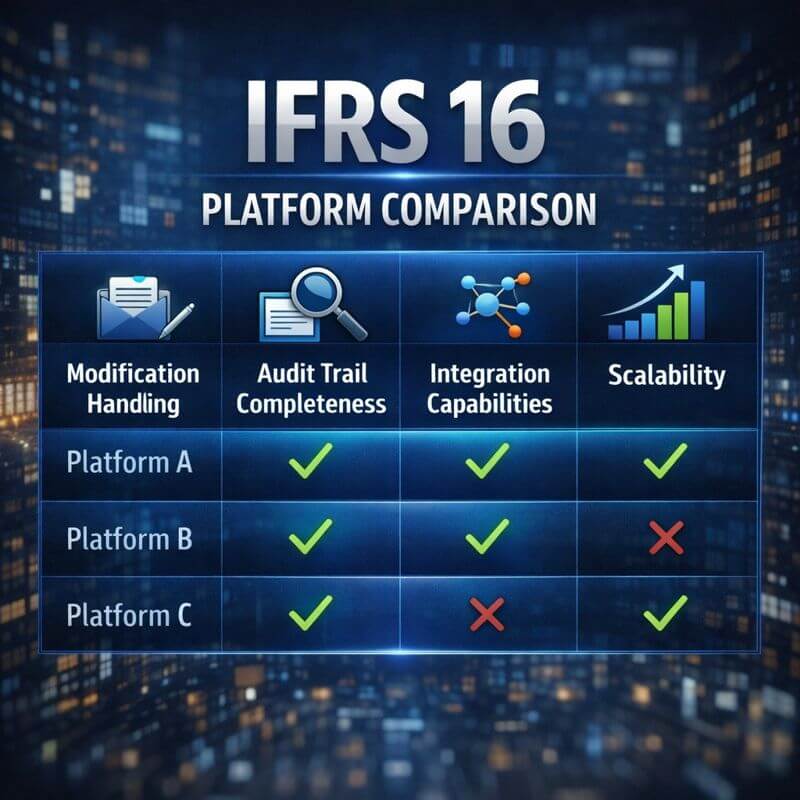
Integration capabilities determine how efficiently lease data flows to financial reporting systems. Best IFRS 16 software vendors support standard file formats and API connections. Journal entries export directly to general ledgers without manual reformatting.
Organizations using SAP benefit from platforms connecting to their SAP IFRS 16 module. NetSuite users need systems that export to NetSuite IFRS 16 accounting formats. Workday environments require compatible data structures for smooth integration.
Data validation and error prevention controls
Built-in validation rules prevent common data entry errors. The system flags contracts with commencement dates after end dates. It identifies negative payment amounts and missing discount rates before calculations run.
Cross-field validation ensures logical consistency across contract terms. Variable payment formulas get tested with sample calculations before processing entire portfolios. Error messages provide specific guidance on what needs correction.
Scalability for multi-entity and multi-currency leases
Scalability testing matters when evaluating platforms for growing organizations. Systems handling ten contracts may struggle with thousands. Performance benchmarks should demonstrate calculation speed across different portfolio sizes.
Multi-currency functionality maintains contracts in original currency while translating for consolidated reporting. The platform applies appropriate spot rates and tracks translation adjustments separately from operational changes.
Security, controls, and compliance readiness
ISO 27001 certification demonstrates adherence to information security management standards. Bank-level encryption protects sensitive financial data during transmission and storage. Regular penetration testing verifies defense against unauthorized access attempts.
Backup procedures maintain multiple recovery points. Geographic redundancy ensures data availability even if primary systems fail. Disaster recovery testing validates restoration capabilities under various failure scenarios.
Best practices for selecting an IFRS 16 reporting platform
Vendor demonstrations should include processing actual lease modifications from your portfolio. Watch how the system recalculates liabilities when payment terms change. Verify that modification history remains accessible and complete.
Request sample audit trail reports showing user actions, timestamps, and data changes. Review the level of detail captured. An IFRS 16 selection checklist should verify that all critical events get logged with sufficient information for audit defense.
Test multi-currency scenarios if your organization operates internationally. Input contracts in various currencies and confirm translation accuracy. Verify that foreign exchange gains and losses calculate correctly.
Evaluate reporting flexibility by requesting custom disclosure formats. The platform should adapt output to match your specific presentation requirements. Standard reports rarely meet all organizational needs without customization capability.
Review implementation timelines and resource requirements. Understand data migration processes and quality control procedures. Ask about typical challenges encountered during deployment and how the vendor addresses them.
Common challenges with manual IFRS 16 reporting
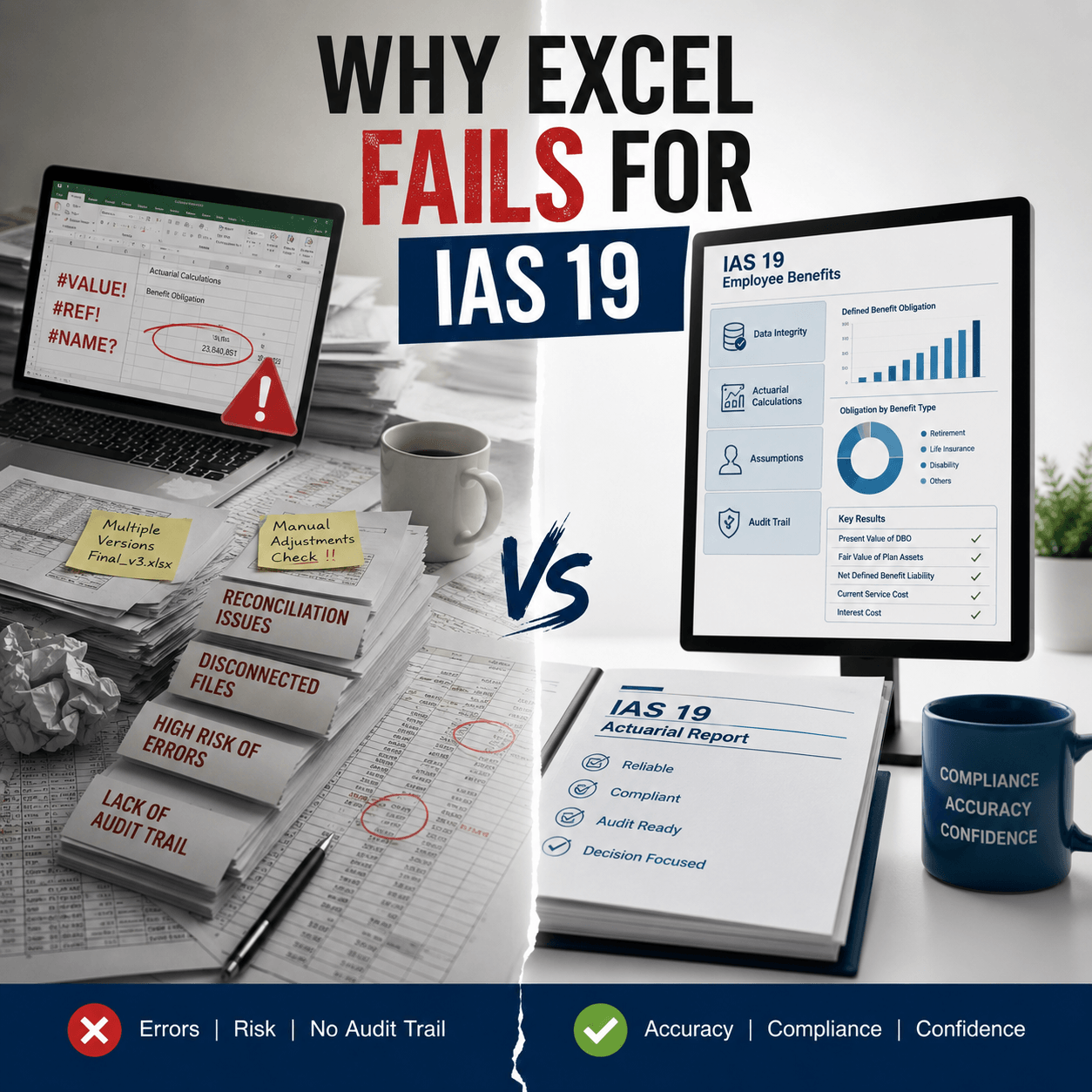
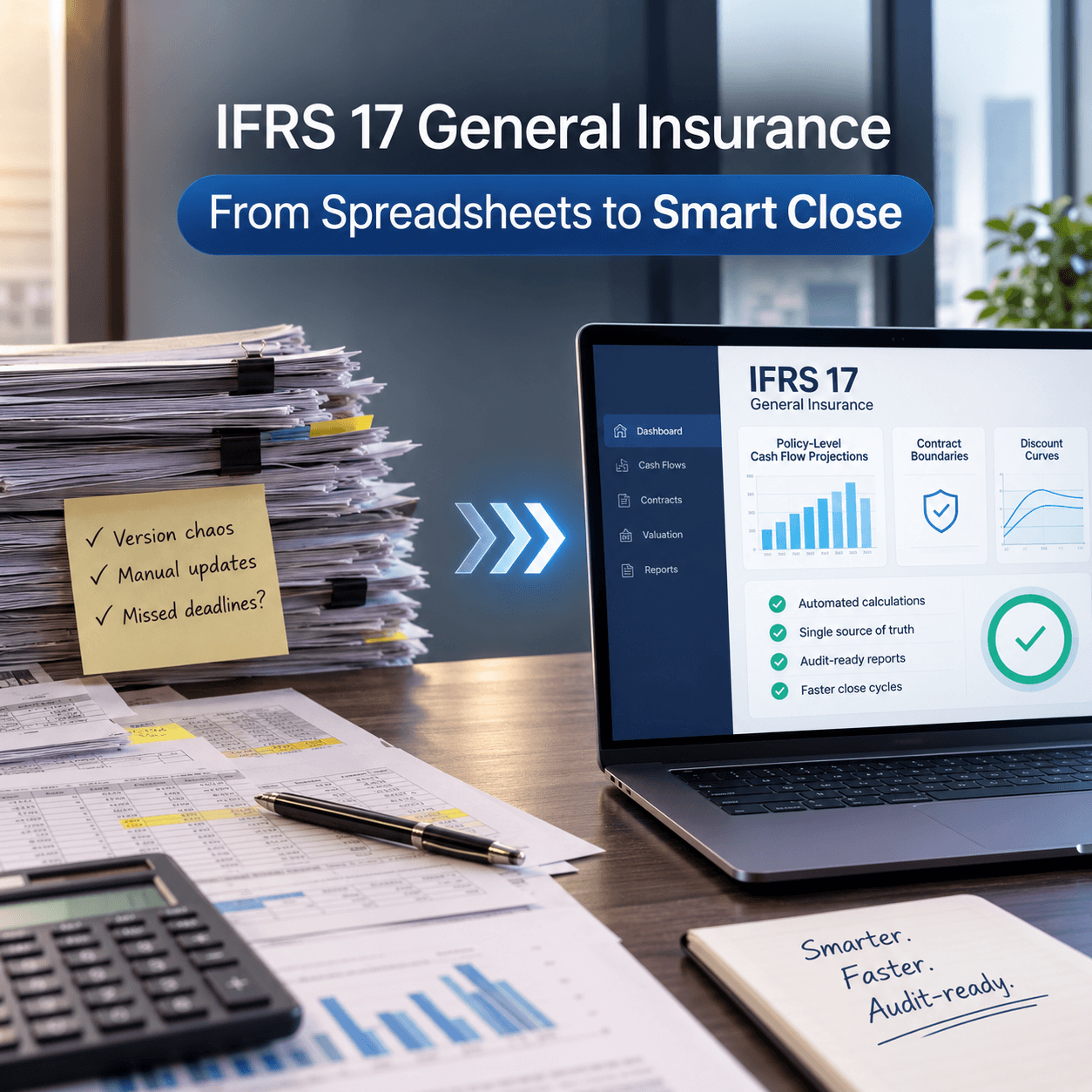
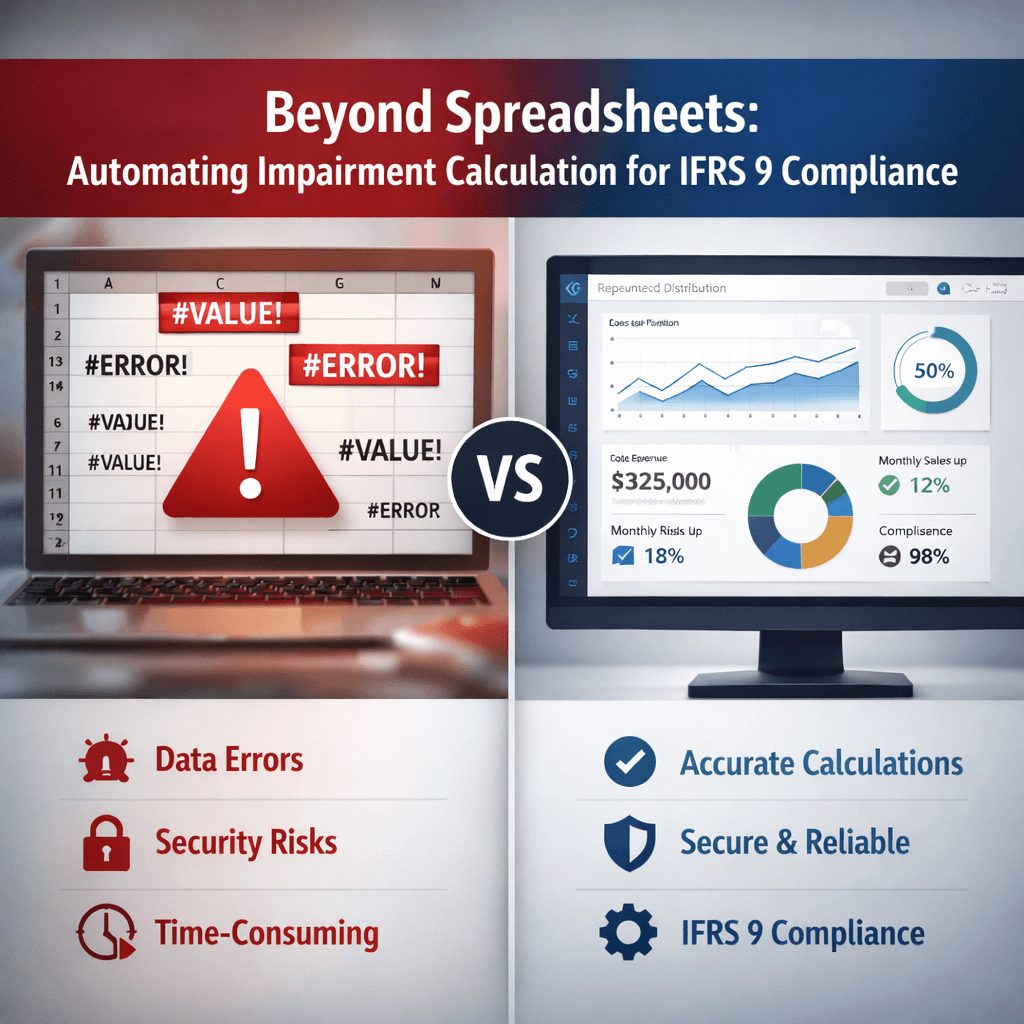
Spreadsheet-based approaches break down when portfolios exceed a few dozen contracts. Formula errors propagate across linked workbooks. Version control fails when multiple team members work on different copies of the same file.
Manual modification tracking requires rebuilding calculation schedules from scratch. That creates opportunities for mistakes when transferring data between old and new models. Finance teams spend days reconciling differences between versions.
Audit trails in spreadsheets depend on file properties and change tracking features. These provide insufficient detail for complex audit requirements. Auditors cannot verify the sequence of events leading to final balances with confidence.
Disclosure note preparation demands cutting and pasting values from multiple worksheets. Formatting inconsistencies appear across different disclosure sections. The process takes hours during already compressed month-end close windows.
ROU 360: Enterprise IFRS 16 Solution for Finance Teams
ROU 360 provides complete automation from initial recognition through disclosure reporting. The enterprise IFRS 16 solution for finance teams processes right-of-use asset calculations, lease liability calculations, modifications, remeasurements, depreciation, interest expense, and all required disclosures.
Organizations using ROU 360 experience measurable improvements. Month-end close processes accelerate by multiple days. One mid-market manufacturer reduced close from 12 days to 7 days after implementation. Calculation errors requiring correction drop substantially when automated engines replace manual spreadsheets.
The platform handles complex scenarios including sale-leaseback arrangements, embedded leases within service contracts, and variable payment structures. Multi-entity consolidation works seamlessly across different functional currencies. Finance teams manage global operations from a single platform with complete visibility.
ROU 360 maintains ISO 27001 certification with bank-level encryption protecting sensitive financial data. Role-based access controls ensure appropriate visibility across organizations. Complete audit trails document every calculation and change with user identification and timestamps.
Implementation includes data migration, user training, and configuration. Most deployments complete within weeks through structured approaches validating accuracy before going live. Support teams understand both the platform and lease accounting principles. Organizations stay current with accounting standards automatically as the platform updates reflect IASB amendments.
Visit IFRS 16 Lease Accounting Software to learn how ROU 360 transforms lease accounting processes for finance teams worldwide.
IFRS 16 software FAQs for finance and audit teams
What distinguishes an IFRS 16 reporting platform from spreadsheet tools?
Platforms automate calculations that spreadsheets require manual formula creation. The system applies IFRS 16 requirements consistently across all contracts. Built-in validation prevents common errors. Audit trails track every change automatically without relying on file properties.
How do platforms handle complex modification scenarios?
Real-time lease modification calculation software recalculates liabilities using revised payment schedules and appropriate discount rates. The system adjusts right-of-use assets based on modification type. All future period calculations update automatically. Complete documentation history maintains records of what changed and when.
What audit trail details matter most to external auditors?
Auditors need complete visibility into calculation methodologies. They verify who entered or modified data and when changes occurred. Version history shows contract terms at any point in time. Supporting documentation links to source contracts and authorization approvals.
Can organizations customize disclosure note formats?
Quality platforms support output customization matching specific presentation requirements. Organizations configure disclosure structures, data groupings, and formatting preferences. The system generates notes in formats compatible with reporting packages without manual reformatting.
How does multi-currency functionality work in practice?
Platforms maintain lease contracts in original currencies. Translation to presentation currency uses appropriate exchange rates. The system tracks foreign exchange impacts separately from operational changes. Remeasurement requirements get handled automatically when payment currencies differ from functional currencies.
What integration capabilities should finance teams require?
Standard file export formats ensure compatibility with existing general ledgers. API connections enable automated data flows for organizations requiring real-time synchronization. Journal entry formats should match target systems without requiring manual adjustment. IFRS 16 Lease Accounting Basics explains fundamental requirements that integration designs must support.
How quickly can platforms process large portfolio modifications?
Performance depends on system architecture and portfolio complexity. Cloud-based platforms with distributed processing handle thousands of contracts simultaneously. Calculation times should remain under minutes even for substantial portfolios. Organizations should test performance with production-scale data volumes during evaluation.
What training resources help teams maximize platform value?
Comprehensive training covers basic navigation through advanced scenario modeling. Live sessions address organization-specific workflows. Recorded videos provide reference materials for common tasks. Written documentation explains configuration options and troubleshooting procedures.
How do platforms stay current with accounting standard changes?
Vendors monitor IASB pronouncements and interpretations committee guidance. Platform updates incorporate new requirements without organizations rebuilding their lease accounting infrastructure. Users receive notifications explaining changes and implementation timelines.
What security certifications validate platform reliability?
ISO 27001 certification demonstrates adherence to information security management standards. SOC 2 Type II reports verify operational controls. Penetration testing results confirm defense against unauthorized access. Organizations should review security documentation before committing to platforms.
Transform lease accounting with the right platform
Selecting an IFRS 16 reporting platform requires evaluating how systems handle real-world complexity. Platforms must process modifications instantly when lease terms change. Complete audit trails document every calculation for regulatory defense. Integration capabilities determine how efficiently data flows to financial reporting systems.
Best IFRS 16 software vendors build platforms combining calculation power with accessible design. They support enterprise lease accounting platforms that scale from hundreds to thousands of contracts. Multi-currency and multi-entity capabilities serve global organizations managing diverse portfolios.
Organizations implementing proper IFRS 16 system for global enterprises solutions report measurable improvements. Month-end close timelines compress when automation replaces manual calculations. Audit outcomes strengthen as platforms generate complete documentation and disclosure notes automatically.
The right platform transforms lease accounting from reactive, error-prone processes to proactive financial management. Finance teams reallocate time from manual calculations to strategic analysis. They provide better insights to management with real-time portfolio visibility.
Prima Consulting helps organizations evaluate and implement lease accounting solutions aligned with operational requirements. Our advisors understand both accounting standards and system capabilities. We guide clients through vendor selection, implementation planning, and ongoing optimization.
Contact Prima Consulting at to discuss your lease accounting technology requirements. Our team assesses current processes, identifies improvement opportunities, and recommends platforms matching your organizational needs. We support implementations ensuring systems deliver expected benefits from day one.